How a Casual Lunch Deal Turned Into a Complex Building Rescue
“We accidentally bought the building.”
That’s how developer and builder Glen Winney at Win Projects describes the beginning of what became one of Hervey Bay’s most ambitious and complex building rescues. It started, he says, over lunch.
Winney was meeting with boat club figures when the conversation turned to the old Sporties building at 8 Pier Street, Urangan; a landmark many locals would remember as One Stop, Twisties Nightclub or, in later years, Sporties Club.
The upstairs had fallen quiet after COVID. The building was ageing. The future was uncertain. Then came the offhand comment.
“I’ll buy it,” Winney joked.
By the end of lunch, it was no longer a joke.
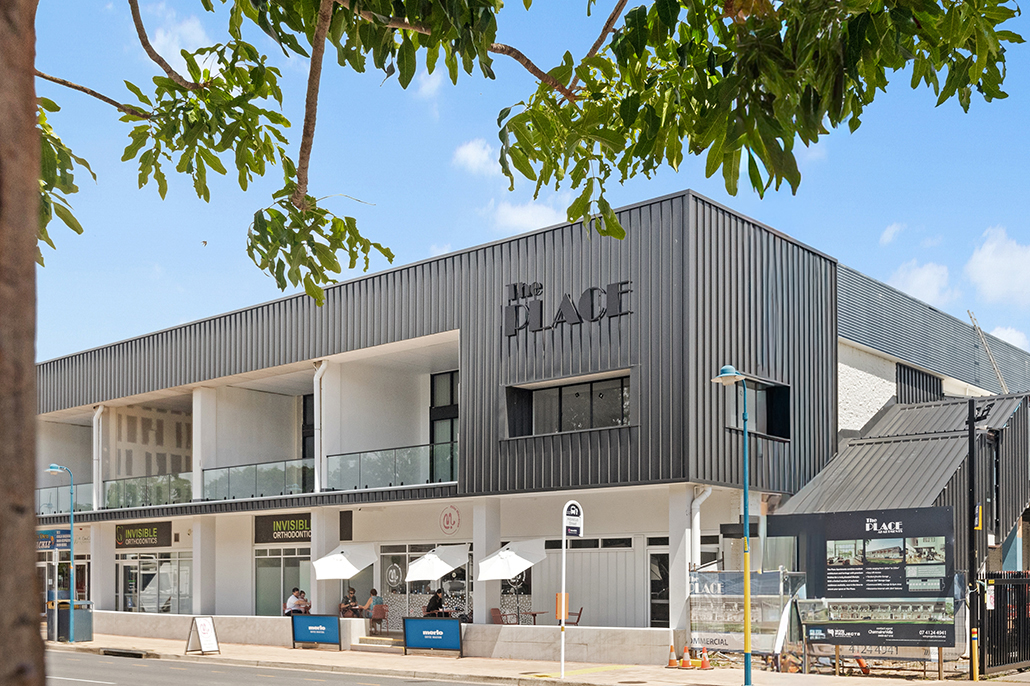
What followed was a years-long journey to transform the 50-year-old complex into what reopened last week as The Place, a mixed-use precinct with commercial businesses below and nine warehouse-style apartments above.
But as Winney quickly discovered, saving an old building is rarely as simple as it looks.
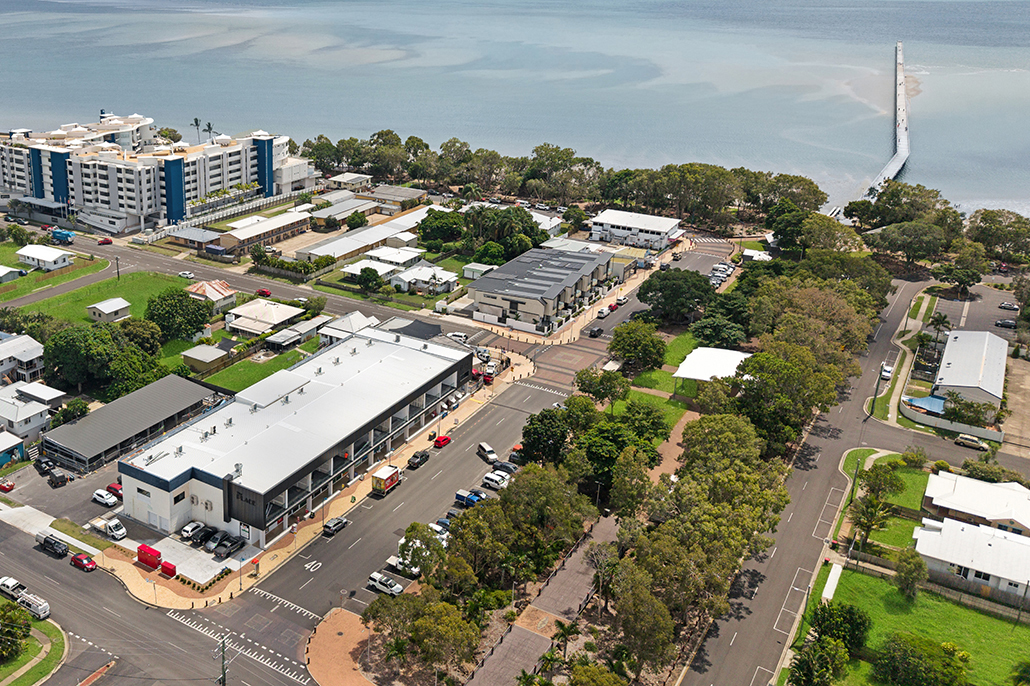
The Place occupies one of Hervey Bay’s most significant locations, just metres from Urangan Pier and the Esplanade.
Why Demolition Would Have Been Easier
For many developers, knocking down the old building would have been the obvious option. Faster. Cleaner. More predictable.
But Winney says that was never really the point.
“It’s easy for a developer or builder to just rip it down and build something new and shiny,” he said.
Instead, he wanted to keep something that mattered to the area.
The Place Urangan had lived many lives. Before the current structure, the site was home to Stevenson’s Grocery and a local bakery. Later, it became One Stop, a practical shopping hub for Urangan locals.
Upstairs, it hosted weddings, birthdays and community events before transforming into Twisties Nightclub during Hervey Bay’s nightlife boom, then later Sporties Club.
For many locals, it wasn’t just a building. It was part of growing up. Winney saw value in that. But preserving history came at a cost.
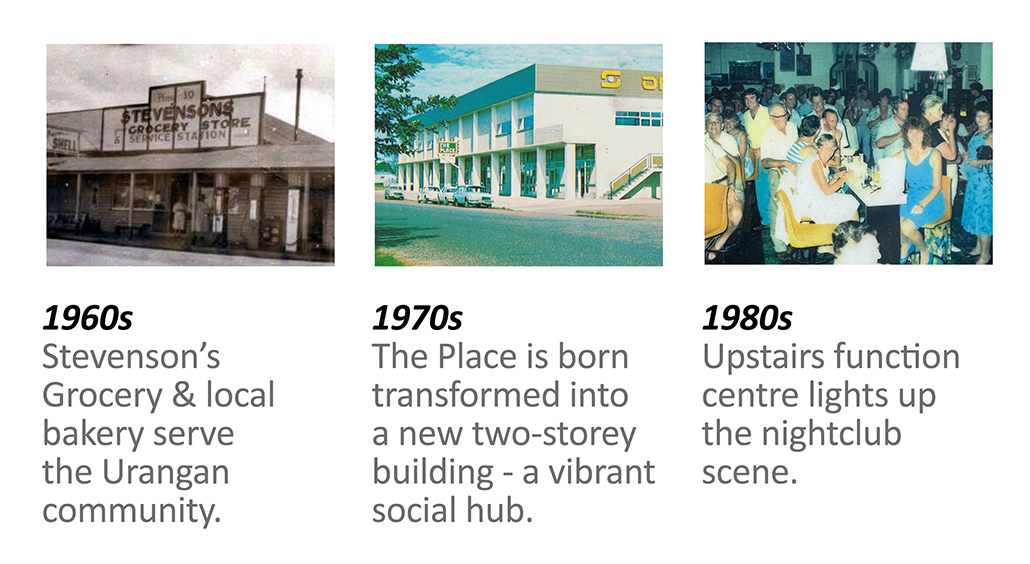
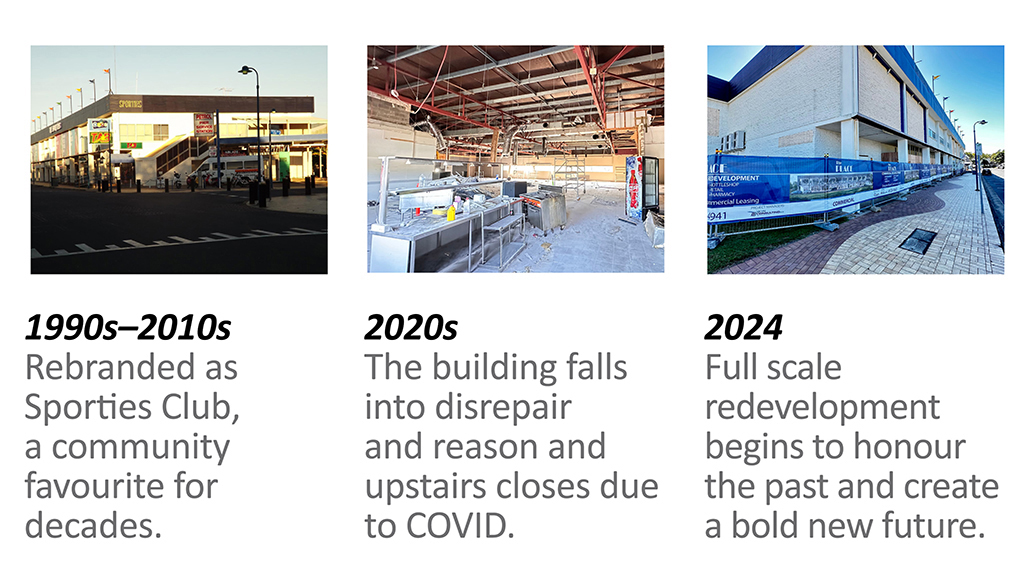
The building’s evolution from Sporties Club through closure and eventual redevelopment.
The Hidden Problems Under the Floor
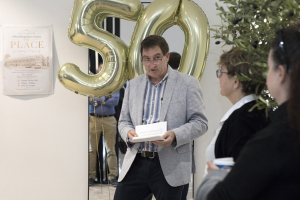
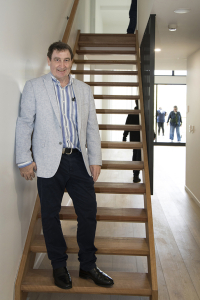
Developer Glen Winney speaking during the official reopening of The Place.
Once work began, the real surprises started. And they kept coming.
First came the stormwater. Workers discovered major stormwater infrastructure running directly beneath the building, forcing a complete redesign of drainage through the car park and surrounding areas.
Then came the electrical mains. The main power supply, Winney discovered, ran underneath the neighbouring building, a major complication that stalled upgrades and triggered a long process with Ergon to reroute power and install new infrastructure.
Then there was water. The original supply lacked enough pressure to meet modern fire requirements. That meant rerouting mains, digging beneath concrete and installing a major pump system.
Each discovery pushed the project further away from a cosmetic renovation and deeper into what Winney describes as a full-scale rebuild.
“It was honestly challenges day in, day out,” he said.
And that was before they even tackled the biggest hurdle.
Nine Apartments, Nine Fire Compartments
The upstairs space once operated as one enormous commercial function and entertainment zone; about 1,500 square metres in total. Converting that into nine apartments meant rethinking everything. Especially fire compliance.
Under modern regulations, each apartment needed to become its own fire compartment, a huge challenge inside an older building designed for open, communal use.
“Everybody from the fire department right through said, ‘No, you can’t do it,’” Winney said.
The solution required specialist fire engineers from Brisbane, steel reinforcements beneath trusses, new fire walls, vermiculite fire-proofing sprayed across structural braces, and complex separation between hallways and units.
It wasn’t glamorous work. But it was essential. And it changed the entire internal logic of the building. What was once one giant social space became nine distinct homes.
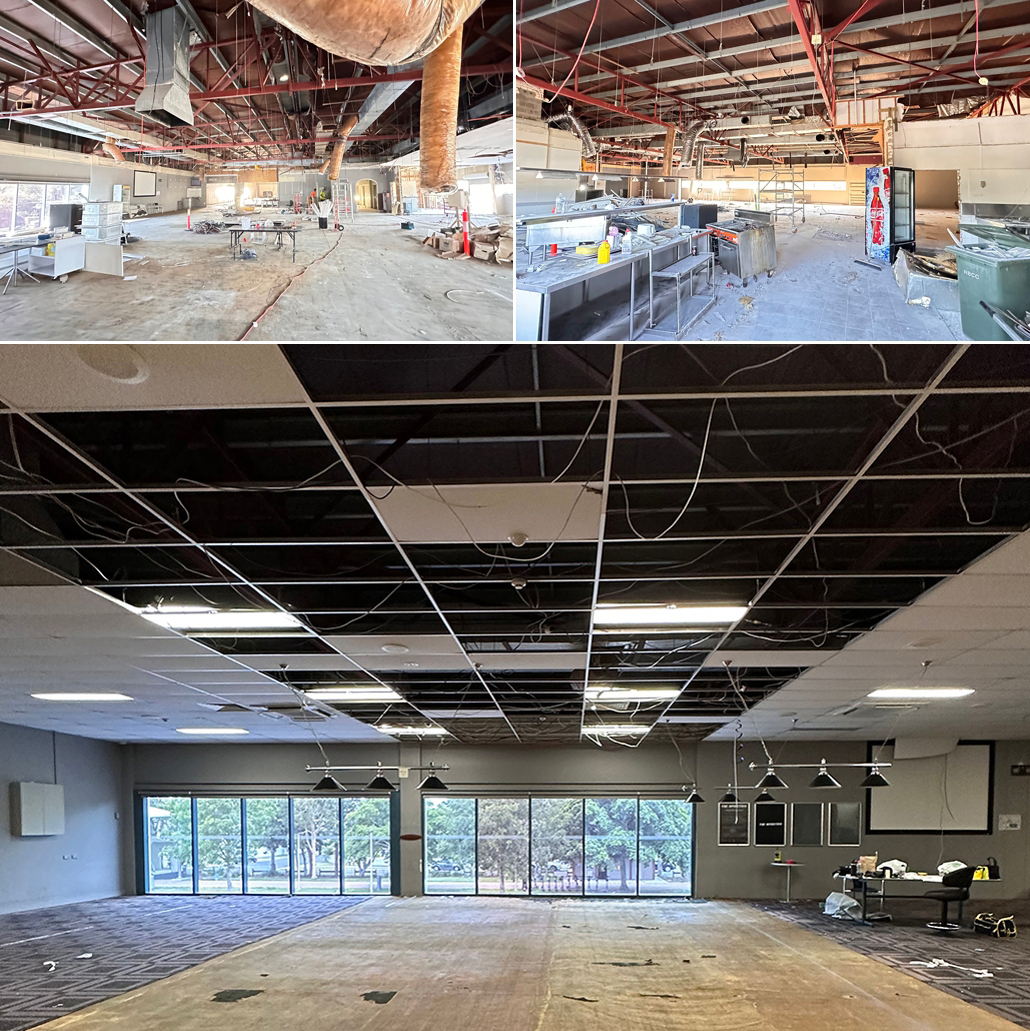
Removing decades of additions revealed the true complexity hidden within the ageing structure.
Untangling a 1974 Body Corporate
Then there was the paperwork. And in many ways, that proved just as complex as the physical build.
The Place operated under an old 1974 body corporate structure; one that had been altered, patched and complicated over decades.
There were easements running through spaces that no longer existed. Passageways on title that had disappeared. Areas legally recognised that no longer matched the physical building.
To make the redevelopment work, Winney and his team had to effectively dismantle the old arrangement and rebuild it.
That meant creating three separate body corporates: a principal body corporate, a residential body corporate and a commercial body corporate. The process took around a year.
For anyone who has ever dealt with strata paperwork, it’s a reminder that the legal structure behind apartment living can be just as important as the walls themselves. In this case, it was foundational.
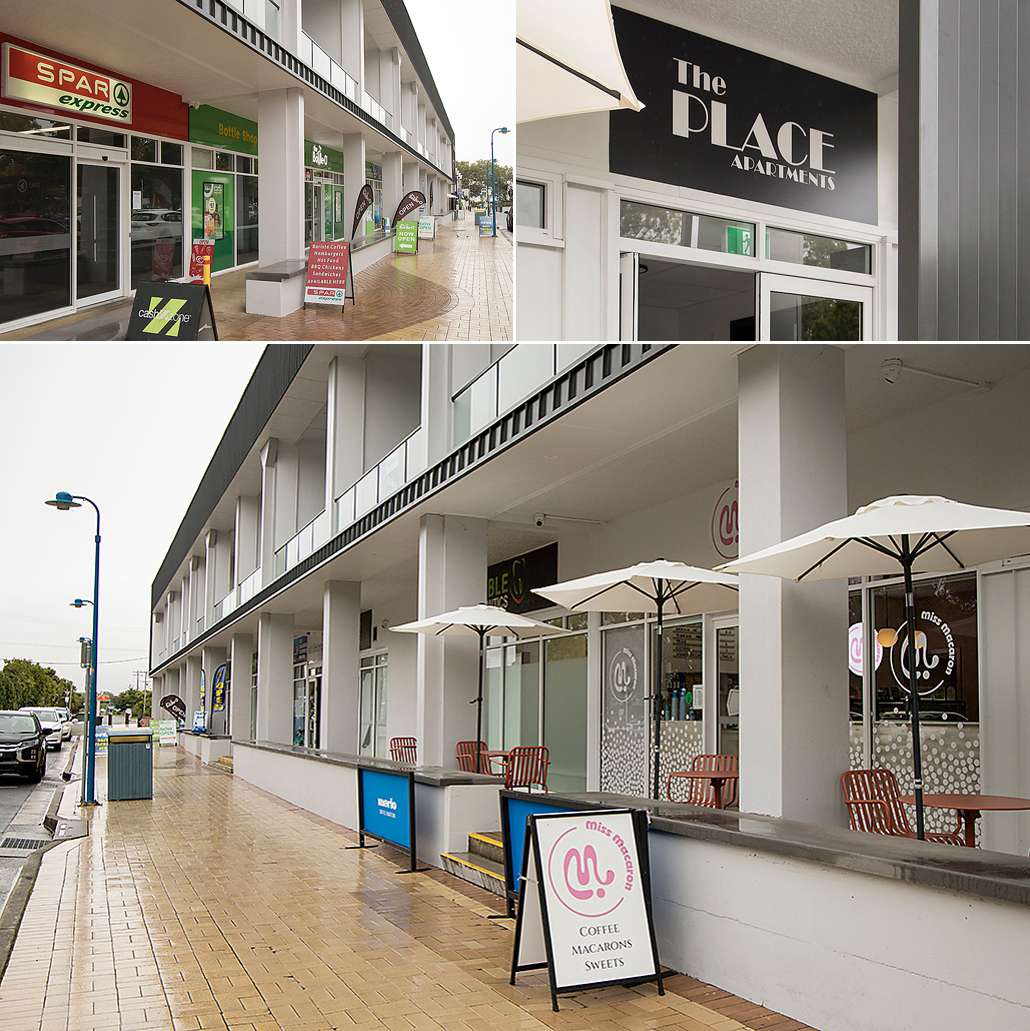
The redevelopment sought to create a neighbourhood hub where local businesses and residents could coexist.
Building Around Business
One of the trickiest parts of the project was that life downstairs never entirely stopped. Businesses remained. Trades worked around operating tenants.
Eastons Anglers Den, a long-standing fixture in the precinct since the early 1990s, was deliberately retained to preserve some of the site’s long connection to the Urangan fishing community.
Winney says keeping that continuity mattered.
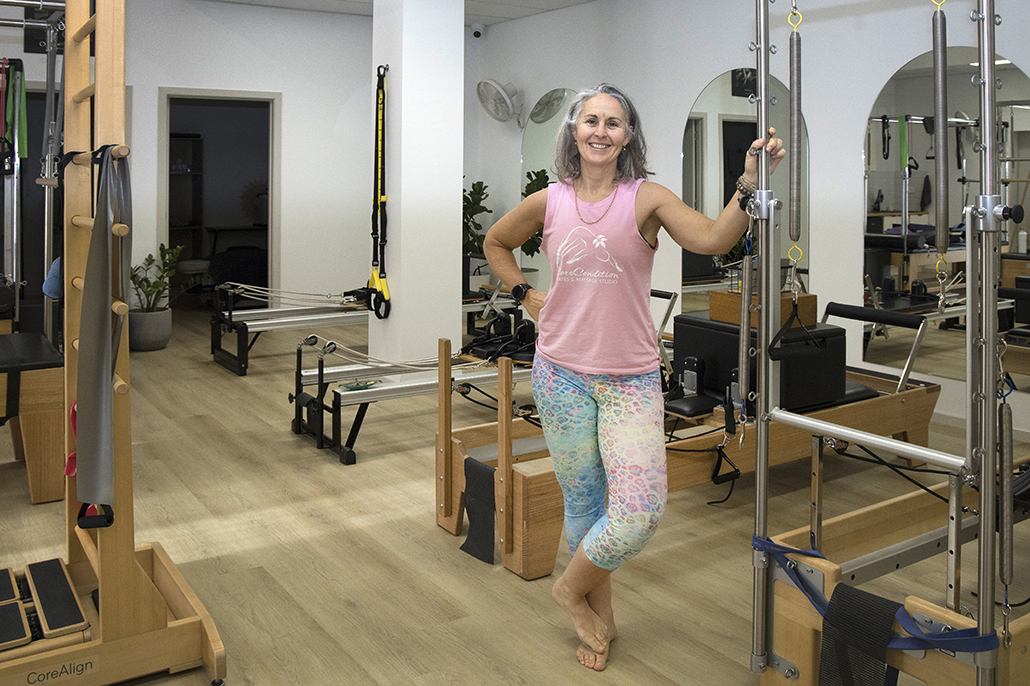
At the same time, new businesses moved in, including Core Condition Pilates & Massage Studio, Chemart Chemist, SPAR Express Urangan, The Bottle-O, Miss Macaron and Invisible Orthodontics.
It meant The Place wasn’t rebuilt in isolation. It was rebuilt while business carried on. Messy, noisy and complicated. But alive.
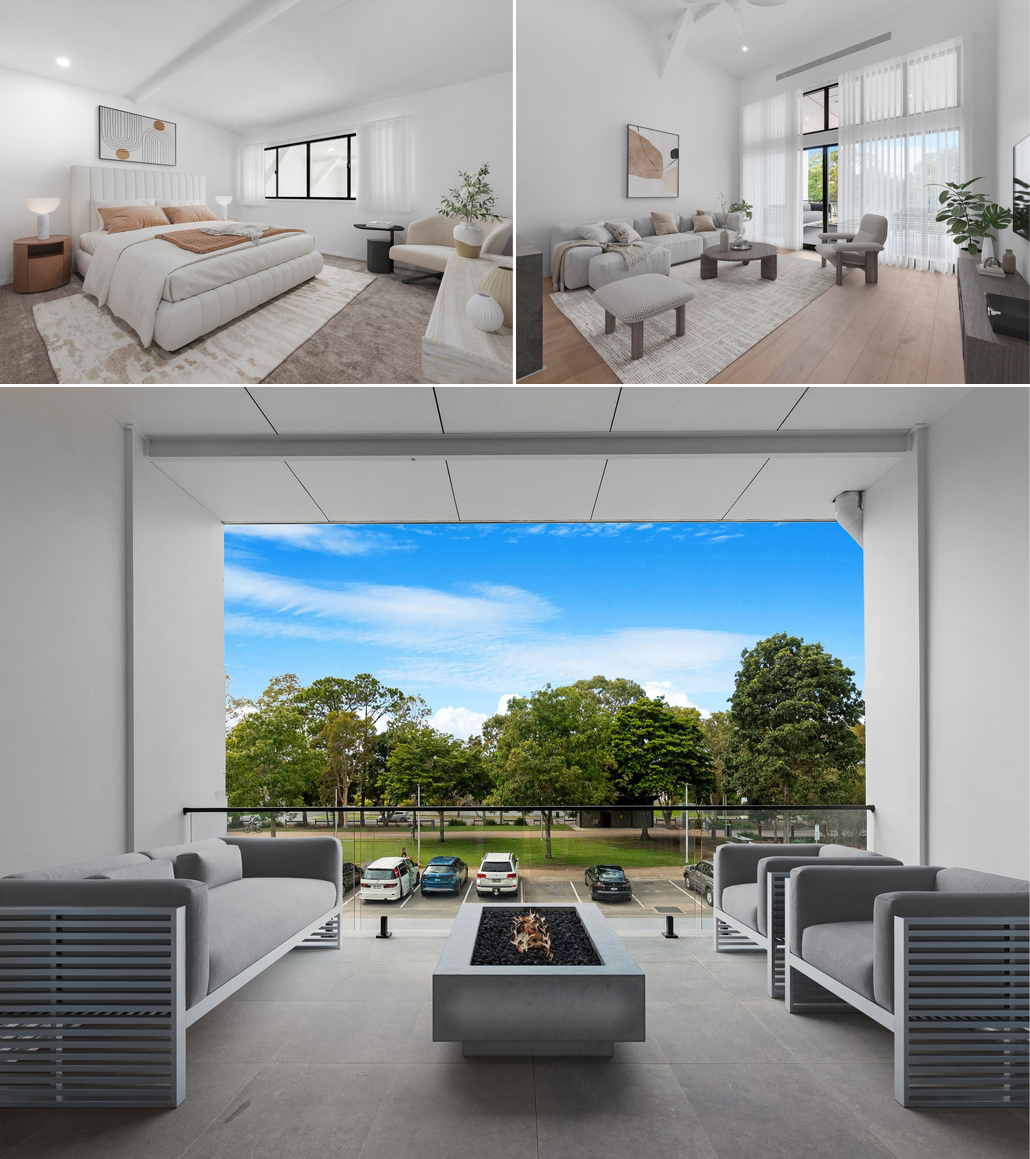
The Place apartments were designed to offer a different style of coastal living to the traditional suburban home.
A Different Kind of Coastal Living
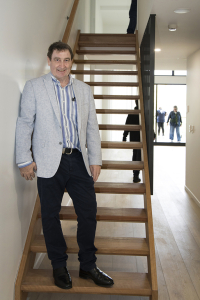
Developer Glen Winney inside one of the new warehouse-style apartments.
For Winney, the final result is about more than preserving history. It’s about changing the shape of how people live in Hervey Bay.
He believes the region needs alternatives to the traditional three and four-bedroom suburban model.
The apartments at The Place are aimed largely at owner-occupiers; people wanting walkability, lower maintenance and flexible living. Some live locally. Others split their time between Hervey Bay and places like the Sunshine Coast.
The industrial design, with its high ceilings, loft elements and exposed character, deliberately nods to Urangan’s past as a working port and industrial area. It echoes the cranes, rail sidings, cargo sheds and steamships that once made nearby Urangan Pier one of Queensland’s busiest regional export ports.
It’s not the kind of apartment style commonly seen in Hervey Bay. That, Winney says, is exactly the point.
After 50 years, The Place has been many things: shopping centre, nightclub, social club and local institution. Its latest chapter may be its most practical yet; not because it erased the past, but because it decided the past was worth carrying forward.
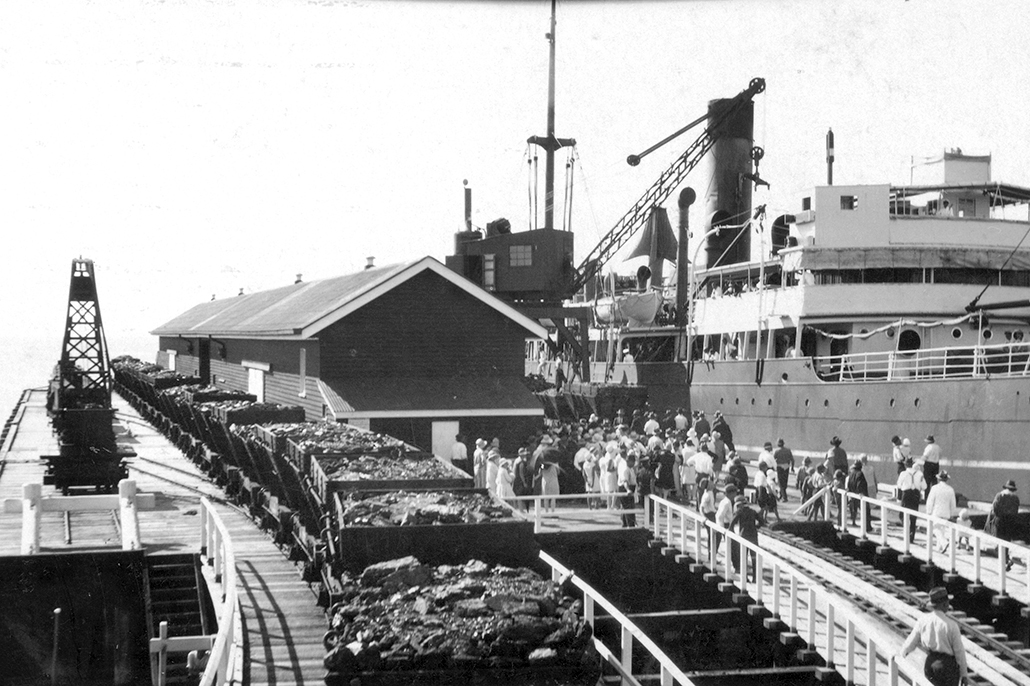
Urangan’s industrial heritage was built around the pier, shipping and export trade. Elements of that working history influenced the warehouse-inspired design language adopted at The Place redevelopment.
Curious about apartment-style coastal living?
The Place reflects a growing interest in walkable neighbourhoods, lower-maintenance homes and lock-up-and-leave living on the Fraser Coast.
Visitors wanting to experience that lifestyle for themselves before buying may enjoy a stay at Oaks Hervey Bay Resort and Spa, within walking distance of cafés, restaurants and the Urangan waterfront.
Disclosure: This article contains an affiliate link. If you make a booking through that link, Jocelyn Magazine may receive a small commission at no additional cost to you. These partnerships help support independent storytelling focused on place, property, local history and coastal living.