Body corporate living isn’t just about levies, meetings and maintenance schedules. It’s about people sharing walls, gardens, decisions, finances and everyday life.

Common Ground explores the realities of townhouse, apartment and community living through practical advice, lived experience and thoughtful storytelling. From body corporate disputes and buyer due diligence to small-space living, neighbourhood change and the challenges of balancing growth with lifestyle, these are stories for anyone navigating shared living in modern Australia.

How a Casual Lunch Deal Turned Into a Complex Building Rescue

“We accidentally bought the building.”

That’s how developer and builder Glen Winney at Win Projects describes the beginning of what became one of Hervey Bay’s most ambitious and complex building rescues. It started, he says, over lunch.

Winney was meeting with boat club figures when the conversation turned to the old Sporties building at 8 Pier Street, Urangan; a landmark many locals would remember as One Stop, Twisties Nightclub or, in later years, Sporties Club.

The upstairs had fallen quiet after COVID. The building was ageing. The future was uncertain. Then came the offhand comment.

“I’ll buy it,” Winney joked.

By the end of lunch, it was no longer a joke.

What followed was a years-long journey to transform the 50-year-old complex into what reopened last week as The Place, a mixed-use precinct with commercial businesses below and nine warehouse-style apartments above.

But as Winney quickly discovered, saving an old building is rarely as simple as it looks.
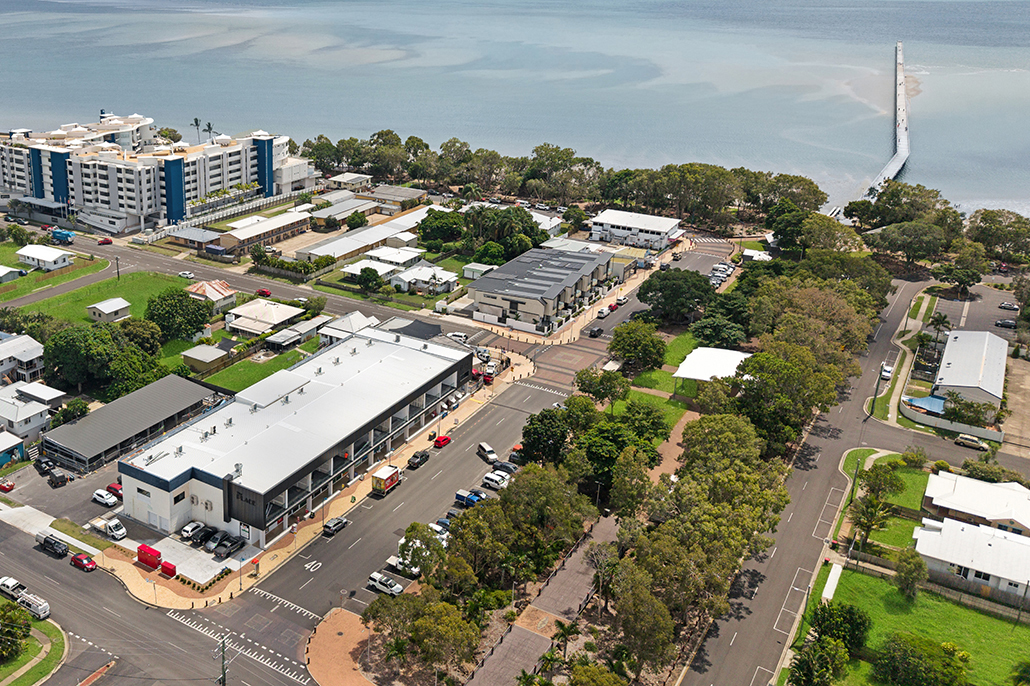
 

Aerial photograph showing The Place Urangan and its location near Urangan Pier in Hervey Bay.

The Place occupies one of Hervey Bay’s most significant locations, just metres from Urangan Pier and the Esplanade.

Why Demolition Would Have Been Easier

For many developers, knocking down the old building would have been the obvious option. Faster. Cleaner. More predictable.

But Winney says that was never really the point.

“It’s easy for a developer or builder to just rip it down and build something new and shiny,” he said.

Instead, he wanted to keep something that mattered to the area.

The Place Urangan had lived many lives. Before the current structure, the site was home to Stevenson’s Grocery and a local bakery. Later, it became One Stop, a practical shopping hub for Urangan locals.

Upstairs, it hosted weddings, birthdays and community events before transforming into Twisties Nightclub during Hervey Bay’s nightlife boom, then later Sporties Club.

For many locals, it wasn’t just a building. It was part of growing up. Winney saw value in that. But preserving history came at a cost.
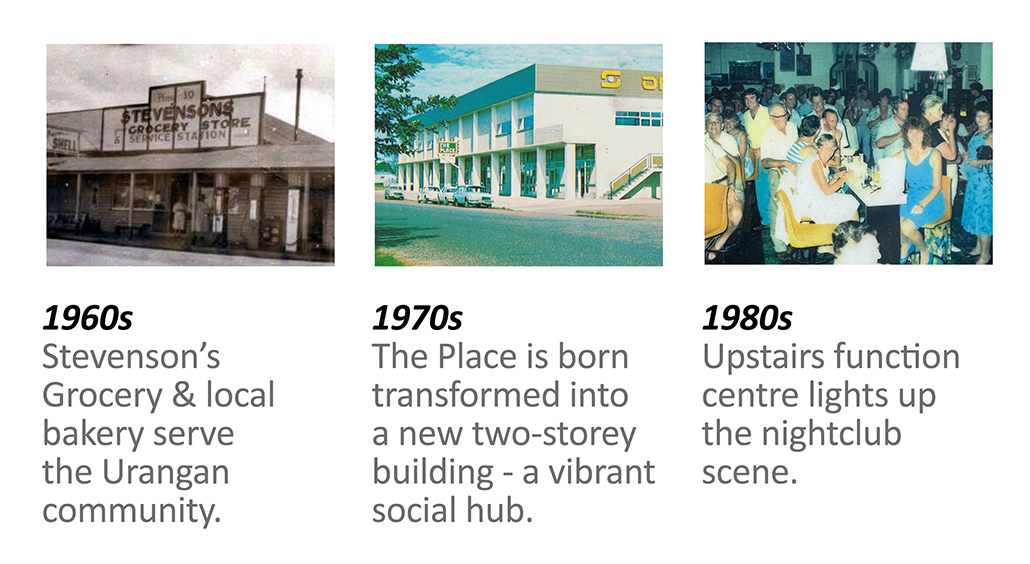
Historic timeline showing Stevenson's Grocery, early One Stop years and the nightclub era at The Place Urangan.

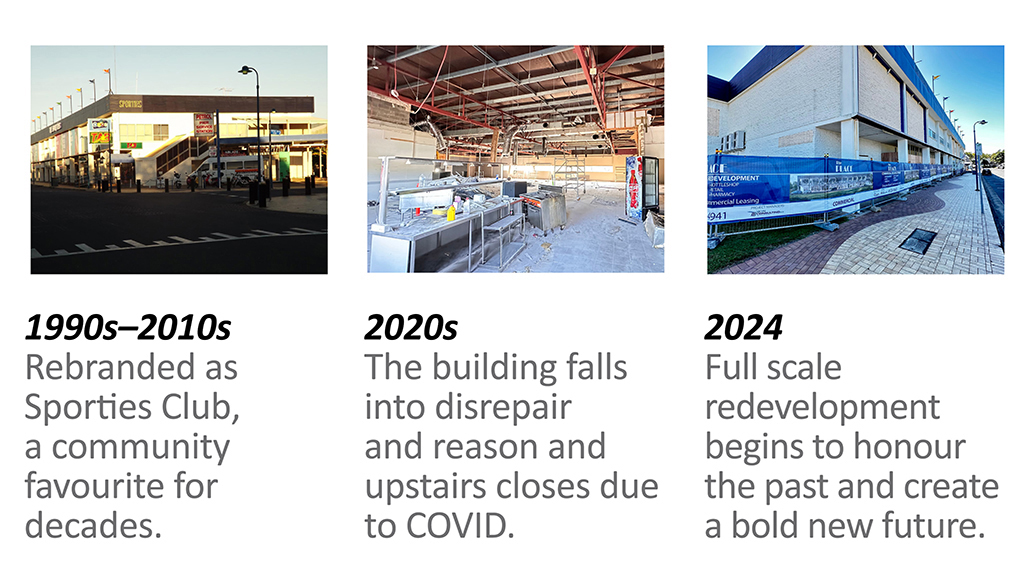
Historic timeline showing Sporties Club, building closure and redevelopment of The Place Urangan.

The building’s evolution from Sporties Club through closure and eventual redevelopment.

The Hidden Problems Under the Floor

Developer Glen Winney speaking at the reopening of The Place Urangan.

Developer Glen Winney speaking during the official reopening of The Place.

Once work began, the real surprises started. And they kept coming.

First came the stormwater. Workers discovered major stormwater infrastructure running directly beneath the building, forcing a complete redesign of drainage through the car park and surrounding areas.

Then came the electrical mains. The main power supply, Winney discovered, ran underneath the neighbouring building, a major complication that stalled upgrades and triggered a long process with Ergon to reroute power and install new infrastructure.

Then there was water. The original supply lacked enough pressure to meet modern fire requirements. That meant rerouting mains, digging beneath concrete and installing a major pump system.

Each discovery pushed the project further away from a cosmetic renovation and deeper into what Winney describes as a full-scale rebuild.

“It was honestly challenges day in, day out,” he said.

And that was before they even tackled the biggest hurdle.

Nine Apartments, Nine Fire Compartments

The upstairs space once operated as one enormous commercial function and entertainment zone; about 1,500 square metres in total. Converting that into nine apartments meant rethinking everything. Especially fire compliance.

Under modern regulations, each apartment needed to become its own fire compartment, a huge challenge inside an older building designed for open, communal use.

“Everybody from the fire department right through said, ‘No, you can’t do it,’” Winney said.

The solution required specialist fire engineers from Brisbane, steel reinforcements beneath trusses, new fire walls, vermiculite fire-proofing sprayed across structural braces, and complex separation between hallways and units.

It wasn’t glamorous work. But it was essential. And it changed the entire internal logic of the building. What was once one giant social space became nine distinct homes.
Developer Glen Winney speaking at the reopening of The Place Urangan.

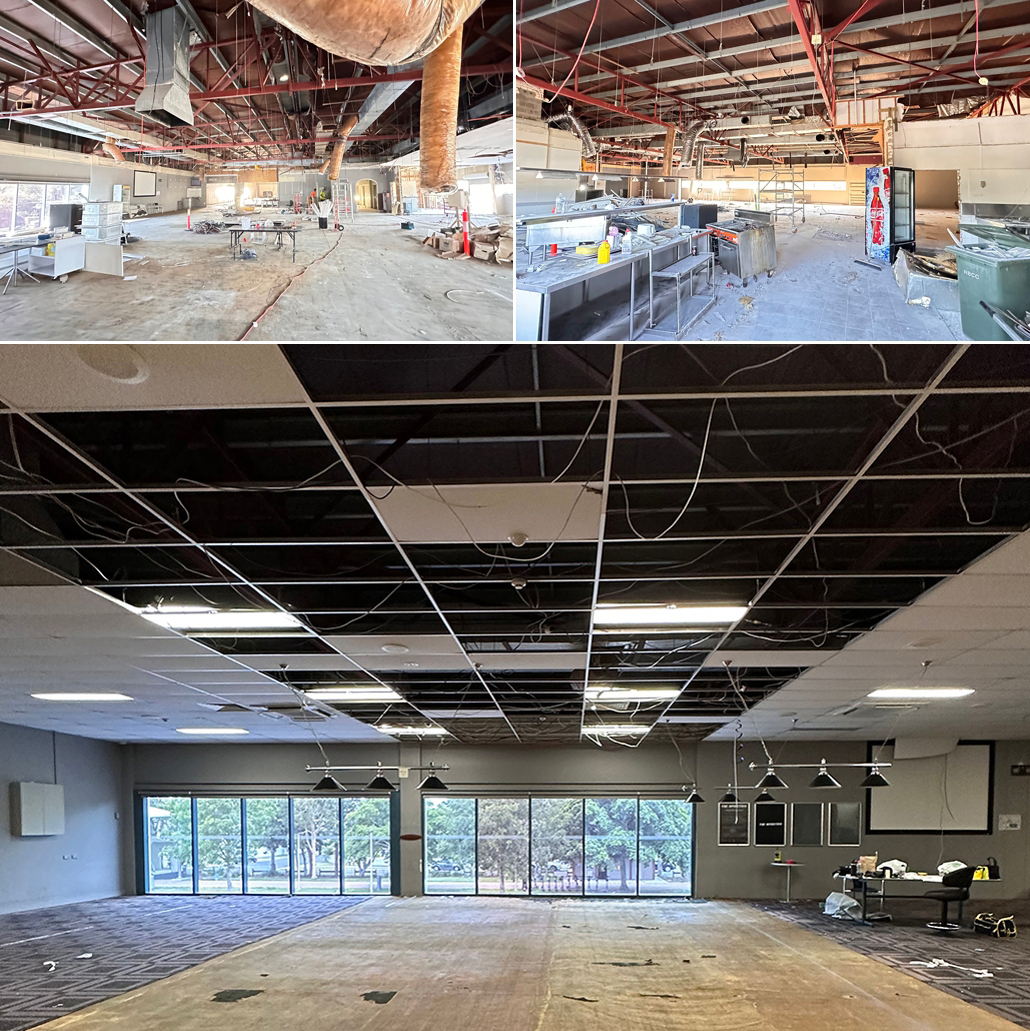
Removing decades of additions revealed the true complexity hidden within the ageing structure.

Untangling a 1974 Body Corporate

Then there was the paperwork. And in many ways, that proved just as complex as the physical build.

The Place operated under an old 1974 body corporate structure; one that had been altered, patched and complicated over decades.

There were easements running through spaces that no longer existed. Passageways on title that had disappeared. Areas legally recognised that no longer matched the physical building.

To make the redevelopment work, Winney and his team had to effectively dismantle the old arrangement and rebuild it.

That meant creating three separate body corporates: a principal body corporate, a residential body corporate and a commercial body corporate. The process took around a year.

For anyone who has ever dealt with strata paperwork, it’s a reminder that the legal structure behind apartment living can be just as important as the walls themselves. In this case, it was foundational.
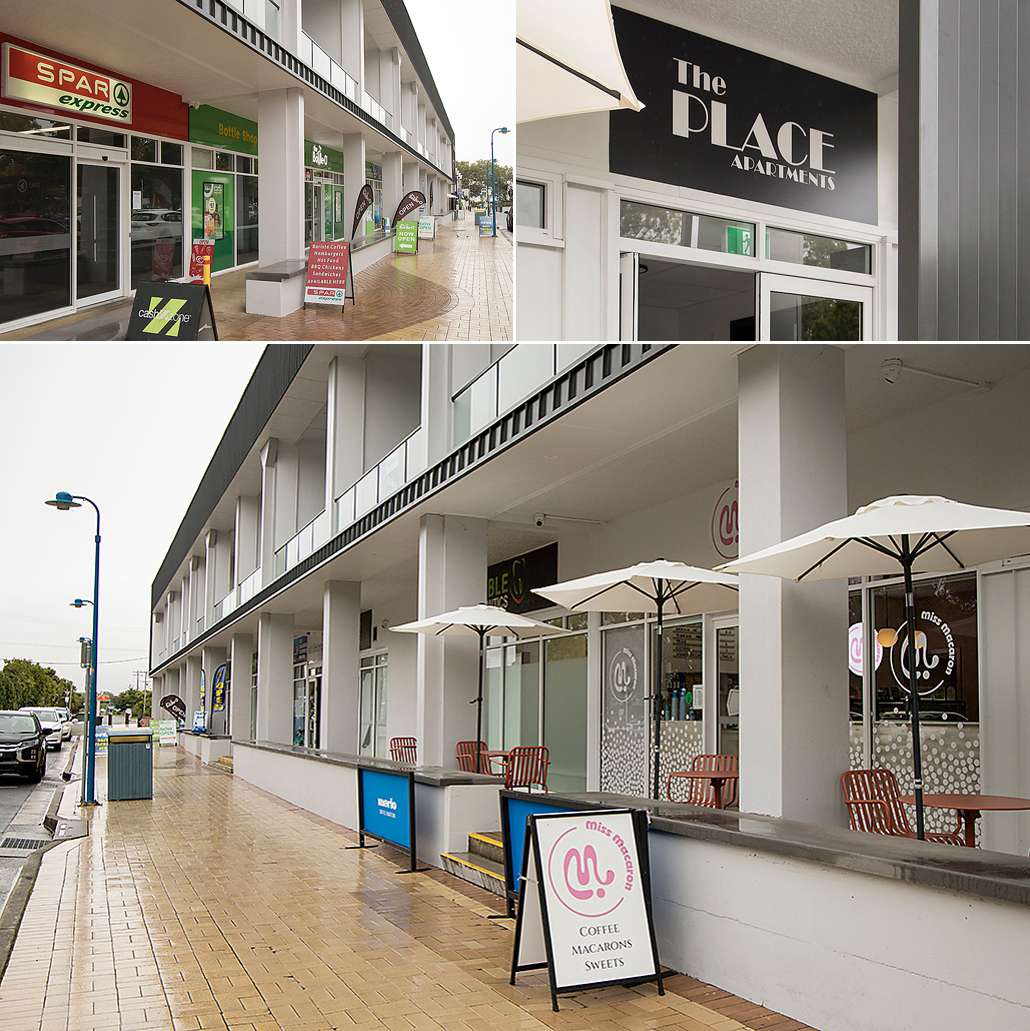
Commercial businesses and apartment entrances at The Place Urangan redevelopment.

The redevelopment sought to create a neighbourhood hub where local businesses and residents could coexist.

Building Around Business

One of the trickiest parts of the project was that life downstairs never entirely stopped. Businesses remained. Trades worked around operating tenants.

Eastons Anglers Den, a long-standing fixture in the precinct since the early 1990s, was deliberately retained to preserve some of the site’s long connection to the Urangan fishing community.

Winney says keeping that continuity mattered.

At the same time, new businesses moved in, including Core Condition Pilates & Massage Studio, Chemart Chemist, SPAR Express Urangan, The Bottle-O, Miss Macaron and Invisible Orthodontics.

It meant The Place wasn’t rebuilt in isolation. It was rebuilt while business carried on. Messy, noisy and complicated. But alive.
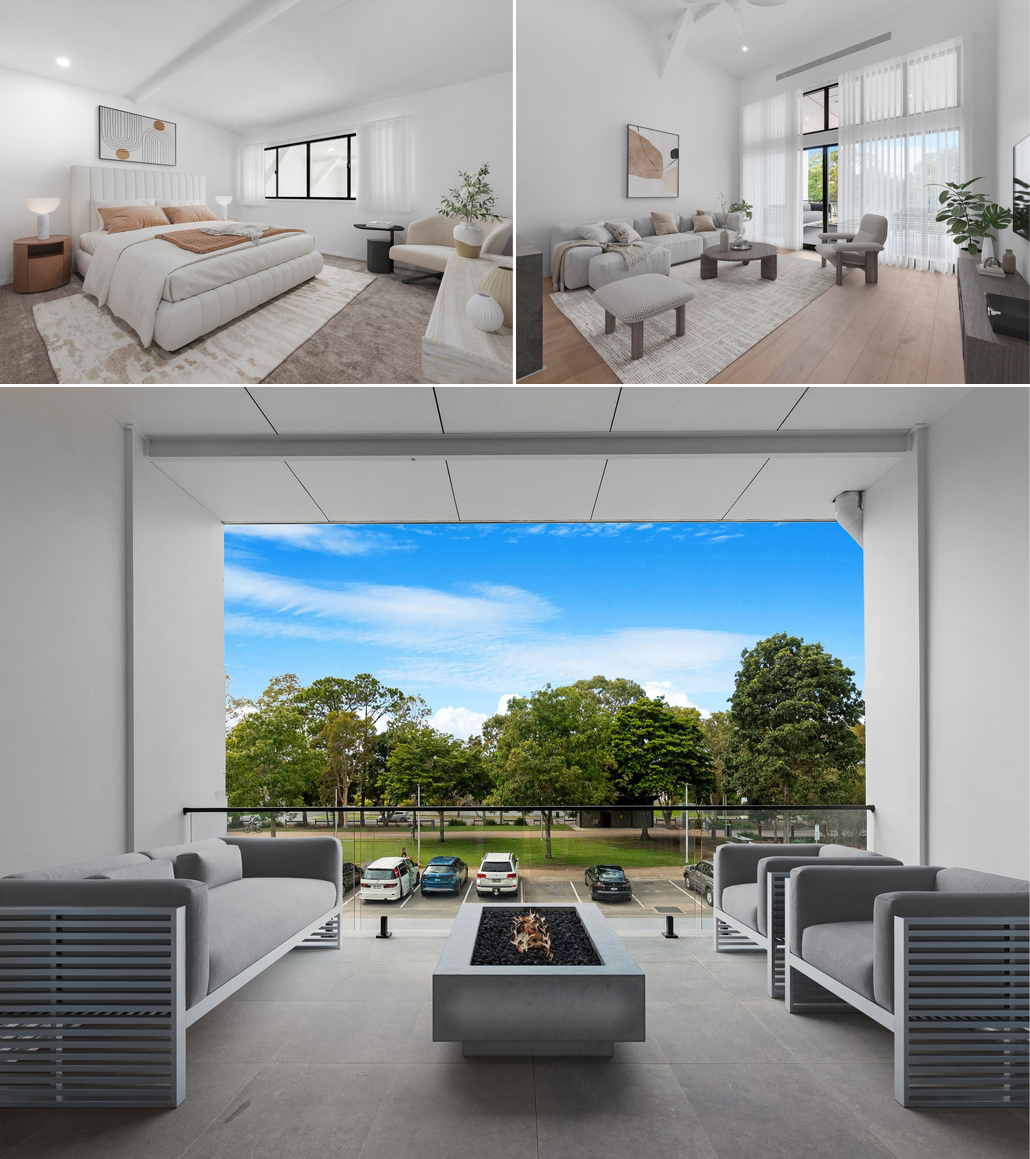
Warehouse-style apartment interiors and outdoor living spaces at The Place Urangan.

The Place apartments were designed to offer a different style of coastal living to the traditional suburban home.

A Different Kind of Coastal Living
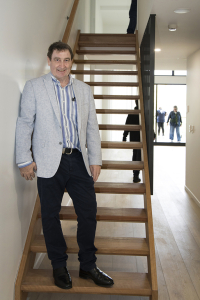
Developer Glen Winney standing inside an apartment at The Place Urangan redevelopment.

Developer Glen Winney inside one of the new warehouse-style apartments.

For Winney, the final result is about more than preserving history. It’s about changing the shape of how people live in Hervey Bay.

He believes the region needs alternatives to the traditional three and four-bedroom suburban model.

The apartments at The Place are aimed largely at owner-occupiers; people wanting walkability, lower maintenance and flexible living. Some live locally. Others split their time between Hervey Bay and places like the Sunshine Coast.

The industrial design, with its high ceilings, loft elements and exposed character, deliberately nods to Urangan’s past as a working port and industrial area. It echoes the cranes, rail sidings, cargo sheds and steamships that once made nearby Urangan Pier one of Queensland’s busiest regional export ports.

It’s not the kind of apartment style commonly seen in Hervey Bay. That, Winney says, is exactly the point.

After 50 years, The Place has been many things: shopping centre, nightclub, social club and local institution. Its latest chapter may be its most practical yet; not because it erased the past, but because it decided the past was worth carrying forward.



Urangan Pier history, Hervey Bay industrial history, export trade, steamships, Fraser Coast history, working waterfront, warehouse design, industrial heritage, The Place Urangan, local history, coastal Queensland history

Urangan’s industrial heritage was built around the pier, shipping and export trade. Elements of that working history influenced the warehouse-inspired design language adopted at The Place redevelopment.


Curious about apartment-style coastal living?

The Place reflects a growing interest in walkable neighbourhoods, lower-maintenance homes and lock-up-and-leave living on the Fraser Coast.

Visitors wanting to experience that lifestyle for themselves before buying may enjoy a stay at Oaks Hervey Bay Resort and Spa, within walking distance of cafés, restaurants and the Urangan waterfront.

View rooms, apartments and current offers.

Disclosure: This article contains an affiliate link. If you make a booking through that link, Jocelyn Magazine may receive a small commission at no additional cost to you. These partnerships help support independent storytelling focused on place, property, local history and coastal living.


Do You Really Own Your Home? The Fine Print Behind Lifestyle Villages and Townhouse Living

LIFESTYLE village vs body corporate ownership is becoming an increasingly important question for Australians looking to downsize or move to coastal communities.

For most of us, the idea of “owning a home” seems pretty straightforward.

You buy it. You pay rates on it. You mow the lawn. You complain about the insurance. And eventually, if all goes well, you own it outright.

Simple. Or at least it used to be.

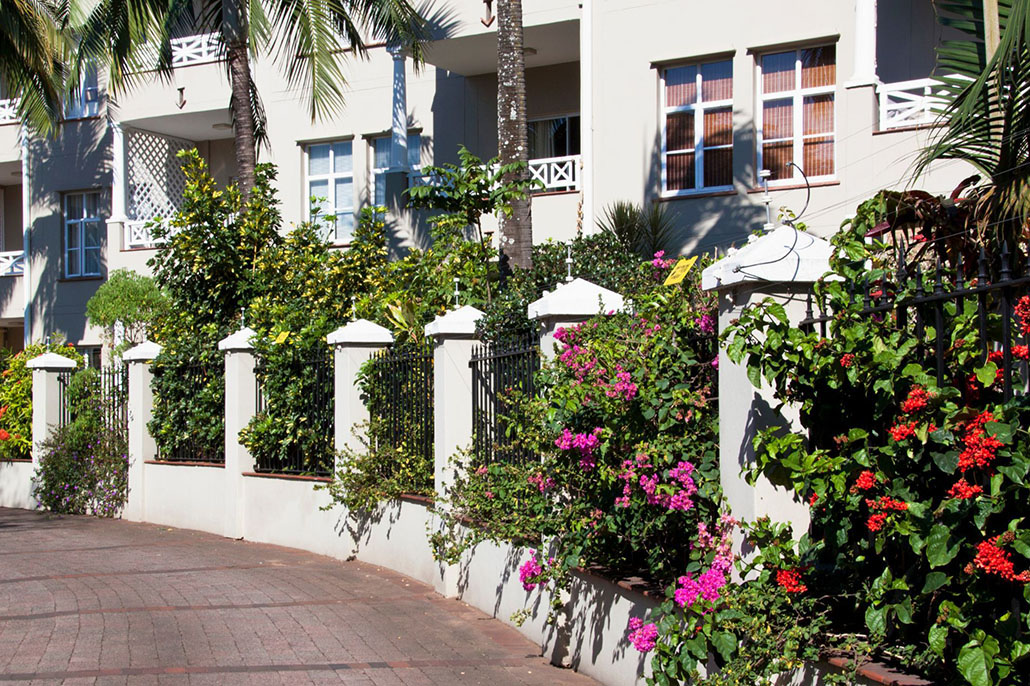
Landscaped body corporate townhouse and apartment complex with shared common property in Queensland

Landscaped apartment and townhouse complex highlighting shared common property and modern body corporate living in Queensland.

These days, modern property ownership can involve body corporates, leasehold land, lifestyle village operators, sinking funds, disclosure statements and enough paperwork to make a conveyancer reach for a second coffee.

It’s not uncommon now for buyers to move into a townhouse or lifestyle village and suddenly find themselves wondering:

Hang on … what exactly do I own here?

It’s a fair question.

Recently, during a conversation about body corporate responsibilities, I casually mentioned paying council rates on my townhouse in Hervey Bay. Another person immediately replied:

“But you don’t own the land.”

That sent me down a rabbit hole of titles, Building Format Plans, leasehold arrangements and lifestyle village structures, and, frankly, it’s little wonder so many buyers become confused.

Because in modern Australia, ownership isn’t always what it first appears to be.

  • Jocelyn Magazine is filled with ideas for coastal living, travel, downsizing, healthy eating and creative pursuits. If we inspire your next purchase through links in this email, we may receive a small commission, at no extra cost to you.

The Old Australian Dream: House, Yard, Hills Hoist

For generations, the Australian dream was beautifully uncomplicated:

  • a detached house,
  • on its own block,
  • with a backyard big enough for cricket,
  • and a Hills Hoist turning slowly in the afternoon breeze.

You owned:

  • the land,
  • the house,
  • the fence,
  • the plumbing disasters,
  • and every weed in the garden bed.

If the guttering failed, it was your problem. If the roof leaked, also your problem. No committee meetings required. But rising property prices, ageing populations and changing lifestyles have transformed the housing landscape.

Many Australians are now downsizing into:

  • apartments,
  • townhouses,
  • gated communities,
  • retirement villages,
  • and lifestyle estates.

Particularly in coastal regions like the Fraser Coast, these developments are everywhere.

And while many look similar from the street, the legal structures underneath them can be wildly different.

Reviewing property paperwork before buying into a lifestyle village or body corporate complex

Reviewing property paperwork before purchasing into a lifestyle village or body corporate development.

What Is a Body Corporate Property, Really?

When you buy into a body corporate scheme, you’re buying into a shared ownership structure known in Queensland as a Community Titles Scheme.

That means:

  • you own your individual lot,
  • but you also share ownership and responsibility for common areas.

Those shared areas might include:

  • driveways,
  • gardens,
  • visitor parking,
  • pools,
  • stairwells,
  • lighting,
  • drainage,
  • or building structures.

To maintain those areas, owners pay levies into administrative and sinking funds.

So while many people refer to body corporate properties as “units” or “townhouses”, legally they’re part of a far more interconnected ownership arrangement than a freestanding suburban home.

Why Townhouses Can Feel Like Freehold Homes

Townhouses are particularly interesting because they often feel like traditional homes.

You may have:

  • your own front door,
  • your own garage,
  • a courtyard,
  • maybe a little patch of lawn,
  • and no upstairs neighbours tap dancing at midnight.

Psychologically, it feels very much like:

“This is my house.”

And in many ways, it is. But legally, the situation may be more complicated than buyers realise.

Two townhouse complexes sitting side-by-side can look almost identical from the outside, while operating under completely different ownership and maintenance rules underneath.

Which brings us to one of Queensland property law’s least sexy, but most important, distinctions.

The Queensland Twist: Building Format Plan vs Standard Format Plan

Somewhere in Queensland right now, a body corporate committee is arguing over waterproofing responsibility because nobody fully understood the difference between these two terms.

Standard Format Plan (SFP)

This structure is more like traditional land ownership.

Owners generally own:

  • the building,
  • and the land within their lot boundaries.

Maintenance responsibilities often sit more heavily with the individual owner.

That’s why many villa-style complexes have owners maintaining:

  • lawns,
  • gardens,
  • courtyards,
  • and sometimes even building exteriors.

Building Format Plan (BFP)

This is where things become murkier.

Under a Building Format Plan:

  • boundaries are often defined differently,
  • ownership may relate more to the internal space of the lot,
  • and structural elements frequently become body corporate responsibility.

That can include:

  • roofs,
  • external walls,
  • foundations,
  • waterproofing membranes,
  • balconies,
  • and other structural components.

And this is where confusion begins.

Because many townhouse owners assume:

“If it’s attached to my unit, surely it’s my responsibility.”

Not necessarily.

Others assume:

“If I use it exclusively, the body corporate must maintain it.”

Also not necessarily.

Throw in terms like “exclusive use”, “utility infrastructure” and “common property”, and suddenly a simple balcony leak starts sounding like a High Court case.

Resort-style pool area in an Australian lifestyle village community for downsizers

Resort-style pool area showcasing the relaxed lifestyle often promoted in Australian lifestyle village communities.

Lifestyle Villages: When You Own the Home but Not the Land

Lifestyle villages and land lease communities introduce another entirely different ownership model again.

These developments are increasingly popular with downsizers because they often offer:

  • lower purchase prices,
  • modern homes,
  • community facilities,
  • security,
  • and a resort-style atmosphere.

The catch? In many cases, residents own the building, but not the land underneath it.

Instead, the land remains owned by the operator, while residents lease their site under long-term agreements.

This is commonly called:

  • leasehold,
  • land lease,
  • or manufactured home estate living.

And it’s one reason these villages often advertise:

“No council rates!”

Which sounds fantastic right up until you realise somebody still has to pay for:

  • roads,
  • drainage,
  • rubbish collection,
  • lighting,
  • landscaping,
  • insurance,
  • and infrastructure maintenance.

The difference is simply that the village operator pays the council directly, then recovers those costs through:

  • site fees,
  • service charges,
  • maintenance contributions,
  • or ongoing village fees.

So while residents may not personally receive a council rates notice, the costs haven’t magically vanished into the sea breeze.

They’ve simply been repackaged.

“No Council Rates!” Technically True, But…

To be fair, many lifestyle villages genuinely provide attractive and affordable living arrangements.

For some people, they’re an excellent option.

The appeal is obvious:

  • lower entry prices,
  • reduced maintenance,
  • social connection,
  • shared facilities,
  • security,
  • and a simpler lifestyle.

But it’s important to understand the trade-offs.

In many leasehold arrangements:

  • the operator retains significant control,
  • fees can increase over time,
  • resale conditions may apply,
  • and residents often have contractual rights rather than traditional freehold ownership rights.

Some villages also impose rules around:

  • pets,
  • visitors,
  • parking,
  • landscaping,
  • exterior colours,
  • caravans,
  • and even clotheslines.

Which may sound horrifying to fiercely independent Australians who once proudly welded backyard sheds without council approval.

Shared billiards and recreational facilities inside an Australian lifestyle village community

Shared recreational facilities within a lifestyle village community designed for social connection and relaxed retirement living.

Lifestyle Village vs Body Corporate: What’s the Difference?

The reality is that every ownership model involves compromise.

Freehold homes

offer maximum control, but also:

  • full maintenance responsibility,
  • rising insurance costs,
  • and physical upkeep that becomes harder with age.

Body corporate living

can reduce maintenance burdens, but introduces:

  • levies,
  • committee politics,
  • shared decision-making,
  • and legal complexity.

Lifestyle villages

can provide affordability and community, but often involve:

  • leasehold arrangements,
  • operator control,
  • and ongoing site fees.

None are inherently “good” or “bad”.

But problems arise when buyers don’t fully understand what they’re buying before emotionally committing to a property.

And let’s be honest… most people inspecting homes are focusing on:

  • kitchen benches,
  • sea breezes,
  • storage space,
  • and whether the balcony gets winter sun.

Very few are asking:

“Excuse me, could I please see the Community Management Statement and details of future infrastructure liabilities?”

Which is understandable. But also exactly how expensive surprises happen.

Why Understanding Ownership Matters Before You Buy

Modern property ownership isn’t just about the building anymore.

It’s about:

  • legal structure,
  • ongoing obligations,
  • maintenance responsibility,
  • governance,
  • and long-term financial implications.

Particularly for downsizers, understanding those differences matters enormously.

Because the choice between:

  • freehold,
  • strata title,
  • Building Format Plan,
  • retirement village,
  • or land lease living

can significantly affect:

  • resale value,
  • inheritance,
  • ongoing costs,
  • lifestyle flexibility,
  • and future security.

Questions Every Downsizer Should Ask

Before signing a contract, buyers should ask:

  • Do I own the land?
  • Is this freehold, leasehold or community title?
  • Is the scheme a Building Format Plan or Standard Format Plan?
  • Who maintains external structures?
  • How are fees increased?
  • Are there exit fees?
  • What happens if major repairs are needed?
  • Are there restrictions on resale?
  • Who controls village rules or body corporate decisions?
  • What are the long-term infrastructure risks?

Because while granite benchtops are lovely, understanding the ownership structure underneath them may ultimately matter far more.


Thinking About Buying Into a Townhouse or Lifestyle Village?

Before signing a contract, download the FREE Body Corporate Health Check Checklist from Jocelyn Magazine. Plus, receive the seasonal Jocelyn Magazine newsletter featuring insights on coastal living, downsizing, lifestyle villages, healthy living and the creative Fraser Coast.


The Bottom Line

For many Australians, downsizing can absolutely deliver:

  • freedom,
  • community,
  • reduced stress,
  • and a wonderful coastal lifestyle.

But ownership today is no longer a one-size-fits-all concept.

Some people own:

  • land and house outright.

Others own:

  • a lot within a shared legal structure.

Others own:

  • only the building itself while leasing the land beneath it.

None of those arrangements are automatically wrong. They’re simply different.

The important thing is understanding the difference before signing the paperwork, preferably before discovering at a body corporate meeting that a waterproof membrane apparently has a more complicated legal status than some international treaties.

And somewhere between the brochures promising “carefree coastal living” and the disclosure statements nobody reads properly lies the modern Australian property dream:
slightly smaller, slightly more complicated, but still very much alive.

Understanding the difference between a lifestyle village vs body corporate arrangement may save buyers from expensive surprises later.


Further Information and Resources

If you’re considering buying into a townhouse complex, apartment, retirement village or lifestyle estate, these resources can help clarify ownership structures, maintenance responsibilities and your legal rights before signing a contract.

Queensland Body Corporate Information

Understanding Building Format Plans and Titles

  • Queensland Titles Registry
    Information about land titles, survey plans and ownership structures, including Building Format Plans and Standard Format Plans.
  • Queensland Law Society
    Find a solicitor experienced in property law or body corporate matters.

Lifestyle Villages and Retirement Living

Before You Buy

Consider obtaining:

  • a body corporate records search,
  • a copy of the Community Management Statement (CMS),
  • sinking fund forecasts,
  • recent AGM minutes,
  • and independent legal advice before committing to purchase.

Because understanding what you’re actually buying can be just as important as falling in love with the view from the balcony.


Thinking About Downsizing?

Subscribe to Jocelyn Magazine for the FREE Body Corporate Health Check Checklist, plus a seasonal newsletter featuring tips on coastal living, body corporate life, downsizing, lifestyle villages, healthy eating and the creative Fraser Coast.


  • About the author

    With several years’ experience as a body corporate secretary, Jocelyn brings a practical, real-world perspective to buying and living in townhouse and apartment complexes.


    ✨ Create a Space That Works for You

    Townhouse and apartment living often comes down to making your space both practical and comfortable. A few thoughtful additions can make a real difference to how a home feels day to day.

    If you’re settling into a smaller space or simply refining your surroundings, these partners offer a range of ideas worth exploring:

    Mica Lighting
    Beautiful lighting can help smaller rooms feel warmer, brighter and more inviting.

    Newentor AU
    From mattress toppers to dehumidifiers and portable air conditioners, practical comfort for everyday living.

    Tefal Australia
    Well-designed cookware and appliances can make compact kitchens easier and more enjoyable to use.

    Kakadu Plum Co.
    Natural Australian flavours and pantry staples to add something special to everyday meals.

    Lazy Tiles
    Stylish peel-and-stick tiles designed to refresh kitchens, bathrooms and small spaces without the renovation drama.


    • Jocelyn Magazine is filled with ideas for coastal living, travel, downsizing, healthy eating and creative pursuits. If we inspire your next purchase through links in this email, we may receive a small commission, at no extra cost to you.

Sales Pitches: Why Body Corporate Buyers Need to Do Their Homework

BY THE time most people buy into a townhouse or apartment complex, they’ve already fallen a little bit in love.

Maybe it’s the neat courtyard. The promise of “low-maintenance living”. The lake views. The idea of morning walks, coastal breezes and a simpler lifestyle.

And fair enough too. Body corporate living can be wonderful.

But after several years serving as secretary of a Queensland townhouse complex, I’ve learnt something else: buyers sometimes hear a version of the truth during inspections that doesn’t always survive contact with reality.

Not always deliberately. Not always maliciously. But enough that prospective buyers should slow down and do proper due diligence before signing anything.

I’m not a lawyer. I’m simply sharing lived experience from the committee side of body corporate living. This article is general information only and should not be relied upon as legal advice.

In my particular complex, sound travels surprisingly well across partition walls. What’s usually peaceful morning cuppa territory occasionally turns into an unintended front-row seat to property sales pitches drifting over the wall.

And honestly? I’ve heard some beauties.

A prospective buyer inspects a modern townhouse complex with a real estate agent.

A prospective buyer walks through a modern townhouse or apartment complex with a real estate agent during a property inspection.

One prospective buyer was told they could enjoy leisurely walks around the “natural lakes” on adjoining land beside the complex.

The problem?

That land was earmarked for future residential development and already had signs on the fencing warning: Trespassers Will Be Prosecuted.

No trespassing sign on fencing beside land earmarked for future development

A no trespassing sign attached to fencing near undeveloped land, highlights the importance of checking neighbouring property and future development plans before buying.

Another inspection involved discussion about a mango tree supposedly available for the buyer to enjoy once they moved in. Apparently a tree-identifying app had confirmed it was mango.

Small issue: the tree allegedly sat on the neighbouring land awaiting development, but there was no mango tree within cooee.

Then came the body corporate levies conversation.

A prospective buyer was reportedly told levies had recently changed and gone down by around $400 a year.

That statement was followed by a slightly nervous disclaimer:

Don’t hold me to that. I had a look just before I came here to get the latest information — we have to do that — and that’s what it looks like.

The reality?

Levies had actually increased by roughly $400 annually.

Was it dyslexia? A rushed glance at paperwork? An honest mistake? I genuinely don’t know.

But if you’re a buyer making major financial decisions, those details matter.

  • Jocelyn Magazine is filled with ideas for coastal living, travel, downsizing, healthy eating and creative pursuits. If we inspire your next purchase through links in this email, we may receive a small commission, at no extra cost to you.

The Problem With “Sounds About Right”

Real estate inspections move quickly.

Agents are juggling questions, trying to build enthusiasm and keep momentum going. Buyers are trying to imagine themselves living there. It’s easy for casual comments to take on the weight of fact.

That’s why buyers should independently verify anything important, especially in body corporate properties, where the fine print can dramatically affect your lifestyle and finances.

Under Queensland law, buyers of body corporate properties are entitled to important disclosure information before signing contracts. The Queensland Government says a body corporate certificate contains information buyers need “to make an informed decision about your purchase”.

The seller must also provide relevant body corporate documentation, including access to the community management statement (CMS).

In other words: don’t rely solely on verbal conversations during inspections.

Why Body Corporate Due Diligence Matters

If you’re buying into a body corporate, here are a few things worth investigating yourself.

1. Confirm the Levies in Writing

Never rely on verbal estimates.

Ask for:

  • Current administrative fund levies
  • Sinking fund levies
  • Any special levies proposed or under discussion
  • Levy discount arrangements and due dates

If possible, compare current levies against previous AGM paperwork to identify increases or looming costs.

A complex with suspiciously low sinking fund balances may be facing future levy hikes.

2. Read AGM Minutes, Carefully

This is where the real story often lives.

AGM and committee minutes can reveal:

  • Water ingress issues
  • Structural problems
  • Legal disputes
  • Neighbour conflicts
  • Upcoming maintenance
  • Insurance concerns
  • Defects reports
  • Repeated complaints

Sometimes complexes look immaculate during inspections while wrestling with expensive long-term issues behind the scenes.

3. Drive Around the Entire Block

Not just the pretty side shown during the inspection.

Look for:

  • Development applications
  • Vacant land earmarked for construction
  • Noise sources
  • Drainage problems
  • Commercial activity nearby
  • “Future development” signage
  • Flood-prone areas
  • Temporary fencing and survey markings

If neighbouring land looks untouched, don’t assume it will stay that way.

4. Understand What You Actually Own

This catches many buyers out.

In body corporate schemes, ownership boundaries can become surprisingly complicated.

You may not own:

  • External walls
  • Some courtyards
  • Driveways
  • Utility infrastructure
  • Gardens
  • Fencing

Exclusive use areas don’t necessarily mean exclusive ownership.

Read the Community Management Statement carefully.

5. Check Body Corporate Records

Queensland buyers can request access to records and certificates relating to the body corporate.

That paperwork may reveal:

  • Insurance claims
  • Defect disputes
  • Engineer reports
  • Arrears problems
  • Contractor disputes
  • Correspondence about ongoing issues

It’s not exactly thrilling bedtime reading, but it can save buyers from expensive surprises later.

What If You Think You Were Misled?

This is where things become murkier.

Under Queensland’s Property Occupations Act 2014, real estate agents must not make false or misleading representations relating to property sales.

Australian Consumer Law also prohibits misleading or deceptive conduct in trade or commerce.

But determining liability depends heavily on:

  • What was actually said
  • Whether it can be proven
  • Whether the seller knew information was false
  • Whether the agent relied on incorrect information
  • Whether written disclosures contradicted verbal statements

That’s one reason written evidence matters so much.

If you discover serious discrepancies after settlement:

Start by documenting everything

Keep:

  • Emails
  • Advertising screenshots
  • Inspection notes
  • Text messages
  • Contracts
  • Disclosure documents

Contact your conveyancer or solicitor

A property lawyer can advise whether there may have been misleading conduct or disclosure failures.

Contact the Office of Fair Trading

In Queensland, complaints involving real estate agent conduct may be directed to the Office of Fair Trading.

What About the Body Corporate?

This part surprises some new owners.

The body corporate itself is usually not responsible for things a real estate agent may have said during a private sale inspection.

The body corporate’s responsibilities generally relate to:

  • Common property management
  • Maintenance obligations
  • Records
  • Insurance
  • Governance

It is not normally the body corporate’s role to police sales conversations between agents and prospective buyers.

That said, once you become an owner, you do gain rights to inspect records, raise concerns and participate in the governance of the scheme.

A Few Final Thoughts

Most real estate agents are hardworking professionals doing their best in a fast-moving environment.

But buying property, particularly in a body corporate, is too important to rely on optimism, assumptions or casual comments made during a 20-minute inspection.

If something sounds vague, double-check it.

If something sounds too good to be true, definitely double-check it.

And if you hear promises about peaceful natural outlooks, future mango harvesting rights and mysteriously shrinking levies?

Maybe take a slow drive around the block before signing on the dotted line.

Morning coffee and notebook during quiet reflection on coastal townhouse living

Morning coffee beside a notebook overlooking water, symbolising reflection and lived experience in body corporate and small-space living.


Disclaimer: This article is general information only and does not constitute legal, financial or property advice. Readers should seek independent professional advice relevant to their own circumstances. The author is not a lawyer and writes from personal lived experience as a body corporate committee member and secretary.

Helpful Resources


Thinking About Buying Into a Body Corporate?

Before signing a contract, it helps to know what questions to ask, and what documents to check.

Subscribe to the Jocelyn Magazine newsletter and receive the free Body Corporate Health Check, a practical checklist designed to help buyers spot potential red flags before they commit.

👉 Download the free checklist and stay updated with future stories from Common Ground, exploring townhouse living, body corporate realities and small-space lifestyles in modern Australia.


About the author

With several years’ experience as a body corporate secretary, Jocelyn brings a practical, real-world perspective to buying and living in townhouse and apartment complexes.


✨ Create a Space That Works for You

Townhouse and apartment living often comes down to making your space both practical and comfortable. A few thoughtful additions can make a real difference to how a home feels day to day.

If you’re settling into a smaller space or simply refining your surroundings, these partners offer a range of ideas worth exploring:

Mica Lighting
Beautiful lighting can help smaller rooms feel warmer, brighter and more inviting.

Newentor AU
From mattress toppers to dehumidifiers and portable air conditioners, practical comfort for everyday living.

Tefal Australia
Well-designed cookware and appliances can make compact kitchens easier and more enjoyable to use.

Kakadu Plum Co.
Natural Australian flavours and pantry staples to add something special to everyday meals.

Lazy Tiles
Stylish peel-and-stick tiles designed to refresh kitchens, bathrooms and small spaces without the renovation drama.

  • Jocelyn Magazine is filled with ideas for coastal living, travel, downsizing, healthy eating and creative pursuits. If we inspire your next purchase through links in this email, we may receive a small commission, at no extra cost to you.

Inside the Chaos of Body Corporate Maintenance

Why good intentions aren’t always enough

There’s a moment that tends to happen in many body corporate meetings. It’s not dramatic. No raised voices. No one storms out.

But you leave with a sense that something didn’t quite line up.

Not wrong, exactly, just inconsistent.

It often shows up around something as ordinary as maintenance.

  • Jocelyn Magazine is filled with ideas for coastal living, travel, downsizing, healthy eating and creative pursuits. If we inspire your next purchase through links in this email, we may receive a small commission, at no extra cost to you.
Person completing a body corporate maintenance checklist to report property issues

Clear documentation can make all the difference when raising maintenance issues.


The assumption gap

At a recent AGM, a simple idea was put forward: an annual maintenance reporting checklist. Nothing overly complex, just a structured way for owners to flag issues ahead of budgeting and planning.

The response? Largely dismissive. The prevailing view was that such a process was unnecessary.

Owners, it was suggested, should simply organise two quotes when they notice a problem and present them to the committee for approval.

On the surface, that sounds practical. Efficient, even.

But it rests on an assumption that doesn’t always hold true: that every owner knows this is how the body corporate maintenance process works.


What new owners don’t know

In reality, many owners — particularly new ones — aren’t always told this.

There’s rarely a welcome pack that includes maintenance pathways. No clear guide outlining responsibilities, or how to raise issues, or what the committee expects.

So people do what seems reasonable:

  • they mention issues informally
  • they wait for a scheduled discussion
  • or they assume someone else is handling it

Others take initiative, organise quotes, and hope they’ve followed the right process.

And sometimes, these approaches exist side by side with very different outcomes.


When process becomes personal

In the absence of a clear, agreed pathway, decisions can begin to feel uneven.

One owner gathers quotes for a repair, only to have the proposal declined.

Another quote — obtained separately, at a lower cost — is later accepted.

It may be entirely well-intentioned. Committees are often trying to balance limited budgets with necessary repairs.

But without a transparent process, the outcome can feel less about what is being proposed, and more about how — and by whom.

That’s where uncertainty creeps in.


The cost of informality

Informal systems can work, particularly in small complexes where communication is strong and expectations are shared.

But over time, they can also lead to:

  • inconsistent decision-making
  • delays in addressing maintenance
  • confusion around responsibilities, and
  • a sense of inequity among owners

None of which are intentional, perhaps.

Most committees are made up of volunteers doing their best, often without formal training, navigating legislation like the Body Corporate and Community Management Act 1997 while trying to keep costs under control. That’s no small task.


A case for something simple

Which is why even modest structure can make a difference.

A basic, annual checklist:

  • gives every owner the same opportunity to raise concerns
  • creates a shared timeline for consideration
  • supports more consistent budgeting
  • and reduces the guesswork around “what to do when something goes wrong”

It doesn’t replace initiative. Owners can still act when urgent issues arise.

But it provides a baseline, a common understanding.


This body corporate maintenance checklist is provided as a general guide for owners.
Processes may vary between body corporates and should align with applicable legislation and by-laws.

DOWNLOAD THE CHECKLIST HERE


Not about being right

It’s tempting, in these situations, to focus on who was right in the room. But that’s rarely the most useful question. A better one might be:

Is the process clear enough that a new owner would know exactly what to do?

If the answer is no, there’s an opportunity, not for conflict, but for improvement.


How things shift

Body corporate living is, in many ways, a shared experiment. It relies on goodwill, communication, and a degree of patience. And sometimes, it benefits from stepping back and looking not just at individual decisions, but at the systems behind them.

Because when those systems are clear and consistent, everything else tends to follow more easily. Even the small things. Like a crack in the rendering, waiting to be fixed.

Contractor carrying out exterior building maintenance on a townhouse complex in Queensland

From small repairs to larger works, maintenance is where decisions become visible.


Thinking of buying into a body corporate?

Before you commit, it’s worth taking a closer look at how a complex is really operating behind the scenes.

👉 Download the Body Corporate Health Check — a practical checklist to help you spot issues early and avoid costly surprises.


About the author

With several years’ experience as a body corporate secretary, Jocelyn brings a practical, real-world perspective to buying and living in townhouse and apartment complexes.


✨ Create a Space That Works for You

Townhouse and apartment living often comes down to making your space both practical and comfortable. A few thoughtful additions can make a real difference to how a home feels day to day.

If you’re settling into a smaller space or simply refining your surroundings, these partners offer a range of ideas worth exploring:

Mica Lighting
Beautiful lighting can help smaller rooms feel warmer, brighter and more inviting.

Newentor AU
From mattress toppers to dehumidifiers and portable air conditioners, practical comfort for everyday living.

Tefal Australia
Well-designed cookware and appliances can make compact kitchens easier and more enjoyable to use.

Kakadu Plum Co.
Natural Australian flavours and pantry staples to add something special to everyday meals.

Lazy Tiles
Stylish peel-and-stick tiles designed to refresh kitchens, bathrooms and small spaces without the renovation drama.

  • Jocelyn Magazine is filled with ideas for coastal living, travel, downsizing, healthy eating and creative pursuits. If we inspire your next purchase through links in this email, we may receive a small commission, at no extra cost to you.

10 Things I Wish I’d Known About Townhouse Living Before Buying

WHEN I first bought into a townhouse complex, I had the idea there was some overarching — almost mythical — body corporate taking care of maintenance behind the scenes.

After being widowed and left with a standalone home in need of significant repairs, the thought of shared responsibility felt like a relief. I imagined I could finally relax a little and leave the big-ticket maintenance to someone else.

What I didn’t fully appreciate at the time was how townhouse living with a body corporate actually works — particularly in a small complex.

Over time, I found myself far more involved than expected, navigating maintenance decisions, budgets and the realities of shared responsibility. Like many owners, I’ve come to understand that without forward planning, even routine maintenance can become a source of stress.

It seems I’m not alone. Apartment and townhouse living is becoming increasingly common across Australia, as more people look to downsize, simplify or move closer to lifestyle hubs. Insights from realestate.com.au suggest that apartment living is fast becoming part of the modern Australian dream.

With that shift comes a learning curve.

Looking back, there are a number of things I wish I’d understood before buying into a townhouse complex — the sort of things that seem small at first, but make a real difference over time.

While my experience has been in a townhouse complex, many of these insights apply equally to apartment and unit living under a body corporate structure.

  • Jocelyn Magazine is filled with ideas for coastal living, travel, downsizing, healthy eating and creative pursuits. If we inspire your next purchase through links in this email, we may receive a small commission, at no extra cost to you.
Townhouse Living: Light-filled modern apartment living room with neutral tones and contemporary furniture

A bright, modern living room in a townhouse or apartment, styled with neutral tones, soft furnishings and natural light, ideal for compact living.

1. Cheap Body Corporate Fees Aren’t Always a Bargain

At first glance, low body corporate fees can seem like a win. Lower ongoing costs are always appealing, especially when compared to maintaining a standalone home.

But lower fees can sometimes reflect something else entirely — a lack of forward planning.

Body corporate levies typically contribute to a sinking fund used for long-term maintenance. If that fund isn’t being built up properly, major expenses don’t disappear — they simply get delayed.

Eventually, those costs tend to reappear in less comfortable forms, such as special levies or urgent repairs.

Sometimes, “affordable” just means “not yet paid for.”

2. Small Complexes Can Be Surprisingly Complex

It’s easy to assume that a small complex will be simpler to manage. Fewer owners, fewer moving parts — it sounds logical.

In reality, smaller complexes can be more sensitive to individual perspectives.

With fewer owners sharing costs, financial decisions can feel more immediate. At the same time, personalities and communication styles tend to play a larger role in how smoothly things run.

In a larger complex, there’s often a degree of separation. In a small one, everything is a little closer to home — including the decision-making.

Townhouse Living: Minimalist bedroom with soft neutral bedding and natural light in a small apartment

A calm and inviting bedroom with soft neutral tones, natural light and simple styling, suited to townhouse or apartment living.

3. Maintenance in Townhouse Living Takes Time

One of the biggest adjustments in body corporate living is the pace of maintenance.

In a standalone home, if something needs fixing, you organise it and get on with it. In a shared property, the process is more layered.

Maintenance often involves:

  • identifying the issue
  • discussing it with the committee
  • obtaining quotes
  • agreeing on a course of action
  • scheduling the work.

None of these steps are unreasonable — but together they can take time.

Understanding this early helps set expectations. What might feel like a straightforward fix can sometimes become a longer process in a shared environment.

4. One Issue Can Affect Multiple Lots in a Body Corporate

In a body corporate property, buildings are often interconnected — which means problems rarely stay in one place.

A leak in one area can travel. Drainage issues can impact multiple lots. Roofing or structural concerns are often shared, even if they first appear in a single unit.

This is one of the key differences from standalone living. What might seem like an isolated issue can quickly become a collective one.

It also means that resolving problems often involves more than one perspective — and sometimes more than one budget.

5. Meeting Minutes Matter More Than You Think

When buying into a townhouse or apartment complex, it’s tempting to skim through the paperwork and focus on the property itself.

But the meeting minutes often tell a much more detailed story.

They can reveal:

  • recurring maintenance issues
  • delays in addressing repairs
  • differing views among owners
  • patterns of decision-making.

Reading through a year or two of minutes can provide insight into how the complex actually functions — not just how it appears on inspection day.

In many ways, they’re the closest thing to a behind-the-scenes view.


👉 Buying into a townhouse or apartment complex?

Don’t sign anything until you’ve worked through this.

Download the Body Corporate Health Check — a practical checklist to help you uncover hidden issues, costs and risks before you commit.

👉 Get instant access when you sign up to the Jocelyn Magazine seasonal newsletter


6. A Good Body Corporate Manager Makes All the Difference

The body corporate manager plays a key role in how smoothly a complex operates.

When things are working well, much of that work happens in the background — communication is clear, processes are organised, and maintenance is coordinated in a timely way.

But, when things aren’t working as well, the opposite can be true.

While the committee ultimately makes decisions, the manager often helps guide how those decisions are implemented. Their level of organisation and responsiveness can have a noticeable impact on day-to-day operations.

It’s not always something buyers think to consider — but over time, it can make a significant difference.

Townhouse living: Small apartment balcony with hammock and plants in a bright townhouse setting

A light-filled balcony space with a hammock and greenery, showcasing how small outdoor areas can be styled for relaxation in townhouse living.

7. Decisions in Townhouse Living Can Take Time

In body corporate living, even relatively straightforward decisions often involve a process.

There may be:

  • discussions between committee members
  • multiple quotes to obtain
  • budget considerations
  • formal approvals.

Individually, these steps make sense. Collectively, they can slow things down.

For those used to managing their own property, this can take a little getting used to.

Patience isn’t listed anywhere in the by-laws — but it’s certainly helpful.

8. Common Property Isn’t Always Straightforward

The term common property sounds simple enough, but in practice it can be less clear-cut.

Areas such as:

  • balconies
  • external walls
  • roofs
  • pathways

may fall under shared responsibility — but the boundaries aren’t always obvious.

In some complexes, there may also be areas designated for the use of particular lots, sometimes described as exclusive use or private access. While these spaces may only be used by one owner, they can still form part of the broader property structure.

Understanding how these arrangements are defined — and how maintenance (and cost) responsibilities are shared — can help avoid confusion later on.

It’s one of those details that’s easy to overlook at the beginning, but important to understand over time.

9. Not All Owners See Things the Same Way

In any body corporate, owners bring different perspectives.

Some may prefer to keep levies as low as possible. Others may favour a more proactive approach to maintenance and long-term planning.

There can also be a mix of:

  • owner-occupiers
  • investors
  • short-term vs long-term outlooks.

None of these are inherently right or wrong — but they can influence how decisions are made.

Understanding that there will be a range of priorities helps set realistic expectations.

Townhouse living: Cosy apartment balcony with outdoor seating and plants in a modern townhouse

A comfortable balcony with outdoor seating, soft textures and greenery, illustrating practical and inviting small-space living in a townhouse or apartment.

10. Good Communication Makes Townhouse Living Work

If there’s one thing that underpins everything else, it’s communication.

Well-run complexes often share a few common traits:

  • clear communication
  • respectful discussion
  • a willingness to work toward practical solutions.

Where communication breaks down, even small issues can become more complicated than they need to be.

Like most shared arrangements, body corporate living tends to work best when people approach it with a degree of patience and understanding.


Final Thoughts on Townhouse Living

Townhouse and apartment living can offer a genuinely appealing lifestyle — less maintenance, shared responsibilities and often a strong sense of community.

For many people, particularly those looking to simplify or downsize, it can be a very comfortable way to live.

At the same time, it’s a different kind of ownership. Decisions are shared, timelines can vary, and understanding how the system works makes a real difference.

Taking a little time to look beneath the surface before buying can help ensure the property you choose is not only appealing on the day, but sustainable over the long term.

For more detailed information — including pets, by-laws and dispute resolution — the Queensland Government’s Body Corporate and Community Management (BCCM) website is a helpful place to start.


Thinking of buying into a body corporate?

Before you commit, it’s worth taking a closer look at how a complex is really operating behind the scenes.

👉 Download the Body Corporate Health Check — a practical checklist to help you spot issues early and avoid costly surprises.


About the author

With several years’ experience as a body corporate secretary, Jocelyn brings a practical, real-world perspective to buying and living in townhouse and apartment complexes.


✨ Create a Space That Works for You

Townhouse and apartment living often comes down to making your space both practical and comfortable. A few thoughtful additions can make a real difference to how a home feels day to day.

If you’re settling into a smaller space or simply refining your surroundings, these partners offer a range of ideas worth exploring:

Mica Lighting
Beautiful lighting can help smaller rooms feel warmer, brighter and more inviting.

Newentor AU
From mattress toppers to dehumidifiers and portable air conditioners, practical comfort for everyday living.

Tefal Australia
Well-designed cookware and appliances can make compact kitchens easier and more enjoyable to use.

Kakadu Plum Co.
Natural Australian flavours and pantry staples to add something special to everyday meals.

Lazy Tiles
Stylish peel-and-stick tiles designed to refresh kitchens, bathrooms and small spaces without the renovation drama.

  • Jocelyn Magazine is filled with ideas for coastal living, travel, downsizing, healthy eating and creative pursuits. If we inspire your next purchase through links in this email, we may receive a small commission, at no extra cost to you.