Tag Archive for: tourism

Discovering the untamed beauty of Taieri Gorge

CAPTURING the earthy hues of rugged cliffs and bursts of yellow wildflowers cascading down the rocky slopes kept me enthralled for the entire Taieri Gorge journey on New Zealand’s South Island.

In September 2019, standing on the platform of a passenger carriage, every twist and turn of the tracks unveiled a panorama of untamed wilderness, inviting me to capture its natural beauty.

As the train wheels created a rhythmic beat, the Taieri River meandered through the gorge, setting the stage for a grand adventure.

Read further to discover the journey, noting that the Taieri Gorge Railway company has since undergone a transformation and is now recognised under the new identity of Dunedin Railways.

  • This article may contain affiliate links and advertisements. If you click on these links, make a purchase, or share this content, we may earn a small commission at no extra cost to you. This helps us continue creating valuable content for you. Thank you for your support.
Dunedin Railways - scene

Embracing the beauty of New Zealand’s Taieri Gorge train tour, where vibrant yellow wildflowers are in full bloom.

Spectacular journey with Dunedin Railways

Our journey began at the Dunedin Railway Station, a fine example of Renaissance revival architecture that stood as one of the city’s most fascinating landmarks.

With anticipation in the air, we stepped onto the train, which pulled away from the station and into the South Island countryside. As the train traversed areas inaccessible by road, we learned about the railway’s construction and other interesting facts from the onboard commentary.

As the longest tourist railway line in New Zealand, this track follows the path of the former Otago Central Railway, spanning from the four-kilometre marker on the Taieri Branch to Middlemarch, a journey of about 60 kilometres.

The route along the Taieri River’s banks ventured through 10 tunnels and over a dozen viaducts, each unveiling a new chapter in the story of this vast landscape.

The Wingatui railway station, with its restored original building and signal box from 1914, marked a moment to appreciate the region’s history.

Crossing the Wingatui Viaduct, a 197-meter marvel that has stood as the largest steel structure in New Zealand since its construction in 1887, was a highlight of our journey after going through the Salisbury Tunnel, the longest on the line. With its riveted truss structure resting on seven concrete and masonry piers, the viaduct was a testament to engineering prowess.

Emerging from Mullocky Gully, the route hugged the Taieri Gorge, passing through former stations with quaint names like Parera, Mount Allen, Little Mount Allen, and Christmas Creek. The Hindon station, operating as a crossing point, offered a glimpse into the heritage of rail travel.

Continuing our expedition, the Deep Stream viaduct offered photo opportunities as the landscape ascended higher and moved away from the gorge. As we traversed Pukerangi and Middlemarch, the railway occasionally embraced the Taieri River, crossing Sutton Creek over a combined road-rail bridge.

Heading back to Dunedin, every bend in the track revealed a fresh scene, keeping the ride interesting right until we rolled into the Dunedin Railway Station.

Dunedin Railways - Hindon Station

Hindon Station: A Crossing Point that’s a piece of living history on the Taieri Gorge railway journey.

Ride the Dunedin Rails through the South Island

The Taieri Gorge Railway expedition, organised by Dunedin Railways, immersed travellers in the breathtaking beauty of New Zealand. The rhythmic clatter of the train wheels, the vibrant hues of the landscape, and the stories woven into each viaduct and tunnel linger vividly in my memory.

For anyone eager to explore the stunning landscapes of Dunedin and the Otago region, the Taieri Gorge railway calls. Head to Dunedin Railways’ website at https://www.dunedinrailways.co.nz/ for the most up-to-date information.

More photos from the Taieri Gorge railway adventure
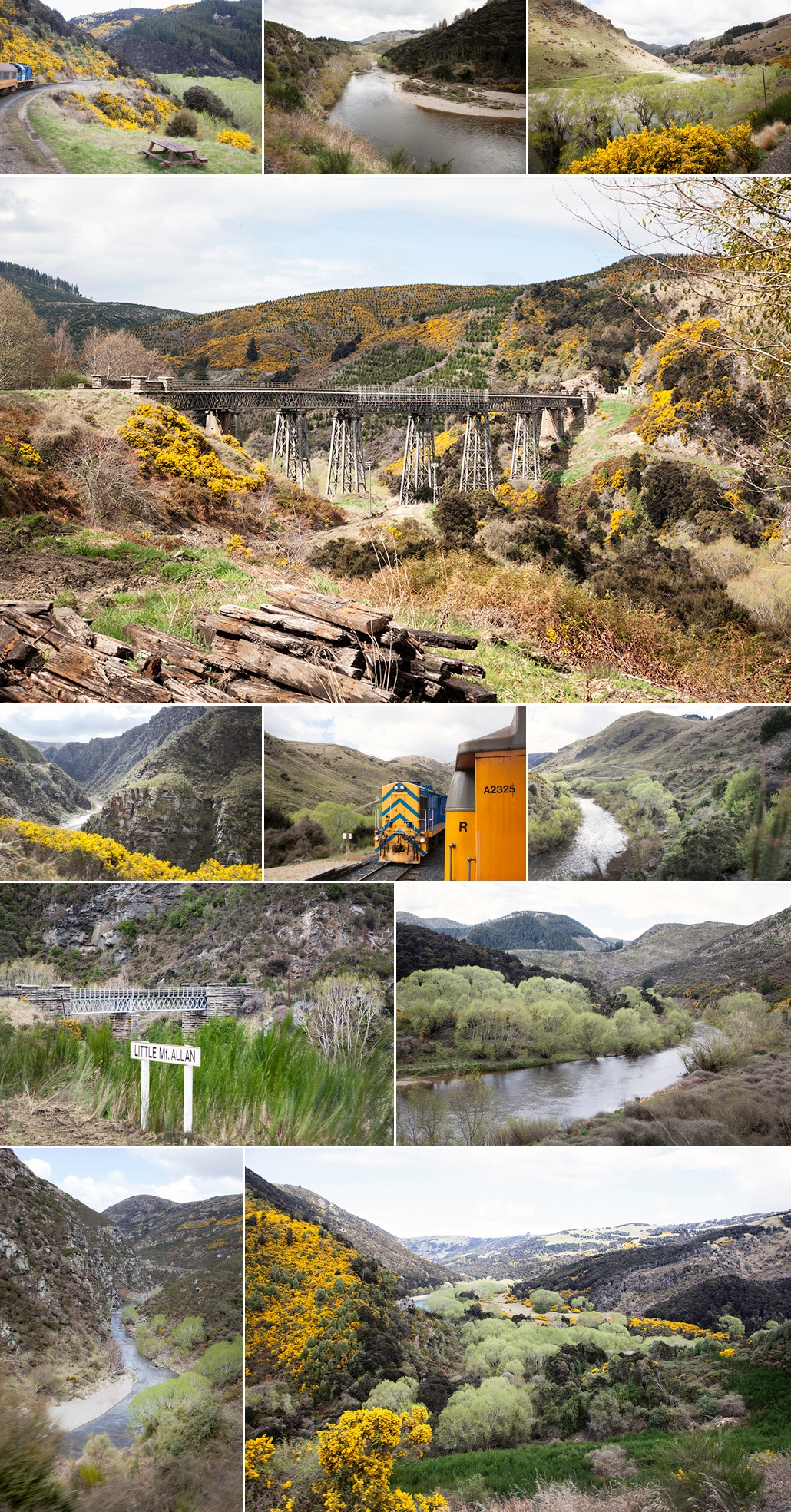
Dunedin Railways - montage

Photos by Jocelyn Watts, 2019.

***

Croquet clubs make for great travel destinations

HAVE you ever played croquet? No?! Well, it’s definitely time to add it to your bucket list!

While visiting the Queensland city of Bundaberg, members of the Bundaberg Croquet Club introduced me to the classic game, and I have to say, it was a lot of fun.

The club members were friendly and happy to show me basic moves of the game that date back hundreds of years.

Bundaberg Croquet Club president Jennifer Lee said not only was croquet a lot of fun, but it was also the perfect addition to any holiday, whether in Bundaberg or anywhere else.

“Whether playing on your own or with friends, croquet is a great way to enjoy leisurely days outdoors,” Jennifer said.

“It’s a fun and challenging game that can be enjoyed by people of all ages.”

A Brief History of Croquet

Croquet has been around for centuries, having become popular in Europe in the 1800s.

Its roots can be found in Ireland. The name “crookey” comes from crook + oy ( hooked stick).

A Dutch folktale mentions how players would use an indoor clay court with football-sized wooden balls and one metal ring to play Beugelen or Maillette–two different games that emerged in Europe as well.

Introduced to England by John Jaques, the game of croquet became an instant hit with middle-class attendees at The Great Exhibition of 1851.

Croquet played an important role in the lives of Victorian aristocracy, with many wealthy individuals building courts within their expansive estates.

Over time, different variations of the game developed for different audiences.

For example, there are now games specifically designed for children and seniors.

Today, the game remains a popular game enjoyed by all ages, and it is still associated with elegance and refinement.

The Bundaberg Croquet Club at 29 Quay Street, Bundaberg West, is as busy today as it was when it was founded in 1900.

croquet - postcard scene

A card depicting a game of croquet on the beach, by Lucien Tanquerey, 1910-1919, Wikimedia Commons.

How to play

Croquet is typically played on a lawn or other open space and involves hitting balls with mallets through hoops.

The game is relatively easy to learn, but it takes practice to master.

The basic rules are as follows:

  • Each player starts with two balls, and the first player to get both balls through all the hoops wins the game.
  • There are many different ways to score points, and players can also knock other players’ balls out of bounds.

Court etiquette

Croquet is an engaging sport that requires skill, strategy, and tact.

Whether you’re an experienced player or a newcomer just learning the rules, it is important to be mindful of the proper etiquette when playing a game.

Some basic tips for maintaining good etiquette on the court include following the correct order of shots, staying alert during your opponent’s turns, and knowing how to give and receive compliments.

With these simple guidelines in mind, you can ensure that every game is enjoyable, both for yourself and everyone else on the court.

The benefits of playing croquet

Croquet is a recreational activity that offers a wealth of benefits.

First, the game requires players to exercise both their bodies and their minds.

Whether you are playing singles or doubles, Croquet requires you to balance, coordinate your movement, and think strategically in order to succeed.

No matter your age, skill level or fitness level, you can enjoy the sport at your own pace while exercising your body.

Additionally, Croquet is a sociable activity that encourages good sportsmanship and interaction between players.

How to get involved

If you’re looking to get started with this exciting game, there are several ways to get involved.

One option is to find a club in your area and sign up for lessons or training sessions.

Another way to learn about the game is by watching instructional videos online.

You could also use resources like books, magazines, and other Croquet-related materials to gain a deeper understanding of the game.

Pack a Croquet set for your next trip

When planning your next trip, consider packing a Croquet set along with your other supplies.

Croquet is a great game to play while travelling throughout Australia.

It’s a great way to meet new people and can be easily set up and played in a variety of locations, wherever there is open space in parks or open areas.

To set up the game, simply place the hoops in a square formation, with each hoop placed about seven yards apart.

The first player then hits the ball through all the hoops, in order, before returning to the start point and hitting the ball through the hoops again.

Just be sure to wear sunscreen and stay hydrated on those hot days.

croquet - modern equipment

Modern croquet equipment. Photo by Winnywinn, 2008, Wikimedia Commons.

Visit Bundaberg Croquet Club

And, if you’re passing through Bundaberg, be sure to visit the Bundaberg Croquet Club and meet the friendly members who are keen to introduce new people to the game.

Visitors can play a casual game for just $10.

President Jennifer Lee said local members were always happy to help beginners, so you’ll be up and playing in no time.

There is also a clubhouse, which makes for a perfect place to relax after playing. It’s also available to hire for events.

Croquet is also the perfect way to enjoy the Australian sunshine and take in the beautiful scenery near the Bundaberg Croquet Club, right next to the picturesque Burnett River.

Who knows, you might just get hooked on this historic game and make some wonderful new friends.

To find out more about the club visit https://www.croquetqld.org/clubs/wide-bay-burnett/bundaberg-croquet-club, phone (07) 4152 8472, or email bundaberg@croquetqld.org

croquet - card depicting children

A card depicting children playing Croquet. Photographer unknown. Source: University of British Columbia Library. Wikimedia Commons.

Published May 2022

***

If you enjoyed this story, you might also enjoy reading:

A Croquet-lover’s Guide to Exploring the Wide Bay

***


Discover Cooktown in Far North Queensland

THERE’S no shortage of things to do at Cooktown, where in 1770 James Cook landed after his ship ran aground on the Great Barrier Reef.

The old adage “Seen one rainforest, seen ém all” certainly doesn’t apply.

Exploring Queensland’s Cape York Peninsula was just a blip on my travel radar until last December.

I’d already seen plenty of rainforests, so with many other exciting places beckoning, I figured if an opportunity arose to go to North Queensland, I’d go, but otherwise I wouldn’t make the effort.

An opportunity did arise after relatives moved to Cooktown in late 2014.

An airline company was offering cheap flights from Brisbane to Cairns, so that blip on my travel radar suddenly started beaming “visit me”.

I planned to make the trip before the 2016 wet season (January to March), but I’ve since learned the monsoon rains in summer renew wildlife spectacularly.

Waterfalls are also in full flow, so awesome photographic opportunities would have been greater than the month I chose, September 2015.

While Cooktown is accessible in a standard vehicle all year round, time was limited for my north Queensland jaunt, so I took a 45-minute flight from Cairns with Hinterland Aviation.

Cooktown is steeped in history dating from ancient Indigenous times, Captain James Cook’s landing on the bank of the Endeavour River in 1770, and the Palmer River Gold Rush of the late 1800s.

The town is located 28 kilometres north of Cairns.

  • This article may contain affiliate links and advertisements. If you click on these links, make a purchase, or share this content, we may earn a small commission at no extra cost to you. This helps us continue creating valuable content for you. Thank you for your support.

Top 11 things to do at Cooktown in pictures

Things to do at Cooktown - trees

1. Visit the botanic gardens.

Things to do at Cooktown - crocodile

2. Go crocodile spotting. The best time is during the dry season (July to December) on a low tide when they come out of the water to sun themselves on the river banks. Beware of venturing near the water on beaches and riverbanks where crocs view humans as prey.

Things to do in Cooktown - man at a waterfall

3. Visit the Trevathan Falls just south of Cooktown off the Mulligan Highway.


Things to do in Cooktown - river scene

4. Enjoy spectacular views of Cooktown, the Endeavour River and the Great Barrier Reef from the Grassy Hill Lookout and Lighthouse.


Things to do in Cooktown - Cherry Tree Bay

5. Hike from the Grassy Hill Road to Cherry Tree Bay, Cooktown’s most secluded beach fringed by rainforest and large rock formations.

Things to do at Cooktown - visit Black Mountain

6. Visit the mysterious Black Mountains 25km south of Cooktown on the Mulligan Highway. The mountains of grey granite boulders are culturally significant for the Kuku Yalanji people, and tales abound of people, horses and cattle disappearing, never to be seen again.


Things to do at Cooktown - visit the Lions Den Hotel

7. Have a beer in the Lion’s Den Hotel, built in 1875 on the banks of the Little Annan River. Surrounded by mango trees and rainforests, the historic hotel, built of timber and iron, is famous for its quirky interior.


Things to do at Cooktown - river scene

8. Take a sunset cruise along the Endeavour River.

Things to do at Cooktown - museum

9. Visit the James Cook Museum, located in the restored Sisters of Mercy convent school building, where artefacts from Captain James Cook’s ship Endeavour and diary extracts are housed. The museum also holds Indigenous Australian and Chinese displays.

Things to do at Cooktown - art gallery

10. See Indigenous Australian art, pottery and jewellery at the Wujal Wujal professional gallery near the Bloomfield River.

Things to do at Cooktown - fountain

11. Take a walking tour of the town to see the water fountain, Elizabeth Guzsely Gallery, history centres, Milbi (story) Wall, a statue of Mick the Miner and the interactive Musical Ship. James Cook’s tributes include a statue, a cannon and a monument marking the spot where Cook beached his Endeavour in 1770. Markets are on Saturday mornings near the bowls club.


***