
Hervey Bay Resort Approval Tests Growth vs Nature
FOR YEARS, coastal communities across Australia have walked a fine line between promise and pressure.
Growth brings jobs, investment, and the kind of amenity that keeps towns alive. It also places strain on fragile ecosystems, reshapes local character, and raises a simple but confronting question. Who benefits, and who carries the cost?
That tension sits at the heart of the newly approved Esplanade resort at Torquay in Hervey Bay.
Following a lengthy appeal process, the Planning and Environment Court has finalised its decision, approving the development subject to conditions negotiated between the Fraser Coast Regional Council, the developer, and the Wildlife Preservation Society of Queensland, Fraser Coast Branch.
It is not often that a development of this scale reaches a point of agreement after legal challenge. In that sense alone, this outcome stands apart.
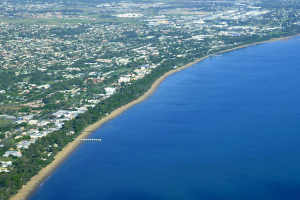
A broader view of the Hervey Bay coastline, where development and natural landscape meet.
What Changed After the Court Appeal
The Fraser Coast development itself remains substantial. A five-star hotel, residential apartments, and supporting retail and dining will still take shape along the Esplanade. Yet the version that has emerged from mediation is not the one first proposed.
Building heights have been reduced. The residential tower drops from 18 to 16 storeys, while the hotel tower has been cut more sharply, from 18 to 12. Design changes have been made. Lighting conditions have been tightened to reduce impact on the surrounding environment.
These adjustments matter. They reflect a process that has tested assumptions rather than simply endorsed them.
And that is where the broader significance lies.
Why This Outcome Matters Beyond Hervey Bay
Across Queensland and beyond, coastal development debates often fall into familiar patterns. One side argues for economic growth and regional opportunity. The other calls for protection of natural systems and community character. Both positions carry weight. Both can also become entrenched.
What we have seen in this case is something more constructive.
Under Queensland planning laws, community groups have the right to seek a review of decisions. That mechanism can be seen as an obstacle, particularly when projects are delayed or costs rise. Yet it also provides a pathway for scrutiny and improvement.
Here, that pathway led to change.
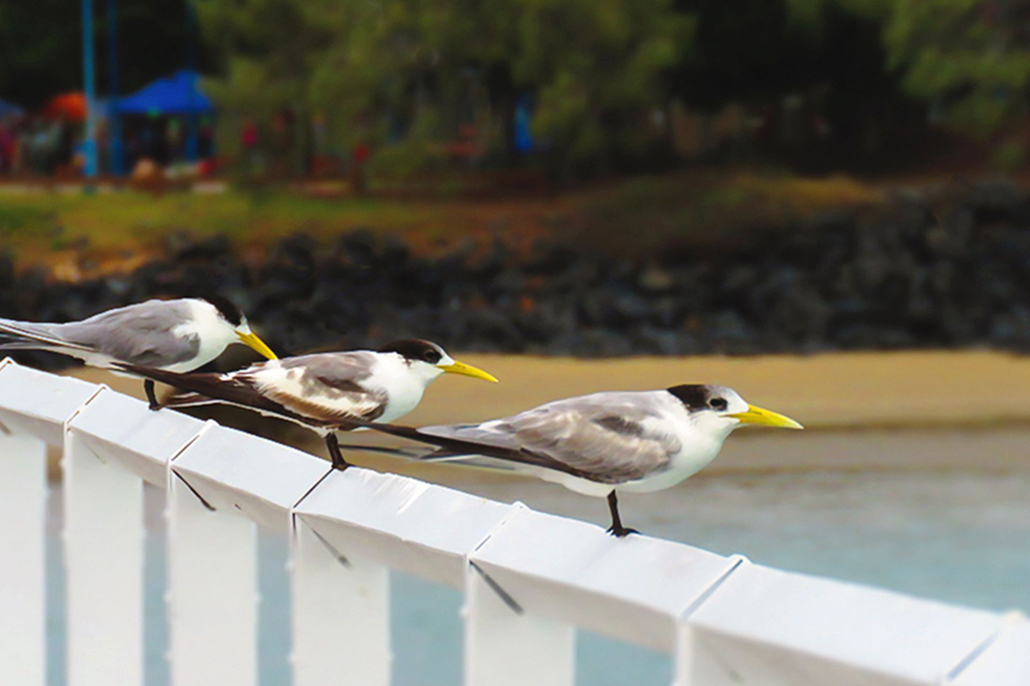
Birdlife is part of daily life on the Fraser Coast and a key consideration in coastal development decisions.
Development, Environment, and the Role of Mediation
The Wildlife Preservation Society of Queensland raised concerns that were taken seriously enough to reshape the proposal. Expert review and mediation followed. The final approval reflects those discussions.
It is worth acknowledging that outcome. Not as a victory for one side, but as evidence that the system can produce a more balanced result when all parties engage.
There is also a deeper layer to consider.
Sir David Attenborough has long argued that the natural world is not separate from human progress, but central to it. He has often described it as one of the greatest sources of beauty and inspiration. It is a perspective that resonates strongly in places like Hervey Bay, where the environment is not just a backdrop but a defining feature.
That makes decisions like this more than planning exercises. They shape how a region evolves and how its identity is preserved or altered over time.
What Happens Next Will Shape the Outcome
A development of this scale will inevitably change the Esplanade. It will bring new visitors, new energy, and new expectations. It may also alter how the coastline feels for those who live there and for the wildlife that depends on it.
The revised conditions, particularly around height and lighting, are intended to soften that impact. Whether they succeed will not be determined in a single moment. It will be measured over years, in how the development sits within its surroundings and how well its effects are managed.
That responsibility now shifts to the next stage.
Detailed design, construction approvals, and operational planning will determine how closely the finished project aligns with the intent of the Court’s conditions. This is where good intentions are either realised or diluted.
So where does that leave the community?
First, there is reason to recognise the effort involved. The Council, the developer, and the Wildlife Preservation Society of Queensland have each contributed to a process that has reached agreement rather than stalemate. That is no small achievement.
Second, there is a cautious sense of balance. The core of the development remains, but it has been shaped by environmental considerations that might otherwise have been overlooked or underplayed.

The lifestyle that draws people to places like Hervey Bay remains at the heart of the growth conversation.
Can Growth and Nature Truly Co-Exist?
Finally, there is a shared stake in what comes next.
Hervey Bay’s appeal has always rested on more than infrastructure. It lies in its open spaces, its wildlife, and the slower pace that draws people in the first place. Any new development must work within that context if it is to enhance rather than erode what makes the area distinctive.
The hope now is that this project can do just that.
That a five-star resort and the natural environment can exist side by side. That visitors can arrive for the amenity and stay for the landscape. That economic growth and environmental care do not have to be opposing forces, but can, with careful planning, support one another.
It is an outcome built on compromise. Whether it becomes a success story will depend on how that compromise is honoured in the years ahead.