
Sales Pitches: Why Body Corporate Buyers Need to Do Their Homework
BY THE time most people buy into a townhouse or apartment complex, they’ve already fallen a little bit in love.
Maybe it’s the neat courtyard. The promise of “low-maintenance living”. The lake views. The idea of morning walks, coastal breezes and a simpler lifestyle.
And fair enough too. Body corporate living can be wonderful.
But after several years serving as secretary of a Queensland townhouse complex, I’ve learnt something else: buyers sometimes hear a version of the truth during inspections that doesn’t always survive contact with reality.
Not always deliberately. Not always maliciously. But enough that prospective buyers should slow down and do proper due diligence before signing anything.
I’m not a lawyer. I’m simply sharing lived experience from the committee side of body corporate living. This article is general information only and should not be relied upon as legal advice.
In my particular complex, sound travels surprisingly well across partition walls. What’s usually peaceful morning cuppa territory occasionally turns into an unintended front-row seat to property sales pitches drifting over the wall.
And honestly? I’ve heard some beauties.

A prospective buyer walks through a modern townhouse or apartment complex with a real estate agent during a property inspection.
One prospective buyer was told they could enjoy leisurely walks around the “natural lakes” on adjoining land beside the complex.
The problem?
That land was earmarked for future residential development and already had signs on the fencing warning: Trespassers Will Be Prosecuted.
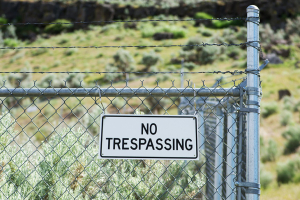
A no trespassing sign attached to fencing near undeveloped land, highlights the importance of checking neighbouring property and future development plans before buying.
Another inspection involved discussion about a mango tree supposedly available for the buyer to enjoy once they moved in. Apparently a tree-identifying app had confirmed it was mango.
Small issue: the tree allegedly sat on the neighbouring land awaiting development, but there was no mango tree within cooee.
Then came the body corporate levies conversation.
A prospective buyer was reportedly told levies had recently changed and gone down by around $400 a year.
That statement was followed by a slightly nervous disclaimer:
Don’t hold me to that. I had a look just before I came here to get the latest information — we have to do that — and that’s what it looks like.
The reality?
Levies had actually increased by roughly $400 annually.
Was it dyslexia? A rushed glance at paperwork? An honest mistake? I genuinely don’t know.
But if you’re a buyer making major financial decisions, those details matter.
- Jocelyn Magazine is filled with ideas for coastal living, travel, downsizing, healthy eating and creative pursuits. If we inspire your next purchase through links in this email, we may receive a small commission, at no extra cost to you.
The Problem With “Sounds About Right”
Real estate inspections move quickly.
Agents are juggling questions, trying to build enthusiasm and keep momentum going. Buyers are trying to imagine themselves living there. It’s easy for casual comments to take on the weight of fact.
That’s why buyers should independently verify anything important, especially in body corporate properties, where the fine print can dramatically affect your lifestyle and finances.
Under Queensland law, buyers of body corporate properties are entitled to important disclosure information before signing contracts. The Queensland Government says a body corporate certificate contains information buyers need “to make an informed decision about your purchase”.
The seller must also provide relevant body corporate documentation, including access to the community management statement (CMS).
In other words: don’t rely solely on verbal conversations during inspections.
Why Body Corporate Due Diligence Matters
If you’re buying into a body corporate, here are a few things worth investigating yourself.
1. Confirm the Levies in Writing
Never rely on verbal estimates.
Ask for:
- Current administrative fund levies
- Sinking fund levies
- Any special levies proposed or under discussion
- Levy discount arrangements and due dates
If possible, compare current levies against previous AGM paperwork to identify increases or looming costs.
A complex with suspiciously low sinking fund balances may be facing future levy hikes.
2. Read AGM Minutes, Carefully
This is where the real story often lives.
AGM and committee minutes can reveal:
- Water ingress issues
- Structural problems
- Legal disputes
- Neighbour conflicts
- Upcoming maintenance
- Insurance concerns
- Defects reports
- Repeated complaints
Sometimes complexes look immaculate during inspections while wrestling with expensive long-term issues behind the scenes.
3. Drive Around the Entire Block
Not just the pretty side shown during the inspection.
Look for:
- Development applications
- Vacant land earmarked for construction
- Noise sources
- Drainage problems
- Commercial activity nearby
- “Future development” signage
- Flood-prone areas
- Temporary fencing and survey markings
If neighbouring land looks untouched, don’t assume it will stay that way.
4. Understand What You Actually Own
This catches many buyers out.
In body corporate schemes, ownership boundaries can become surprisingly complicated.
You may not own:
- External walls
- Some courtyards
- Driveways
- Utility infrastructure
- Gardens
- Fencing
Exclusive use areas don’t necessarily mean exclusive ownership.
Read the Community Management Statement carefully.
5. Check Body Corporate Records
Queensland buyers can request access to records and certificates relating to the body corporate.
That paperwork may reveal:
- Insurance claims
- Defect disputes
- Engineer reports
- Arrears problems
- Contractor disputes
- Correspondence about ongoing issues
It’s not exactly thrilling bedtime reading, but it can save buyers from expensive surprises later.
What If You Think You Were Misled?
This is where things become murkier.
Under Queensland’s Property Occupations Act 2014, real estate agents must not make false or misleading representations relating to property sales.
Australian Consumer Law also prohibits misleading or deceptive conduct in trade or commerce.
But determining liability depends heavily on:
- What was actually said
- Whether it can be proven
- Whether the seller knew information was false
- Whether the agent relied on incorrect information
- Whether written disclosures contradicted verbal statements
That’s one reason written evidence matters so much.
If you discover serious discrepancies after settlement:
Start by documenting everything
Keep:
- Emails
- Advertising screenshots
- Inspection notes
- Text messages
- Contracts
- Disclosure documents
Contact your conveyancer or solicitor
A property lawyer can advise whether there may have been misleading conduct or disclosure failures.
Contact the Office of Fair Trading
In Queensland, complaints involving real estate agent conduct may be directed to the Office of Fair Trading.
What About the Body Corporate?
This part surprises some new owners.
The body corporate itself is usually not responsible for things a real estate agent may have said during a private sale inspection.
The body corporate’s responsibilities generally relate to:
- Common property management
- Maintenance obligations
- Records
- Insurance
- Governance
It is not normally the body corporate’s role to police sales conversations between agents and prospective buyers.
That said, once you become an owner, you do gain rights to inspect records, raise concerns and participate in the governance of the scheme.
A Few Final Thoughts
Most real estate agents are hardworking professionals doing their best in a fast-moving environment.
But buying property, particularly in a body corporate, is too important to rely on optimism, assumptions or casual comments made during a 20-minute inspection.
If something sounds vague, double-check it.
If something sounds too good to be true, definitely double-check it.
And if you hear promises about peaceful natural outlooks, future mango harvesting rights and mysteriously shrinking levies?
Maybe take a slow drive around the block before signing on the dotted line.

Morning coffee beside a notebook overlooking water, symbolising reflection and lived experience in body corporate and small-space living.
Disclaimer: This article is general information only and does not constitute legal, financial or property advice. Readers should seek independent professional advice relevant to their own circumstances. The author is not a lawyer and writes from personal lived experience as a body corporate committee member and secretary.
Helpful Resources
- Queensland Government – Buying a body corporate property
- Queensland Government – Selling a body corporate property
- Queensland Government – Accessing body corporate records
- Queensland Property Occupations Act 2014
Thinking About Buying Into a Body Corporate?
Before signing a contract, it helps to know what questions to ask, and what documents to check.
Subscribe to the Jocelyn Magazine newsletter and receive the free Body Corporate Health Check, a practical checklist designed to help buyers spot potential red flags before they commit.
👉 Download the free checklist and stay updated with future stories from Common Ground, exploring townhouse living, body corporate realities and small-space lifestyles in modern Australia.
About the author
With several years’ experience as a body corporate secretary, Jocelyn brings a practical, real-world perspective to buying and living in townhouse and apartment complexes.
✨ Create a Space That Works for You
Townhouse and apartment living often comes down to making your space both practical and comfortable. A few thoughtful additions can make a real difference to how a home feels day to day.
If you’re settling into a smaller space or simply refining your surroundings, these partners offer a range of ideas worth exploring:
→ Mica Lighting
Beautiful lighting can help smaller rooms feel warmer, brighter and more inviting.
→ Newentor AU
From mattress toppers to dehumidifiers and portable air conditioners, practical comfort for everyday living.
→ Tefal Australia
Well-designed cookware and appliances can make compact kitchens easier and more enjoyable to use.
→ Kakadu Plum Co.
Natural Australian flavours and pantry staples to add something special to everyday meals.
→ Lazy Tiles
Stylish peel-and-stick tiles designed to refresh kitchens, bathrooms and small spaces without the renovation drama.
- Jocelyn Magazine is filled with ideas for coastal living, travel, downsizing, healthy eating and creative pursuits. If we inspire your next purchase through links in this email, we may receive a small commission, at no extra cost to you.