Tag Archive for: self-care

Cooking for Recovery: The Healing Power of Food

FOOD plays an important role in recovery, whether it’s from an illness, surgery, or just a rough patch in life. It’s not just about fuelling your body; it’s about nourishing your soul too.

I’ve always been inspired by the idea of making hospital food both nutritious and delicious. It’s a reminder that food can bring joy, even when you’re not at your best. Combine that with the science-backed principles of the CSIRO Total Wellbeing Diet, and you’ve got a recipe for truly transformative meals.

Food isn’t just about getting by; it’s about thriving. That’s why I’m keen to explore how the love for flavourful, wholesome meals and the CSIRO’s focus on balanced nutrition can work together to support recovery. Whether you’re cooking for yourself or someone else, there are easy ways to create meals that truly heal.

Affiliate Disclosure: Some links in this article are affiliate links. If you purchase through them — including selected books via Amazon Australia — I may receive a small commission. It doesn’t cost you anything extra, and it helps support the ongoing work behind Jocelyn Magazine.


The Power of a Good Meal

Cooking for Recovery - Hospital staff serving a man food.

There’s a growing push for nutritious, enjoyable meals in aged care and hospitals, proving that good food can make all the difference.

Think about the last time you were sick or feeling low. Did a steaming bowl of soup or a perfectly ripe piece of fruit lift your spirits? That’s the magic of food.

Hospital food, though, doesn’t have the best reputation—it’s often bland, overcooked, and uninspiring. But why shouldn’t it be as good as what you’d serve at home, or even better? Good food has the power to brighten even the toughest days.

The CSIRO Total Wellbeing Diet takes this a step further, focusing on meals that aren’t just delicious but also scientifically designed to support health. When you combine flavourful, wholesome cooking with evidence-based nutrition, you’re not just nourishing the body—you’re feeding the mind and spirit too.

What Makes a Meal Healing?

Recovery is hard work for your body, and it needs the right fuel to get the job done. Here are a few key nutritional elements that are essential:

  1. Protein for Repair and Strength

Protein is essential for repairing tissues and building strength, both of which are vital during recovery. Think lean meats, fish, eggs, and legumes—simple ingredients that can be transformed into something exciting. For example, a herb-crusted salmon is a delicious, nutrient-packed dish that proves healthy food doesn’t have to be boring.

  1. Vitamins and Antioxidants for Immunity

Fresh fruits and veggies are packed with vitamins and antioxidants that give your immune system a boost. Using seasonal produce makes the most of their flavour and nutrition. Think a vibrant roasted veggie tray or a simple berry compote—both can work wonders for recovery and taste amazing too.

  1. Healthy Fats for Energy

Recovery can be exhausting, and that’s where healthy fats step in. Foods like olive oil, nuts, and avocados offer lasting energy while tasting fantastic. A drizzle of olive oil dressing over a fresh salad is a simple yet delicious way to include them in your meals.

  1. Low GI Carbs for Sustained Strength

Low GI carbs, like barley and sweet potatoes, provide steady energy without the blood sugar rollercoaster. They’re a key part of the CSIRO Total Wellbeing Diet and can be turned into comforting dishes like a hearty barley risotto or sweet potato bake.

Recipes for Recovery
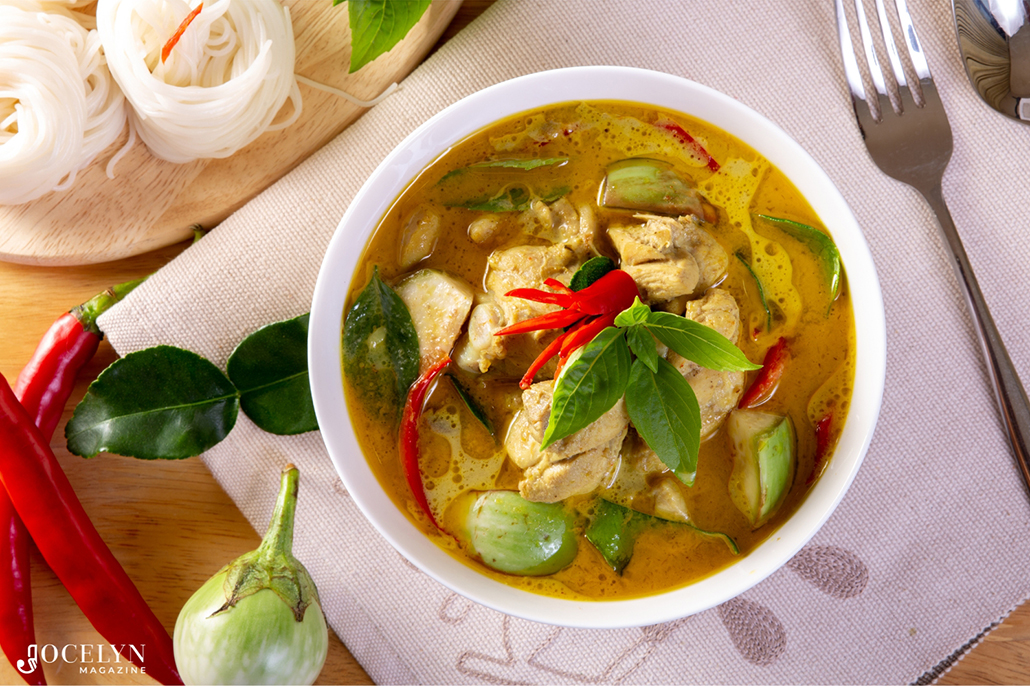
Cooking for Recovery - chicken soup

It’s hard to beat a warm bowl of chicken soup when you’re feeling under the weather.

If you’re wondering what these ideas look like on a plate, here are some examples of meals that are both nutritious and comforting:

  • Comforting Chicken Soup with Seasonal Greens

    There’s nothing like chicken soup when you’re under the weather. This version features a generous mix of seasonal greens, such as spinach or kale, along with a squeeze of lemon for added zest. It’s a perfect blend of fresh ingredients and the CSIRO’s focus on nutrient density.

  • Barley and Roast Pumpkin Salad

    This hearty salad combines the nutty flavour of barley with the sweetness of roasted pumpkin. Add a sprinkle of toasted seeds and vinaigrette, and you’ve got a meal that’s satisfying and packed with slow-releasing energy.

  • Stewed Apples with Vanilla and Almond Crumble

    Recovery doesn’t mean skipping dessert. Stewed apples are soft, sweet, and easy to digest, while the almond crumble adds a dose of healthy fats. It’s a comforting dish that feels like a warm hug on a plate.
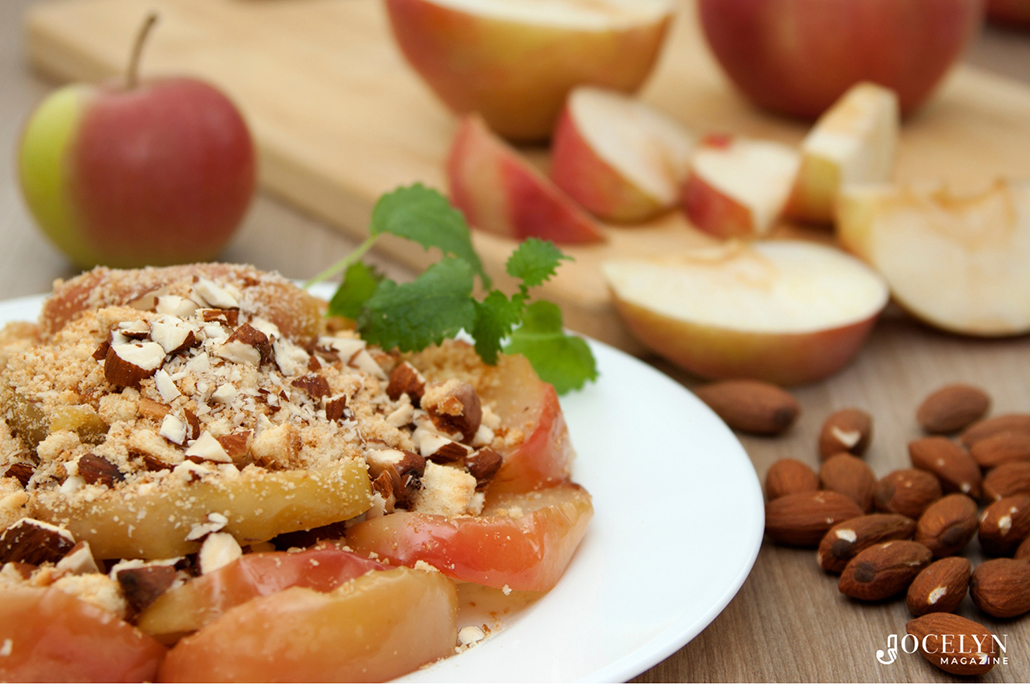
    Cooking for Recovery - stewed apples

    Recovery never tasted so sweet—stewed apples with almond crumble—a warm hug on a plate.

Food and Emotional Recovery

Let’s not forget the emotional side of food. When you’re recovering, meals can do more than nourish your body; they can uplift your mood. We often hear experts talk about the emotional connection we have with food. A meal that’s thoughtfully prepared can remind you of home, loved ones, or better times—and that’s powerful.

Even small touches can make a big difference. Adding a sprinkle of fresh herbs, serving food on a beautiful plate, or just taking the time to sit and enjoy your meal can turn eating into an act of self-care. It’s these little things that help make the recovery process feel a bit more manageable.

Bringing It Home

You don’t need to be a professional chef or have a fridge full of fancy ingredients to cook for recovery. Start with what you have and keep it simple. The key is to focus on fresh, wholesome foods that are packed with nutrients, and don’t skimp on flavour. The CSIRO diet proves that healthy eating doesn’t have to be boring.

If you’re cooking for someone else, remember that the effort you put in speaks volumes. A thoughtfully prepared meal says, “I care about you” in a way that words sometimes can’t. And if you’re cooking for yourself, it’s an act of self-love that helps your body heal, and your spirit stay strong.
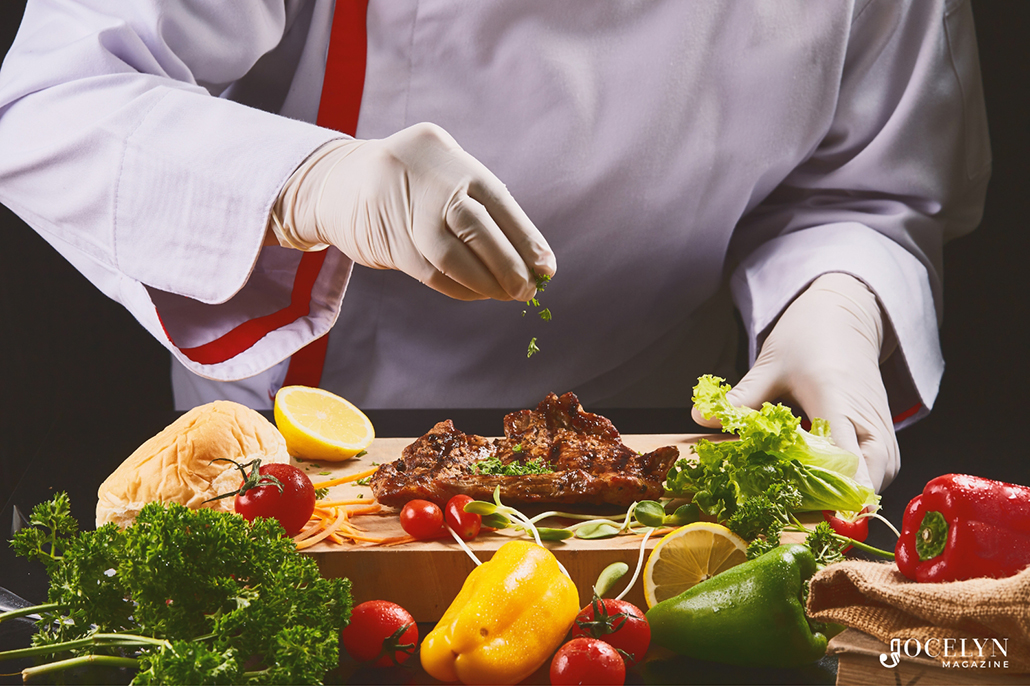
 

Cooking for recovery - chef cooking

Comfort food with a healing touch—because recovery should always taste good.

***

A Note on the CSIRO Total Wellbeing Diet

The CSIRO Total Wellbeing Diet affiliate program is closing on 23 February 2026, and as a result, I’ve removed direct program links from this article.

While I’m no longer linking to the online program itself, the principles behind the CSIRO approach — balanced eating, higher protein, practical science-backed nutrition — still inform much of what I share here on Jocelyn Magazine.

If you’d like to explore the CSIRO’s published work, their books remain available through Amazon here:

CSIRO Books on Amazon Australia

As always, I only share resources I’ve personally found useful — and I appreciate you being part of the journey as this space continues to evolve.
Why Life Balance Matters More Than Ever in 2025

THE YEAR was 2008, and as a senior journalist for the Fraser Coast Chronicle, I thrived on uncovering truths and giving voice to the voiceless. It was a life full of stories, deadlines, and the occasional adrenaline rush that came with landing a front-page story. But behind the scenes, my own story was quietly spiralling.

One particular assignment sticks in my mind—a review of a naturopath’s new technology that measured biological age. I was horrified to learn that my biological age was 22 years older than my chronological age, reflecting the state of my body. Erratic basal body temperatures were just the beginning. The naturopath urged me to see a doctor. The diagnosis? Hyperthyroidism, triggered by Graves’ disease and exacerbated by relentless stress.

In hindsight, the signs were glaring. A rapid heartbeat? I chalked it up to excitement. Dramatic weight loss? Surely a result of training with Masters Swimming. What I missed was the pattern: every swim competition left me in a three-day meltdown, my body unable to recover from the adrenaline crash. As it turns out, hyperthyroidism speeds up your body’s metabolism, creating symptoms that can feel like an adrenaline rush, leaving you on a constant high and unable to rest.

The Cost of Ignoring Balance

The media industry was exhilarating, but its demands—night shifts, weekends, public holidays—were out of sync with my husband’s more traditional work schedule. Our debts meant quitting wasn’t an option, but my body was sending distress signals loud and clear. I vowed to find balance, even if it meant reshaping my career.

Two years later, I took a leap of faith and bought an established photography business, aligning my work with a passion I’d harboured since childhood. On Christmas Eve 2010, I bid farewell to journalism, eager to embark on a fresh start. Within two years, I was off medication for hyperthyroidism, a victory I celebrated with cautious optimism.

But life isn’t always straightforward. The photography business came with its own set of challenges: weekend work, long nights editing, and a new kind of exhaustion. Ultimately, I transitioned into corporate communications—a better fit, until three redundancies due to corporate restructures over five years forced me to repeatedly reimagine my life.

It was during this time that my husband died by suicide, an event that reshaped my world in ways I’m still grappling with today. Grief and career turbulence collided, teaching me a lesson I’ll never forget: you can’t pour from an empty cup!

Burnout in the Digital Age

Fast forward to 2025, and the need for balance is more pressing than ever. The COVID pandemic reshaped our lives, but it also left us with a culture of hyper-connectivity. Economic pressures push us to hustle harder, while the “always-on” mentality creeps into every aspect of life.

The statistics are sobering. Suicide rates in Australia are alarmingly high, with stress often a key factor. Beyond the personal toll, burnout costs businesses billions annually in lost productivity and healthcare expenses. Yet, for many of us, slowing down feels impossible.

As John Purkiss so aptly writes in The Power of Letting Go: How to Drop Everything, “When we let go of the idea that we have to do everything ourselves, life becomes much easier.” It’s a simple truth that many of us forget amid the chaos.

Finding Life Balance

For me, balance has been a lifelong work in progress. It’s about recognising when to step back, prioritise rest, and say no—even when it feels like you can’t. Here are a few strategies that have helped me, and might just work for you:

  1. Set Boundaries: Whether it’s work emails or social media, draw a line. The world won’t end if you don’t reply immediately.
  2. Move Your Body: Exercise isn’t just for physical health—it’s a mental game-changer. Even a short walk can do wonders.
  3. Embrace the Power of “No”: Saying no is a skill, not a weakness. Protect your time and energy.
  4. Seek Help When Needed: Whether it’s therapy, a trusted friend, or a supportive community, don’t be afraid to reach out.

The Lesson

Looking back, my journey has been a winding road of mistakes, adjustments, and lessons learned the hard way. The biggest takeaway? Balance isn’t a luxury—it’s a necessity. It’s not just about avoiding burnout; it’s about living a life that feels whole and meaningful.

Today, I run this website, which aligns with my passions and offers me the flexibility I need. But even now, I have to remind myself to check in, step back, and recalibrate. Balance isn’t something you achieve once; it’s something you cultivate daily.

Taking Steps Towards Balance

So, I ask you this: When was the last time you paused? Truly paused. Not to scroll or binge-watch, but to breathe, reflect, and simply be. If you’re struggling to find balance, take one small step today—a walk, a phone call, a moment of stillness.

Because life is too precious to spend it drowning in stress. Let go of the pressure to do it all. Start with what matters most: your wellbeing.

Feeling down? Help is just a phone call away!

If you or anyone close to you is distressed or experiencing an emergency, call Triple Zero (000) as soon as possible.

Counselling support services include:


Jocelyn Watts is a writer, photographer, and indie publisher based on Queensland’s Fraser Coast. She shares stories on lifestyle, travel, and nature at Jocelyn Magazine.

Published 19 March 2025

DIY Ideas for Your At-Home Spa Day

IN TODAY’S busy world, it’s easy to forget the importance of taking time for yourself. Relaxation and self-care are vital for maintaining both physical and mental well-being, yet they often take a back seat to everyday responsibilities. That’s where an at-home spa day comes in—a perfect way to unwind and recharge without leaving the house.

You don’t need a fancy spa or an expensive treatment to feel pampered. With a few simple changes to your environment, you can transform your space into a personal oasis of calm. The goal is to help you create a relaxing, spa-like experience at home, using easy DIY ideas that will leave you feeling refreshed and rejuvenated.

So, let’s dive into how you can make this happen with quick tips on setting the mood, decluttering your space, gathering essential supplies for a blissful spa day, incorporating mindfulness, and indulging in self-care rituals.

*Jocelyn Magazine partners with travel and lifestyle advertisers, including Amazon Australia, earning small commissions from qualifying purchases through our links. These funds support the magazine’s publication and the creation of inspiring content for our readers.

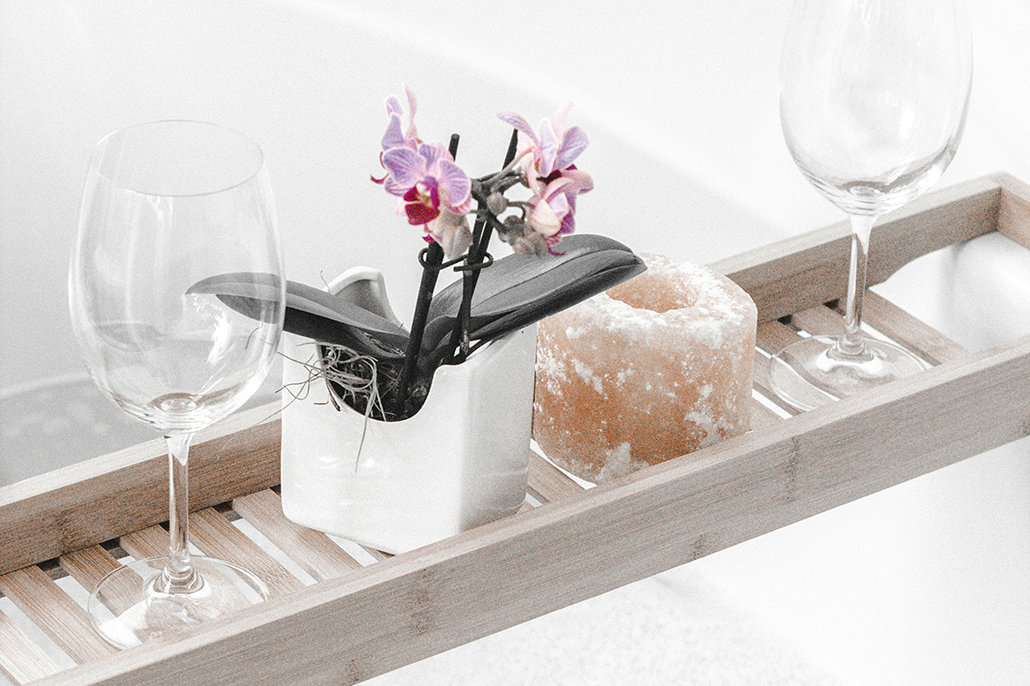
At-home spa day - bath tray with candle, orchid and wine glasses.

Unwind in luxury: Create the perfect at-home spa day with a relaxing bath, soothing candlelight, and a touch of indulgence.

Prepare to Relax and Recharge

There’s nothing quite like a spa day to help you unwind. With a few easy DIY treatments, you can pamper yourself and experience all the benefits of a luxurious spa day right in your own space. Here’s how to create the ultimate experience.


Set the Mood

Start by setting the scene. Soft lighting can work wonders, so dim the lights or light a few candles. Essential oils like lavender or eucalyptus can help create a calming atmosphere. Don’t forget to choose some soothing music or nature sounds—think gentle waves or forest birds—to enhance your relaxation.

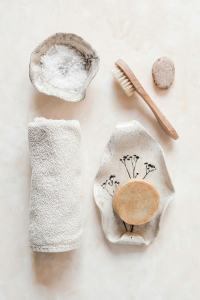
at-home spa day - gather supplies

Declutter Your Space

A cluttered space can lead to a cluttered mind. Before you dive into your at-home spa day, take a few minutes to clear away any mess. Tidy up surfaces and put things back in drawers. You’ll be amazed at how much more peaceful a clean environment can feel.

Gather Supplies

The last thing you want is to interrupt your pampering session because you’ve forgotten something. So, gather all your essentials in advance: fluffy towels, a cosy bathrobe, and comfy slippers are a must. Depending on your plans, you might also want a face mask, body scrub, or a soothing bath soak. With everything ready, you can fully focus on unwinding.

Now that you’re all set, it’s time to switch off your phone, sit back, and let the relaxation begin.

DIY Spa Treatments for the Ultimate Relaxation

Let’s explore how to create soothing bath rituals, refreshing face masks, and rejuvenating body scrubs—all from the comfort of your own home.

Soothing Bath Ritual

A hot bath can be one of the most effective ways to release stress and relax your muscles. To elevate your experience, why not create your own bath salts?

Mix 1 cup of Epsom salt, 10 drops of your favourite Essential oil (like lavender or eucalyptus), and a tablespoon of dried herbs or flowers like chamomile or rose petals. Epsom salt is known for its ability to soothe sore muscles, improve circulation, and relieve tension.

To make the bath even more special, consider adding a bath bomb for some fizz or a few drops of lavender oil to promote a calming atmosphere. Light some candles, dim the lights, and let the warmth of the water melt away your worries.

DIY Face Masks

at-home spa day: lady in a bath tub with a face mask.

Indulge in a blissful bath with a rejuvenating face mask.

Why not treat your skin while you’re relaxing in the bath? Here are three DIY face mask recipes tailored to different skin types:

  • Hydrating Mask (for dry skin): Mash half an avocado, add 1 tablespoon of honey and 2 tablespoons of plain yoghurt. This mask is packed with nourishing ingredients to hydrate and soften your skin.
  • Purifying Mask (for oily/acne-prone skin): Mix 1 tablespoon of bentonite clay with 1 teaspoon of apple cider vinegar and 2 drops of tea tree oil. This mask works wonders in drawing out impurities and controlling excess oil.
  • Brightening Mask (for dull or tired skin): Blend 1 tablespoon of ground oats, a pinch of turmeric, and 2 tablespoons of milk. The oats exfoliate, turmeric brightens, and the milk provides a natural glow.

To apply, cleanse your face and pat it dry before spreading an even layer of the mask across your skin. While the mask works its magic, close your eyes and take a few deep breaths to fully relax. Rinse off with warm water after 10–15 minutes.

Body Scrub for Smooth Skin

For silky smooth skin, try a homemade body scrub. Combine ½ cup of sugar (or ground coffee) with ¼ cup of coconut oil. Gently scrub your skin in circular motions to remove dead cells and boost circulation. Pay extra attention to rough areas like elbows and knees. Rinse off in the shower and enjoy how smooth and refreshed your skin feels.

With these DIY spa treatments, you’ll feel like you’ve just stepped out of a luxury spa—without the price tag!

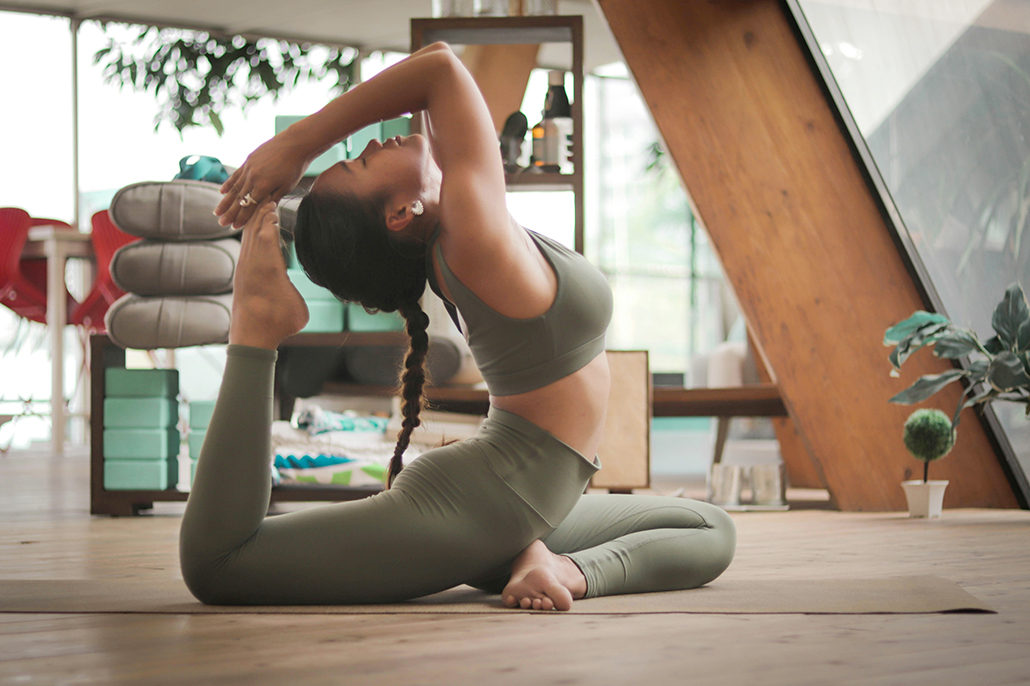
at-home spa day - woman doing yoga at home.

Elevate your at-home spa day with mindful yoga and relaxation.

Incorporate Mindfulness and Relaxation Techniques

A spa day is about more than just pampering your body; it’s also the perfect opportunity to relax your mind and reduce stress. By incorporating mindfulness and relaxation techniques into your at-home retreat, you can enhance your experience and leave feeling truly rejuvenated. Here are some simple ways to achieve that balance.

Breathing Exercises

Mindful breathing is one of the most effective ways to relieve stress and tension. Deep belly breathing, also known as diaphragmatic breathing, can help calm your nervous system and bring you into the present moment. To try it, sit or lie comfortably and place one hand on your chest and the other on your belly. Inhale deeply through your nose, letting your belly rise, then slowly exhale through your mouth. Repeat for a few minutes, focusing entirely on the rise and fall of your breath.

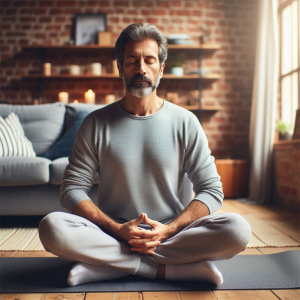
at-home spa day - man practicing mindfulness.Meditation or Visualisation

Including a short meditation session can take your spa day to the next level. Whether you follow a guided meditation or practise visualisation, these techniques help clear your mind and promote a sense of peace. Close your eyes and picture a serene landscape, like a beach or forest, and imagine yourself there, breathing in the tranquillity. Meditation during your spa day allows you to fully embrace the moment, leaving you feeling more grounded.

Stretching and Gentle Yoga

Incorporating gentle yoga or stretches into your spa day can help release physical tension. Focus on beginner yoga poses that target areas where stress often accumulates, such as the neck, shoulders, and back. Simple poses like Child’s Pose, Cat-Cow, and neck stretches are easy to do and can significantly boost relaxation.

With these mindfulness practices, your at-home spa day can be a truly holistic experience, helping you relax both body and mind.

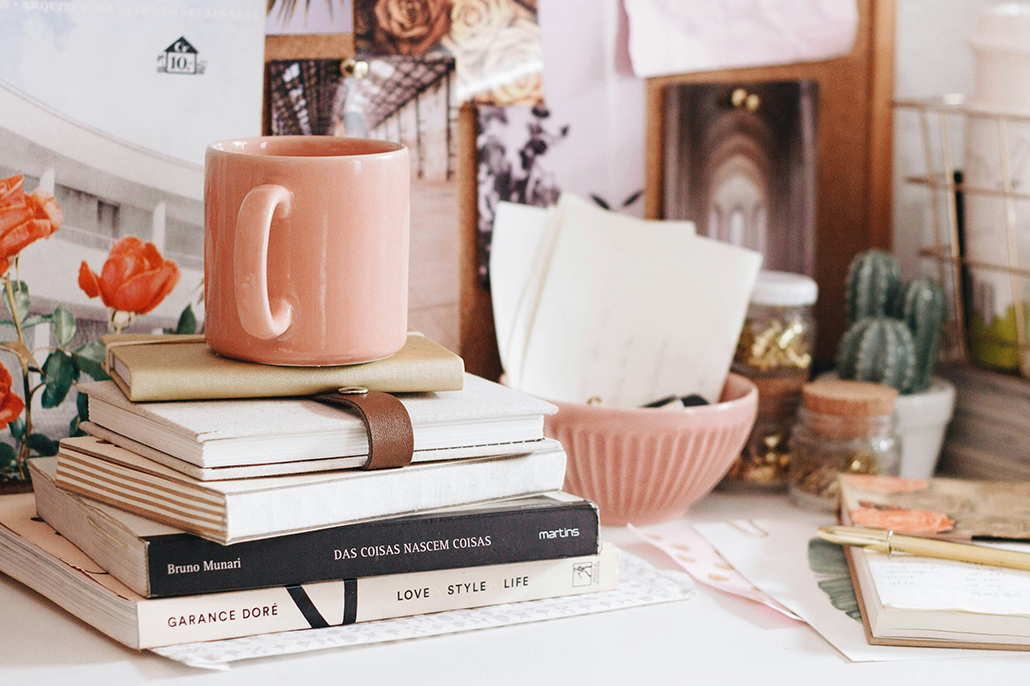
At-home spa day: extend the relaxation with herbal tea and books.

Extend the calm: Unwind with herbal tea and a good book to nourish body and mind after your at-home spa day.

Indulge in Self-Care Rituals Post-Spa

The relaxation doesn’t have to end once your spa treatments are complete. Post-spa rituals are a great way to keep the calm and continue nourishing your body and mind. Here are a few self-care steps to extend your pampering session.

Moisturising and Skin Care

After a soothing bath or treatment, your skin needs hydration to stay soft and glowing. Moisturise immediately using a rich lotion or body butter. For an extra indulgence, try making a DIY body oil using coconut or sweet almond oil mixed with a few drops of Essential oils like lavender or rose. This will lock in moisture and leave your skin feeling silky smooth.

at-home spa day - drink herbal tea

Nourishing Snacks or Herbal Teas

Nourish your body from the inside by preparing some healthy snacks to enjoy after your treatments. Fresh fruit, nuts, or even a small smoothie are great options. Pair them with a calming herbal tea—chamomile, peppermint, or green tea—to hydrate and promote relaxation. Proper hydration and nutrition are key to feeling your best during self-care.

Comfort and Rest

Create a cosy, restful spot to unwind further. Gather soft blankets, cushions, and perhaps a good book or calming playlist. Taking the time to lounge and relax after your spa treatments allows you to fully absorb the benefits and extend the soothing effects, helping your body and mind to continue unwinding.

These simple rituals will help you make the most of your at-home spa experience, leaving you fully refreshed and recharged.

Unwind and Recharge with Those Simple At-Home Spa Day Tips

To create a DIY at-home spa day is a wonderful way to unwind, recharge, and take care of your body and mind. By using simple, cost-effective ideas like soothing baths, DIY face masks, and mindfulness techniques, you can easily transform your home into a personal sanctuary whenever you need a break.

Remember, self-care is essential for maintaining mental and physical well-being. It doesn’t have to be extravagant or time-consuming—just a few hours dedicated to yourself can make a big difference in how you feel. Make time regularly to indulge in these calming rituals and enjoy the lasting benefits they bring.

Taking care of yourself isn’t a luxury; it’s a necessity. So go ahead, embrace the power of self-care, and prioritise your relaxation and wellness. You deserve it!

Published 6 October 2024. Photos sourced from UpSplash and Bing AI Image Generator.


Aromatherapy enhances your wellbeing

Aromatherapy is an ancient method of using the sense of smell to promote feelings of calmness, balance, peace, and harmony in people’s lives.

However, it was not until the 1920s that it got this name as we know it today. Aromatherapy uses essential oils to enhance a therapeutic feeling in your body and mind, and can help both your physical and emotional wellbeing.

Aromatherapy has gained much recognition in science and medicine today. Even though this form of therapy is almost a thousand years old, many modern ways of reaping its benefits have emerged.

In this article, I will take you through how you can make it a part of your home and life using products like aromatherapy essential oils and aromatherapy candles.

Disclosure: As an Amazon Australia Associate I earn from qualifying purchases made through links in this post.

1. Aromatherapy essential oils

Essential oils are derived from plant extracts by steaming or pressing various parts of the plant like flowers, leaves, bark, or fruit. This method helps to capture the elements that produce a beautiful fragrance. A single bottle of essential oil might have to be made using several pounds of a plant. Aromatherapy essential oils are available in clean and modern bottles.

The different varieties of essential oils include spruce, peppermint, lemon, grapefruit, and tea tree. These contain antibacterial properties that are a great way to refresh your mind and body. Aromatherapy essential oils are a natural remedy for many ailments, such as:

  • Depression
  • Anxiety
  • Nausea
  • Insomnia
  • Low appetite
  • Dry mouth

Aromatherapy essential oils can be used through aromatherapy accessories such as necklaces, key chains, and bracelets that can be sniffed throughout the day. You can also purchase aroma sticks from the market. These are plastic sticks that have an absorbent wick to soak up the essential oil.

2. Oil burners

Oil burners are a very efficient way to fill up your home with soothing scents. The traditional oil burners come in the shape of a tripod that holds a beaker. The beaker contains scented oil. So here, you need to put a candle below the tripod, which heats the oil and releases the fragrance across the room.

Nowadays, there are electric oil burners available in the market as well. All you need is some water and a few drops of essential oil, and you are ready.

The rest is taken care of by the electricity, which helps release the scent into the air.

These electric oil burners are available in different shapes and styles like pot-shaped, porcelain, spherical, etc. These burners not only make your home smell good but also give it a visual aesthetic touch.

3. Aromatherapy candles

Aromatherapy candles have become immensely popular these days because of how easy they are to use and their long-lasting ability. These are usually available in a container that has wicks attached all the way through. All you need to do is find a safe place and light the wick. The candle is scented with fragrances like lavender or clary sage. Lighting these aromatherapy candles as you take a rest after a long day’s work can be a great stress relief.

4. Reed diffusers

Another way to enjoy your aromatherapy essentials is by using reed diffusers. Pre-blended oils are available, and these come with diffuser sticks made of charcoal or wood in most cases. You can also make your blends depending on the aroma you like and even build a diffuser using materials already available at home.

5. Non-reed diffusers

While reed diffusers are a great way to enjoy your aromatherapy essentials, there is also the option of using non-reed diffusers that function equally well. These are found in all shapes, sizes, styles and made using different materials. You can use non-reed diffusers in multiple settings. All you have to do is place a few drops of the essential oil on the stone, and the scent will get released instantly. Woodgrain diffusers are also available, which are not just meant for aromatherapy but also function as humidifiers.

6. Tech-based aromatherapy

It is a fact of the human body that when we smell the same fragrance for a long time, we build ‘scent fatigue’. Here, our scent receptors become saturated with the same smell, and it stops sending the scent information to the brain. As a result, we stop receiving this smell.

However, with technology, you can have a more versatile experience of aromatherapy. You can connect this device with your smartphone and switch from one scented aromatherapy essential oil to another.

Which essential oils are the best for you?

There are a wide variety of essential oils available in the market today. Which essential oil is best suited to your senses depends on what you are expecting from aromatherapy. However, there are a few aromatherapy essential oils liked by most people. These are:

  • Lavender oil– This oil has proven to reduce stress and promote good sleep.
  • Peppermint oil– Research has shown that peppermint oil can relieve the symptoms of Irritable Bowel (IBS) Syndrome.
  • Lemon oil– Many people find the citrusy smell of lemon oil to be an instant mood lifter. This can be a great fragrance after a hard day to bring your spirits up.
  • Tea tree oil– Originally, the Australian aboriginal people used this aromatherapy essential oil for healing wounds. The oil has a refreshing fragrance and is also used to treat acne or insect bites.

To sum up

In modern times, when we are swamped with work or something else at all times, aromatherapy is a great way to treat our stressed mind and body.

While all the items mentioned in this article are beneficial in helping you relieve your body of all stress, try something more dramatic, like creating the perfect ambience to go with the fragrance.

So take a shower, get those essential oils ready, lean back on your bed, close your eyes, and meditate for some time as the beautiful scents surround you. Doing this will surely freshen you up for the day.

Looking for inspiration?

Is the daily rat race leaving you feeling exhausted?

My blog acts as a source of inspiration to help you relax, follow your dreams or indulge your creativity.

So if you are looking for inspiration, check out some of my latest lifestyle and travel blogs here.