Tag Archive for: Railway Heritage

Discovering the untamed beauty of Taieri Gorge

CAPTURING the earthy hues of rugged cliffs and bursts of yellow wildflowers cascading down the rocky slopes kept me enthralled for the entire Taieri Gorge journey on New Zealand’s South Island.

In September 2019, standing on the platform of a passenger carriage, every twist and turn of the tracks unveiled a panorama of untamed wilderness, inviting me to capture its natural beauty.

As the train wheels created a rhythmic beat, the Taieri River meandered through the gorge, setting the stage for a grand adventure.

Read further to discover the journey, noting that the Taieri Gorge Railway company has since undergone a transformation and is now recognised under the new identity of Dunedin Railways.

  • This article may contain affiliate links and advertisements. If you click on these links, make a purchase, or share this content, we may earn a small commission at no extra cost to you. This helps us continue creating valuable content for you. Thank you for your support.
Dunedin Railways - scene

Embracing the beauty of New Zealand’s Taieri Gorge train tour, where vibrant yellow wildflowers are in full bloom.

Spectacular journey with Dunedin Railways

Our journey began at the Dunedin Railway Station, a fine example of Renaissance revival architecture that stood as one of the city’s most fascinating landmarks.

With anticipation in the air, we stepped onto the train, which pulled away from the station and into the South Island countryside. As the train traversed areas inaccessible by road, we learned about the railway’s construction and other interesting facts from the onboard commentary.

As the longest tourist railway line in New Zealand, this track follows the path of the former Otago Central Railway, spanning from the four-kilometre marker on the Taieri Branch to Middlemarch, a journey of about 60 kilometres.

The route along the Taieri River’s banks ventured through 10 tunnels and over a dozen viaducts, each unveiling a new chapter in the story of this vast landscape.

The Wingatui railway station, with its restored original building and signal box from 1914, marked a moment to appreciate the region’s history.

Crossing the Wingatui Viaduct, a 197-meter marvel that has stood as the largest steel structure in New Zealand since its construction in 1887, was a highlight of our journey after going through the Salisbury Tunnel, the longest on the line. With its riveted truss structure resting on seven concrete and masonry piers, the viaduct was a testament to engineering prowess.

Emerging from Mullocky Gully, the route hugged the Taieri Gorge, passing through former stations with quaint names like Parera, Mount Allen, Little Mount Allen, and Christmas Creek. The Hindon station, operating as a crossing point, offered a glimpse into the heritage of rail travel.

Continuing our expedition, the Deep Stream viaduct offered photo opportunities as the landscape ascended higher and moved away from the gorge. As we traversed Pukerangi and Middlemarch, the railway occasionally embraced the Taieri River, crossing Sutton Creek over a combined road-rail bridge.

Heading back to Dunedin, every bend in the track revealed a fresh scene, keeping the ride interesting right until we rolled into the Dunedin Railway Station.

Dunedin Railways - Hindon Station

Hindon Station: A Crossing Point that’s a piece of living history on the Taieri Gorge railway journey.

Ride the Dunedin Rails through the South Island

The Taieri Gorge Railway expedition, organised by Dunedin Railways, immersed travellers in the breathtaking beauty of New Zealand. The rhythmic clatter of the train wheels, the vibrant hues of the landscape, and the stories woven into each viaduct and tunnel linger vividly in my memory.

For anyone eager to explore the stunning landscapes of Dunedin and the Otago region, the Taieri Gorge railway calls. Head to Dunedin Railways’ website at https://www.dunedinrailways.co.nz/ for the most up-to-date information.

More photos from the Taieri Gorge railway adventure
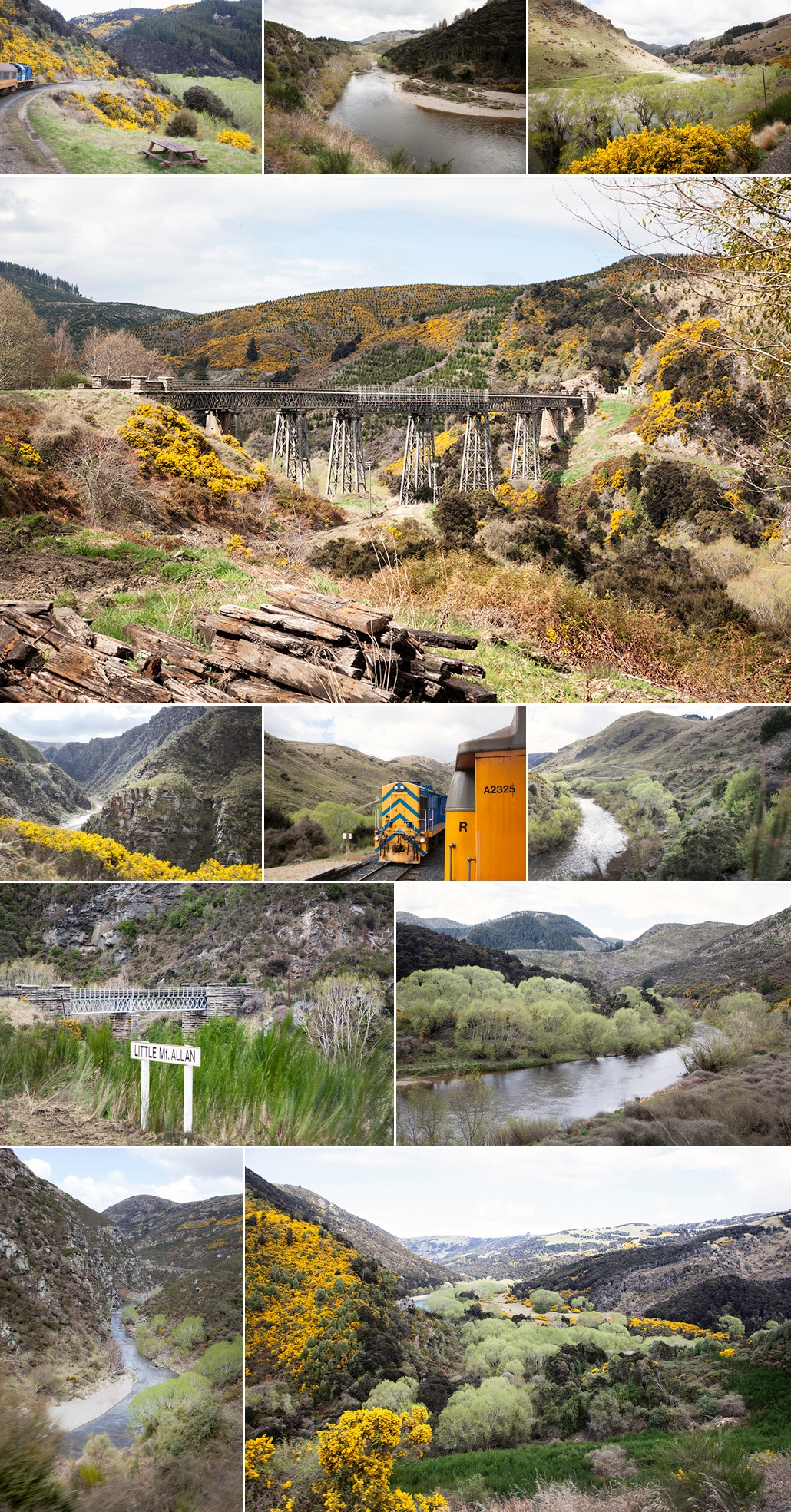
Dunedin Railways - montage

Photos by Jocelyn Watts, 2019.

***

Uncovering rail pioneers’ stories

BACK in 2009, my husband, Don Watts, and I took a jaunt through time courtesy of the West Coast Wilderness Railway in Tasmania. Picture this: the whistle of a heritage steam locomotive serenading us as we settled in for a journey into the past. We were on a mission—ready to dig into the tales of gutsy pioneers who once called the wild stretch between Queenstown and Strahan home.

  • This article may contain affiliate links and advertisements. If you click on these links, make a purchase, or share this content, we may earn a small commission at no extra cost to you. This helps us continue creating valuable content for you. Thank you for your support.
West Coast Wilderness Railway

Awaiting our departure from the West Coast Wilderness Railway Station.

Chronicles of the West Coast Wilderness Railway

West Coast Wilderness Railway - man panning for gold

Don Watts panning for gold at Lynchford.

Our adventure began at Queenstown station, where we stepped aboard the Woodcutters Carriage. The plush upholstered seating and the promise of wine and nibbles set the stage for a luxurious experience. As the wheels started turning, we found ourselves transported not just by the train, but also by stories of the past 200 years.

Our first stop, Lynchford, a bustling frontier town in the 1880s, had faded away by the 1920s, leaving memories of a bygone era. We disembarked and treaded on the same soil that gold prospectors had once hoped would yield fortunes.

The Queen Hotel, a two-story weatherboard structure, loomed beside the station, witnessing the comings and goings of timber-cutters. Its kerosene lamps once illuminated the lively conversations of those seeking respite after a day’s toil. The town’s fate took a turn with the introduction of hydroelectricity in 1914, marking the end of the woodcutters’ era and the beginning of Lynchford’s decline.

As the train ascended above the King River Gorge, the landscape revealed the challenges those who built the railway faced. The construction started in 1894 and demanded resilience from the labourers who battled the unforgiving terrain and relentless weather. Rainfall of up to 150 inches (3800 mm) a year, hidden gullies, and rising rivers tested the mettle of the workers. Their camps had to perch on high ground, a strategic move against the unpredictable whims of the King River.

For almost seven decades, the West Coast Wilderness Railway was more than just the scenic route it is today. It was the Lyell mining district’s lifeline, ensuring copper ore transportation from Queenstown to the coast for global markets. The return journey brought essential supplies like timber and later, coke, for the smelter fires. The wagons also carried the pulse of daily life—milk, newspapers, mail, and, in a macabre twist, even the departed.

West Coast Wilderness Railway - historic timber bridge

Don and I were able to walk around one of the historic timber bridges as part of the West Coast Wilderness Railway adventure.

Tracing Tasmania’s rich history

Our journey on the West Coast Wilderness Railway was more than a scenic tour; it was a glimpse into Tasmania’s rich history. Lynchford’s rise and fall, the perseverance of those who built the railway, and its role in sustaining the mining district unfolded before us like pages of a captivating novel. As we disembarked in Strahan, I couldn’t help but feel a profound connection to the pioneers and workers whose spirits still lingered in the hills and valleys of Tasmania. The West Coast Wilderness Railway, now a tourist attraction, stands as a living monument to the resilience and tenacity of those who shaped the history of Tasmania’s untamed land.

CLICK THIS LINK TO FIND OUT HOW YOU CAN EXPERIENCE THE WEST COAST WILDERNESS RAILWAY.

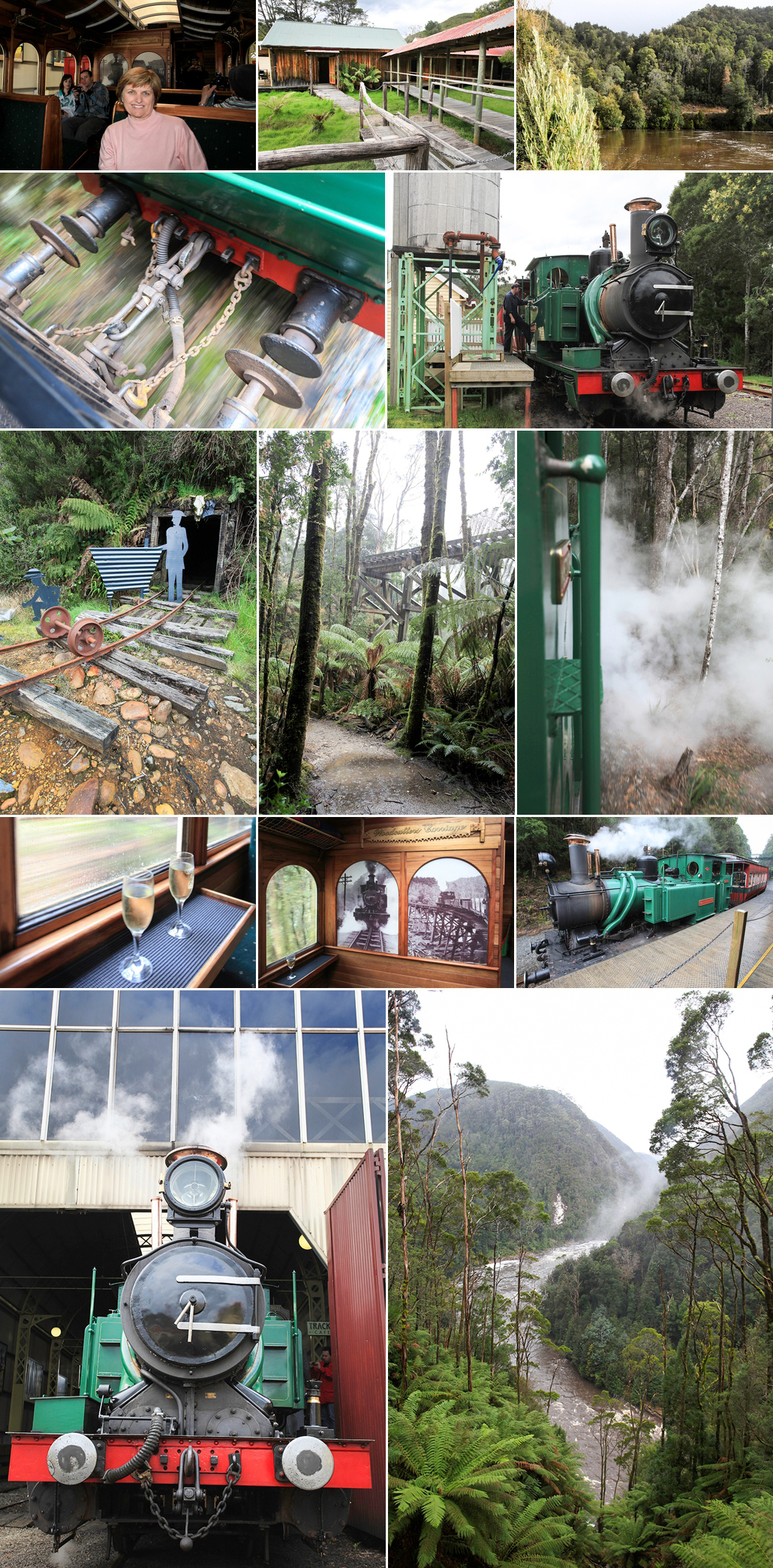
More photos from our West Coast Wilderness Railway adventure

West Coast Wilderness Railway - montage of photos

Photos by Jocelyn Watts, 2009.

  • Thanks to West Coast Wilderness Railway for generously hosting us on this journey. 

***