Tag Archive for: spicy food

The Simple Pan Trick to Make Store-Bought Naan Taste Better

LET’S be honest, supermarket naan can be a bit of a let-down.

You buy it with high hopes, imagining pillowy, charred, buttery goodness like the kind that lands beside your curry at a good Indian restaurant. Then you microwave it, take a bite, and it’s… dense. Doughy. Slightly disappointing.

I’ve been there.

The good news? With a few simple tricks, naan from the supermarket can be transformed into something much closer to the real thing — warm, soft, lightly blistered and full of flavour.

No tandoor required.

Keep reading to find out how to make store-bought naan taste better.


Affiliate note: The products mentioned in this article are things I use in my own kitchen, and some links may be affiliate links. That means if you buy through them, I may earn a small commission at no extra cost to you.
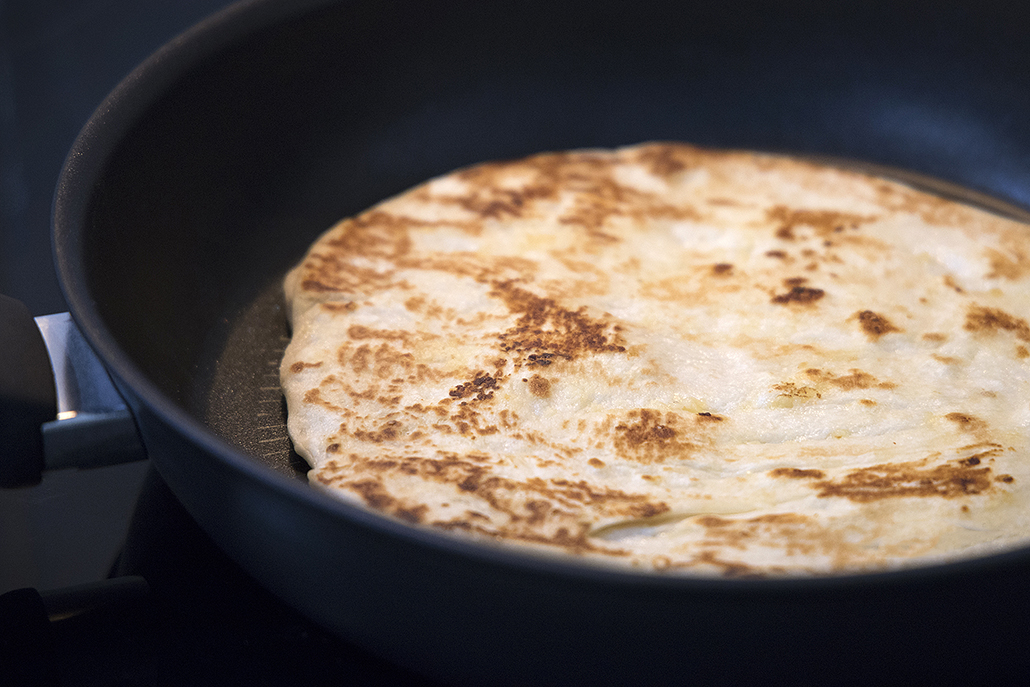
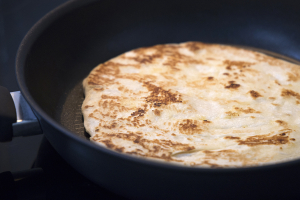
Store-bought naan heating in a Tefal non-stick frypan with golden charred spots.

Store-bought naan warming in a Tefal non-stick frypan to create soft, blistered restaurant-style texture at home.

Why supermarket naan often falls flat

Traditional naan is cooked fast and hot inside a clay tandoor oven. That intense heat creates those lovely bubbles, smoky charred spots and soft, stretchy texture.

Supermarket naan, on the other hand, is pre-cooked, packaged and chilled. It holds more moisture and loses that just-baked edge.

That’s why microwaving it usually makes things worse.

Too soft. Too chewy.

A bit like eating warm cardboard in a flattering disguise.

The pan method that makes store-bought naan taste better

This is the easiest fix, and the one I use most often.

A hot, dry frying pan makes all the difference.

For me, that’s usually my Tefal non-stick pan, which gives the naan enough heat to blister without sticking.

What you’ll need

  • store-bought naan
  • butter or ghee
  • 1 clove garlic, crushed
  • sea salt
  • fresh coriander (optional)
  • nigella seeds (optional)

Step 1: Heat the pan properly

Heat the pan to medium to high heat. Not smoking, but properly hot.

This helps create those little blistered spots that mimic tandoor cooking.

Step 2: Warm the naan dry

Place the naan straight into the dry pan.

Cook for about 60 to 90 seconds on each side.

Press lightly with a spatula as it heats. This encourages puffing and creates better contact with the pan.

If it starts bubbling, you’re on the right track.

Step 3: Add the good stuff

While it’s still hot, brush lightly with melted butter or ghee mixed with crushed garlic and a pinch of sea salt.

This is where supermarket naan starts tasting much less like supermarket naan.

Scatter with chopped coriander if you like. Or nigella seeds. Or both.


The pan that makes the difference

A good naan starts with good heat.

For this method, I use my Tefal non-stick frypan — hot enough to blister the bread, easy to clean, and versatile enough for everyday cooking beyond curry night.

It’s quickly become one of those pieces that earns its place in the kitchen.

Browse Tefal cookware and kitchen essentials


The steam trick for softer naan

This is the part many people skip.

Once cooked, wrap the naan in a clean tea towel for a minute or two.

That little bit of trapped steam softens the bread beautifully without making it soggy.

It’s the difference between not bad and actually pretty good.

Oven or stovetop?

You can warm naan in the oven, but for smaller batches I think the stovetop wins.

Oven method
Good for larger quantities, but you lose some of the char.

Stovetop method
Better texture, faster, more flavour.

If you’re heating two or four pieces, the pan is the clear winner.

Which supermarket naan is best?

Not all naan are equal.

Look for:

  • thicker artisan-style naan
  • plain or garlic naan without added sweetness
  • brands from the chilled section rather than shelf-stable packets

In my experience, fresher is better.

Avoid anything that feels stiff before heating. That’s rarely a good sign.

What to serve it with

Good naan deserves a good curry.

It’s perfect with:

  • butter chicken
  • lamb rogan josh
  • chickpea curry
  • spinach dhal

I usually serve mine with my winter butter chicken, which is made for batch cooking and tastes even better the next day.

And if you’re wondering what to eat or drink with spicy food, I’ve got thoughts on that too.

Why naan tastes different in India

Part of the magic is the tandoor. That fierce heat is hard to replicate at home.

But it’s also regional. Across India you’ll find naan, roti, paratha and chapati, each with its own texture and purpose.

On rail journeys through northern India, warm flatbreads often arrive wrapped in paper, ready to tear and share.

Simple food. Fast. Full of comfort.

Which, really, is what good naan is all about.

Even if it started in the supermarket aisle.


Better naan starts with better basics

You don’t need a tandoor oven to get soft, blistered naan at home; just a hot pan and a few simple tricks.

The Tefal frypan I used here has already earned its keep for naan, eggs, quick curries and everyday lunches.

In a smaller kitchen, I’m learning that the best cookware isn’t about having more. it’s about having the right pieces.

Explore Tefal cookware and kitchen essentials


Affiliate note: The products mentioned in this article are things I use in my own kitchen, and some links may be affiliate links. That means if you buy through them, I may earn a small commission at no extra cost to you. It helps support Jocelyn Magazine and keeps the stories, recipes and travel inspiration coming. As always, I only recommend products I use or believe are worth considering.
 

Need a Winter Warmer? Try This Slow-Cooked Indian Curry

THERE’S something about winter that makes a slow-cooked Indian curry feel less like dinner and more like a necessity.

When the nights cool down and the kitchen windows fog up, I start craving the kind of food that bubbles away for hours, filling the house with spice and promise. A good curry does exactly that. Better still, it’s one of those meals that tastes even better the next day.

This simple butter chicken has become one of my winter favourites for that reason. It’s easy, deeply comforting, and generous enough to feed six, which in my townhouse usually means dinner for one or two, with four or five portions tucked away in the freezer for later.

Future me is always grateful.

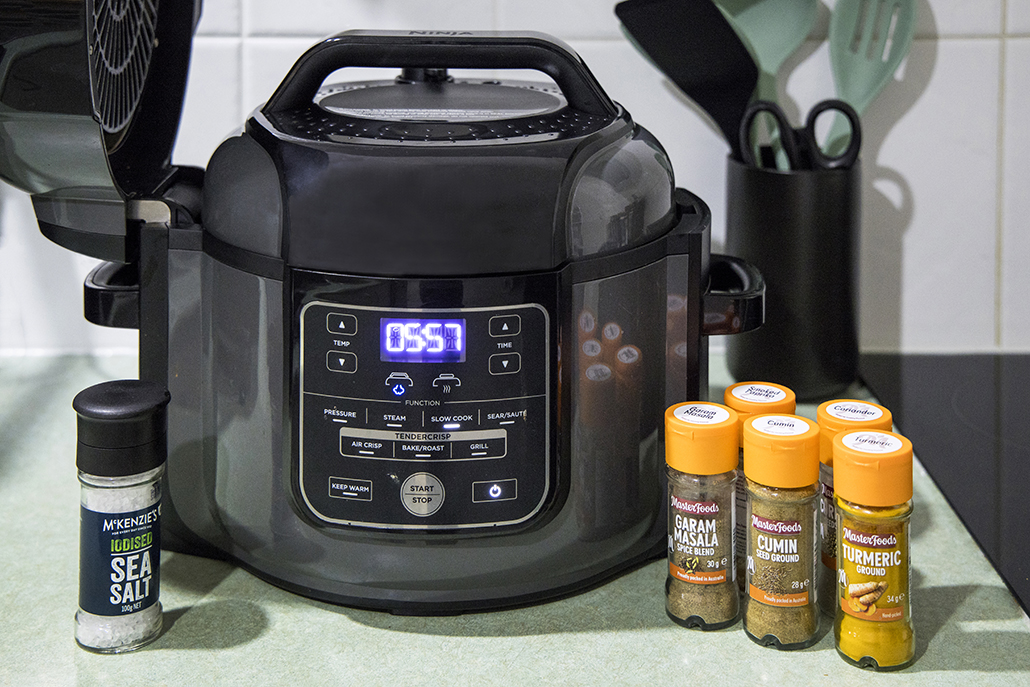
Lately I’ve been making it in my Ninja Foodi using the sauté and slow cook settings. It takes the fuss out of it and delivers beautifully tender chicken every time.

Serve slow-cooked Indian curry with basmati rice, warmed naan and a cool cucumber raita on the side.

Affiliate note: The products mentioned in this article are things I use in my own kitchen, and some links may be affiliate links. That means if you buy through them, I may earn a small commission at no extra cost to you.

Ninja Foodi with spices ready for slow-cooked butter chicken recipe.

Ninja Foodi multi-cooker prepared for slow-cooking butter chicken with garam masala, cumin and turmeric.

Why this curry works for batch cooking

Not every meal survives the freezer well. Slow-cooked Indian curry does.

The spices settle in overnight, the sauce thickens beautifully, and the flavours deepen rather than fade. It’s also forgiving. Swap chicken for chickpeas, lamb or even leftover roast vegetables if that’s what you have.

This version sits somewhere between a butter chicken and a homestyle tomato curry — rich, warming and mildly spiced without blowing your head off.

It’s practical food. The kind that earns its place in a small freezer.

Winter Butter Chicken for Six

Ingredients

For the curry

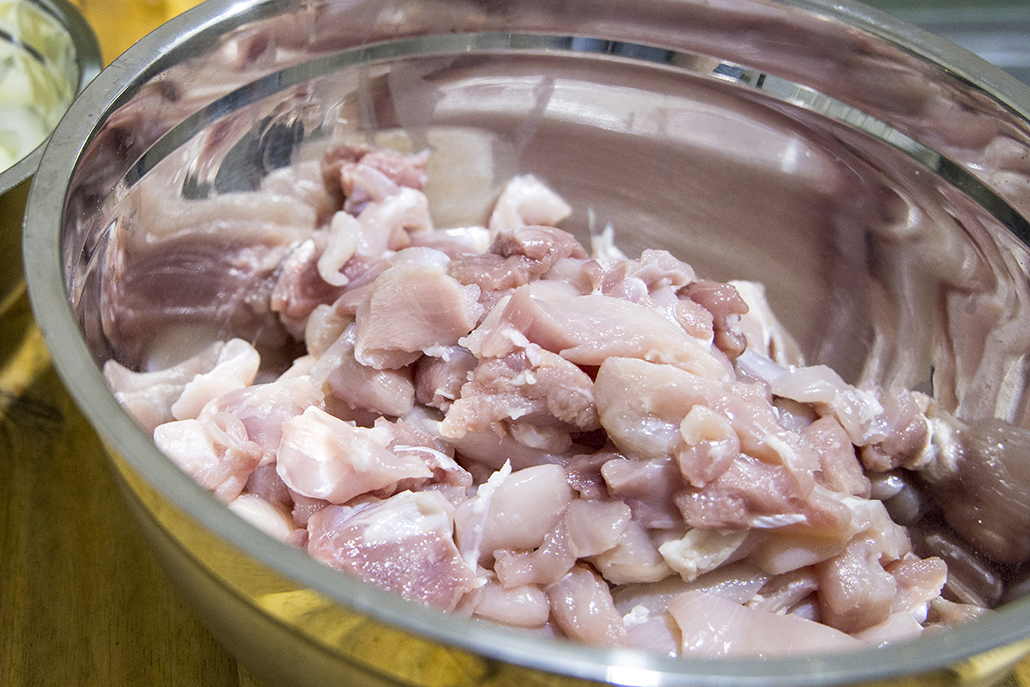
  • 1.5kg chicken thighs, trimmed and cut into chunks
  • 2 tablespoons olive oil
  • 2 large brown onions, finely diced
  • 5 cloves garlic, crushed
  • 2 tablespoons fresh ginger, grated
  • 3 tablespoons garam masala
  • 2 teaspoons ground cumin
  • 2 teaspoons turmeric
  • 2 teaspoons smoked paprika
  • 1 teaspoon ground coriander
  • 400g crushed tomatoes
  • 3 tablespoons tomato paste
  • 250g Greek yoghurt
  • 300ml thickened cream
  • 1 tablespoon butter
  • Salt to taste
  • Fresh coriander to serve

Optional:

  • 2 handfuls baby spinach stirred through at the end
  • 2 tablespoons mango chutney for a little sweetness

For the basmati rice

  • 2 cups basmati rice
  • 3 cups water
  • pinch of salt

For the cucumber raita

  • 1 large Lebanese cucumber, grated
  • 1 cup Greek yoghurt
  • 1 tablespoon chopped mint
  • 1 tablespoon chopped coriander
  • ½ teaspoon ground cumin
  • pinch of salt
  • squeeze of lemon juice

To serve

  • Store-bought naan bread (one per person)
Slow-Cooked Indian Curry Recipe: Chicken thighs and chopped onion prepared for slow-cooked butter chicken.

Fresh chicken thighs and chopped onion prepared for a slow-cooked winter butter chicken recipe.


The kitchen gear behind this slow-cooked Indian curry recipe

For this butter chicken, I used my Ninja Foodi for the slow cooking. It’s one of those appliances that earns its bench space, especially for batch cooking and winter meals.

For warming naan and everyday stovetop cooking, I reached for my Tefal non-stick frypan.

If you’re building a practical kitchen setup, a good pan is one of the best places to start.

Browse Tefal cookware and kitchen essentials


Method

Step 1: Build the base

Set your Ninja Foodi to Sear/Sauté on medium.

Add the olive oil and cook the onion for about five minutes until soft.

Add garlic and ginger and cook for another minute.

Stir in the garam masala, cumin, turmeric, smoked paprika and coriander.

Cook for 30 seconds until fragrant.

This is where the kitchen starts smelling like an Indian restaurant.

Step 2: Add the chicken

Add the chicken pieces and stir until lightly browned.

No need to cook them through.

Add the crushed tomatoes and tomato paste and stir well.

Step 3: Slow cook

Switch to Slow Cook (Low).

Put the lid on and cook for four hours.

This is where the magic happens. The chicken softens, the sauce deepens, and the whole thing settles into itself.

Step 4: Finish the sauce

About 20 minutes before serving, switch back to Sear/Sauté (Low).

Stir in the Greek yoghurt slowly.

Add the cream and butter.

If you’re using spinach, stir it through now.

Simmer gently for 10 to 15 minutes until rich and silky.

Taste and season.

Scatter with fresh coriander.

Slow-Cooked Indian Curry Recipe: Butter chicken simmering in a Ninja Foodi.

A batch of homemade butter chicken cooking in a Ninja Foodi for an easy winter meal.

Cook the rice

Eat with homemade cucumber raita with fresh cucumber slices and coriander.

Homemade cucumber raita served as a cooling side dish with Indian curry.

Rinse the basmati rice until the water runs mostly clear.

Add rice, water and salt to a saucepan.

Bring to the boil, then reduce to low and cover.

Cook for 12 minutes.

Turn off the heat and let it rest for 10 minutes before fluffing with a fork.

Make the cucumber raita

Grate the cucumber and squeeze out the excess water.

Mix with yoghurt, mint, coriander, cumin, salt and lemon juice.

Chill until serving.

The cool yoghurt cuts beautifully through the warmth of the curry.

Warm the naan properly

Eat with store-bought naan heating in a Tefal non-stick frypan with golden charred spots.

Store-bought naan warming in a Tefal non-stick frypan to create soft, blistered restaurant-style texture at home.

This is where a good frying pan earns its place.

I use my Tefal for this.

Heat the pan dry over medium-high heat.

Warm each naan for 60 to 90 seconds on each side.

Brush lightly with melted butter and a little crushed garlic.

Then wrap briefly in a tea towel to soften.

It makes all the difference.

(If you’ve ever wondered why supermarket naan can taste a bit flat and doughy if not heated well, I’ll share more on that in my next article.)

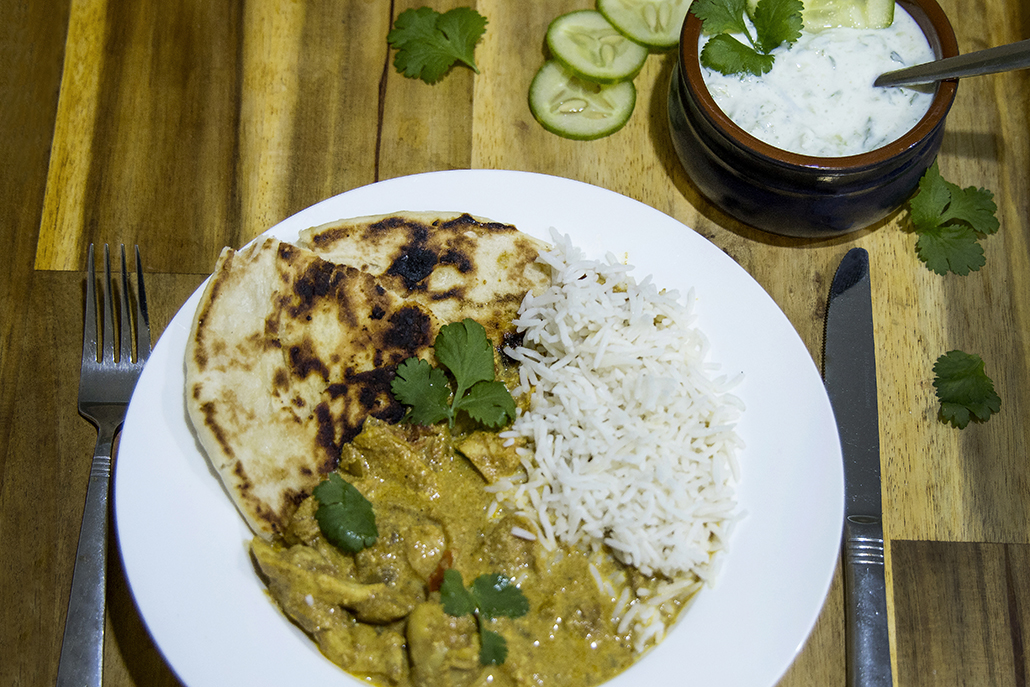
Butter chicken with rice, naan bread and cucumber raita served on a plate.

Homemade butter chicken served with basmati rice, charred naan and cucumber raita.

Freeze now, thank yourself later

Let the curry cool completely before dividing it into airtight containers.

It will keep:

  • up to three days in the fridge
  • up to three months in the freezer

For me, this usually means one or two dinners now and several easy meals later.

Like most curries, it rewards patience.

A little travel note

One of the things I love about rail travel, whether through India or closer to home, is how food becomes part of the journey.

Curries served aboard Indian trains are often simple, regional and deeply comforting.

This recipe has that same spirit: practical, warming and made to be shared.

Not fancy. Just good.


Cook this at home

This meal came together in my Ninja Foodi for the slow-cooked curry, with my Tefal frypan for the naan.

It’s proof you don’t need a huge kitchen or fancy setup to cook something warming and full of flavour.

A few reliable pieces of cookware, and a little patience, go a long way.

Explore Tefal cookware and kitchen essentials


Affiliate note: The products mentioned in this article are things I use in my own kitchen, and some links may be affiliate links. That means if you buy through them, I may earn a small commission at no extra cost to you. It helps support Jocelyn Magazine and keeps the stories, recipes and travel inspiration coming. As always, I only recommend products I use or believe are worth considering.


What to Eat With Spicy Food (and Drink) and Why It Works

SPICY food can be warming, generous and deeply satisfying — right up until it tips from enjoyable heat into something you regret halfway through the meal.

The good news is that what you eat with spicy food matters just as much as the chilli itself. The right pairings don’t dull flavour; they help you enjoy it properly.

Here’s how to balance spicy meals so they stay pleasurable, nourishing and easy to live with.

Affiliate Disclosure: Some links in this article are affiliate links. If you purchase through them, I may receive a small commission. It doesn’t cost you anything extra, and it helps support the ongoing work behind Jocelyn Magazine.

what to eat with spicy food - table setting

A relaxed table sets the tone for spicy food — when the pace is unhurried, flavours can be more satisfying.

Why Spicy Food Feels So Intense — and What It Does in the Body

The “burn” from spicy food doesn’t come from taste. It comes from capsaicin, the compound in chillies that triggers pain receptors in the mouth. Understanding this is key to knowing what to eat with spicy food, because the way capsaicin behaves explains why some pairings calm the heat while others make it worse.

Your brain reads that signal as heat, even though no actual damage is happening. That’s also why water doesn’t help much. Capsaicin isn’t water-soluble, so washing it around your mouth often spreads the sensation rather than calming it.

Interestingly, capsaicin does more than fire up your taste buds. Research suggests it can slightly increase thermogenesis — the process by which the body produces heat and burns energy. This can lead to a modest rise in metabolic rate and fat oxidation for several hours after eating, including during sleep. Summaries from Harvard Health Publishing and studies published in the British Journal of Nutrition point to this effect as real, but small.

This is why spicy food sometimes appears in discussions about eating spicy food for weight loss, though always as part of a broader, balanced pattern rather than a single strategy.


Dairy: The Classic Heat Tamer

If spicy food had a best mate, it would be dairy. It’s one of the most reliable ways to cool spicy food, thanks to how casein interacts with capsaicin.

Yoghurt, raita, labneh, sour cream and milk all work because they contain casein, a protein that binds to capsaicin and helps remove it from pain receptors. Fat also plays a role, which is why full-fat yoghurt is noticeably more soothing than low-fat versions.

Many cuisines built around spice — Indian, Middle Eastern, Mexican — naturally include yoghurt or dairy alongside heat. It’s not about muting flavour; it’s about balance.

A spoonful of plain yoghurt on the side of a curry doesn’t make it less authentic. It makes it more enjoyable.

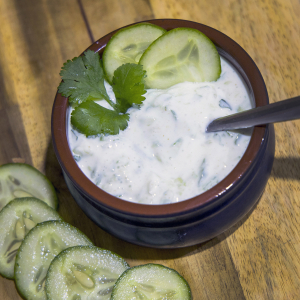
what to eat with spicy food - raita bowl

A simple yoghurt-based raita does more than cool the heat — it lets the spices shine without overwhelming the palate.


Carbs: The Unsung Hero

Plain rice, naan, roti, tortillas, potatoes and noodles all help by absorbing some of the capsaicin and diluting its intensity. They give the heat somewhere to go, rather than letting it sit front and centre.

This is why spicy dishes eaten on their own can feel harsher — there’s nothing buffering the chilli. A simple carb base doesn’t just fill you up; it makes the whole meal calmer and more satisfying.

Again, tradition got there first. Most spicy cuisines are built around a grounding starch for a reason.

what to eat with spicy food - carbs, the unsung hero

Soft naan plays an essential role, grounding spice and giving the heat somewhere to settle.


Coconut and cream: Softening the Edges

Fats help coat the mouth and reduce the intensity of perceived heat. Coconut milk and cream are particularly effective because they bring fat and a natural sweetness that softens chilli without overpowering it.

Think:

  • Thai curries with coconut milk

  • Peanut sauces

  • A side of avocado with a spicy salsa

These ingredients don’t cool spice completely — they round it out. The heat stays present, but it becomes warm and lingering rather than sharp.

what to eat with spicy food - Coconut and Gentle Fats: Softening the Edges

Coconut milk brings gentle richness to spicy dishes, rounding out chilli heat with natural sweetness.


Sweetness: A Little Contrast Goes a Long Way

Sweetness shifts how the brain experiences heat. A small amount is often enough.

Mango chutney, pickled pineapple, roasted sweet potato or a lightly sweet glaze can create contrast that makes spice feel intentional rather than overwhelming.

The trick is restraint. Sweet should support spice, not overpower it.


Best Drinks With Spicy Food (and What to Be Careful With)

what to eat with spicy food - Light Beer With Spicy Food

A light beer or lager can soften spice without competing with it — refreshing, not overpowering.

Drinks that help

  • Milk or yoghurt drinks

  • Light beer or lager

  • Slightly sweet white wines

  • Coconut water

These either cool, coat or gently distract the palate.

Drinks to approach with caution

  • High-alcohol spirits

  • Tannic red wines

  • Very fizzy soft drinks

Alcohol can intensify heat, tannins can clash, and bubbles may irritate already sensitive mouths.

As always, preferences vary. The best pairing is one your body actually enjoys.


Common Myths About What to Eat with Spicy Food

  • Water fixes everything — not really.

  • Toughing it out builds tolerance — enjoyment matters more.

  • Real spice should hurt — heat is meant to enhance flavour, not punish you.

Good spicy food is about balance, not bravado.


Putting It All Together: A Balanced Spicy Plate

A satisfying spicy meal usually includes:

  • One spicy element

  • One cooling or soothing element

  • One grounding carb

  • One gentle drink

For example: a spicy curry, steamed rice, a spoon of yoghurt, and a light beer or coconut water. Simple, repeatable, and satisfying.


Enjoy the Heat — the Steady Way

Spicy food doesn’t need to be endured to be appreciated. Knowing what to eat with spicy food — pairing it thoughtfully with protein, grounding carbs and cooling elements — can turn heat into something comforting, flavourful and easy to live with, supporting enjoyment and consistency rather than extremes.

Capsaicin may offer a small metabolic lift for a few hours, including overnight, but its real value sits elsewhere.

Like most good things, spice isn’t a strategy. It’s simply one more way to make everyday meals nourishing, interesting and enjoyable — both at the table and the next morning.

what to eat with spicy food - table with spicy food scene

Spicy food is meant to be shared — balanced dishes, easy company and a table that invites you to stay.


Editor’s note

This article is intended as general food and lifestyle information only, and reflects a steady, everyday approach to eating rather than personalised nutrition advice.

Sources

  • Harvard Health Publishing
    Articles exploring capsaicin, thermogenesis, metabolism and appetite regulation, written for a general audience and grounded in medical research.

  • British Journal of Nutrition
    Peer-reviewed studies examining the effects of chilli and capsaicin on energy expenditure, fat oxidation and metabolic response.

  • National Institutes of Health
    Research summaries and clinical studies on capsaicin, sensory response to spicy food, and its broader physiological effects.