
Hug or Hangover? Your choice: Lemon Honey Tea, Hot Toddy or Red Wine
WE’VE all heard the old tales – a glass of red wine a day keeps the cardiologist away. Or was that apples? Either way, it’s comforting to think our evening tipple is secretly doing us good.
But then the hot toddy struts in, smugly carrying lemon, honey, and a splash of rum like it’s a natural cold remedy disguised as a cocktail.
Now, let’s suppose we set aside the well-known downsides of alcohol and look purely at the nutritional value of red wine and the hot toddy – to give them a fair go on the same playing field as lemon honey tea.
In that case, the hot toddy (lemon juice, honey, and a dash of rum) often comes out slightly ahead of a standard glass of red wine – especially if you’re chasing immune support or something soothing on a chilly night.
Let’s break it down.
Affiliate Disclosure: Some links in this article are affiliate links. If you purchase through them — including selected books via Amazon Australia — I may receive a small commission. It doesn’t cost you anything extra, and it helps support the ongoing work behind Jocelyn Magazine.

Hot toddy: the cocktail that cosplays as a cold remedy.
Round One – Nutritional Value

Two glasses of red: because one heart-healthy decision deserves company. Sip slow, chat long, and pretend it’s for the antioxidants.
Red Wine (150ml standard glass)
Pros:
- Antioxidants: Contains resveratrol and flavonoids, which may support heart health.
- Iron and potassium: Present in trace amounts.
- Low sugar: Typically, no added sugar.
- Low carb: Around 3–4g carbohydrates.
Cons:
- Virtually no vitamins.
- It can trigger inflammation in sensitive individuals.
- Contains histamines and sulphites, which may irritate those with asthma or allergies.
Hot Toddy (dash of rum, lemon juice, and honey)
Pros:
- Vitamin C: Thanks to the fresh lemon juice – handy for immune support.
- Antibacterial properties: Found in quality honey.
- Soothing: Warmth + honey = comfort for sore throats.
- Hydration: Especially when topped up with hot water.
Cons:
- Sugar: Honey adds about 5–7g per teaspoon.
- Higher carb content: Depending on how generous you’re feeling with the honey.
Nutritional Showdown
The hot toddy boasts vitamin C from lemon juice, antimicrobial support from honey, and the kind of warming comfort that feels like it came with a handwritten note from your nan. It wins for nutritional value if it’s made with fresh lemon juice and minimal honey, and you’re chasing soothing benefits or immune support in the cooler months.
Meanwhile, red wine arrives armed with antioxidants like resveratrol and flavonoids, a touch of iron, and the faint halo of red wine health benefits. It’s your winner if you prefer a low-sugar, low-carb option with a richer flavour profile.
And the overall winner?
If it were a health contest on paper (and let’s pretend it is), the hot toddy wins – but only by a whisker.
Round Two: Enter the Alcohol
Ah yes. The not-so-innocent splash of booze.
Red wine clocks in at about 1.5 standard drinks per glass. Great with dinner – less great if you’re planning to operate heavy machinery (like your emotions at 10 pm).
The hot toddy, with its dash of rum, is more of a gentle nudge than a full body slam. Keep it small and it stays cosy rather than chaotic.
But here’s the kicker – alcohol can undo many of the health perks. It might mess with your sleep, irritate your gut, and leave you staring into the fridge at midnight. So, if you’re drinking for your health… maybe just don’t.
Round Three: Surprise Winner – Lemon Honey Tea!
Cue the underdog. No alcohol. No sugar overload (unless you go wild with the honey). Just warm, citrusy goodness with actual nutrients – and zero risk of dancing on tables at your cousin’s barbecue.
It’s the same comforting base as the hot toddy, just without the cheeky rum. And your liver will send you a heartfelt thank-you.
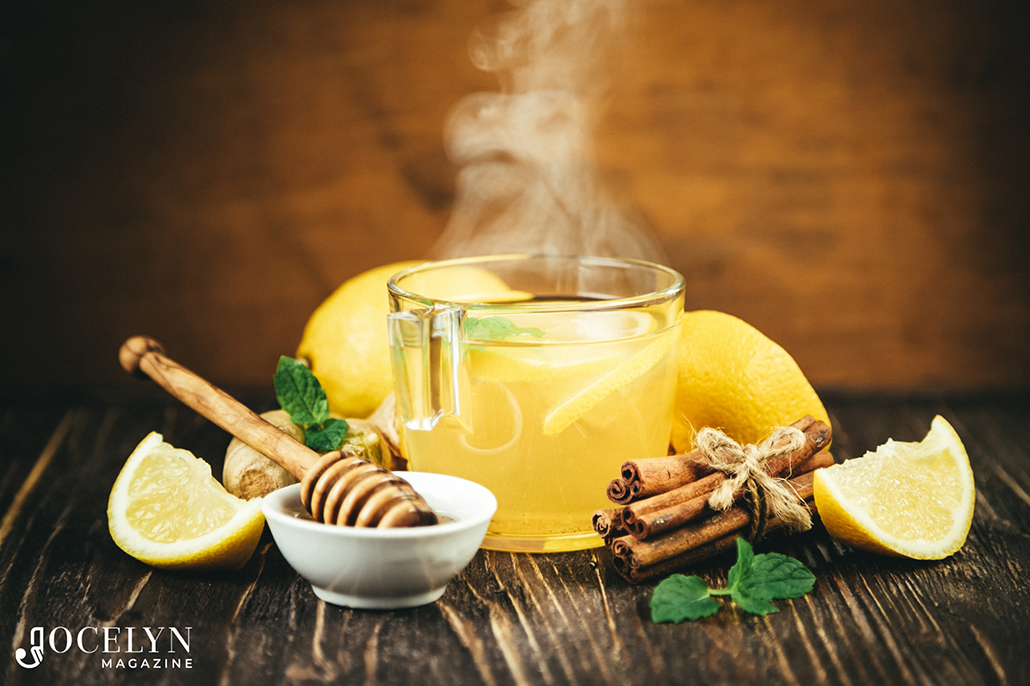
The quiet achiever of winter drinks: lemon honey tea. Warm, soothing, and unlikely to cause regret by morning.
Here’s the recipe
Lemon Honey Tea
A Warm Hug in a Mug
Ingredients:
1 cup (250ml) hot water or tea (caffeine-free is better)
Juice of ½ a fresh lemon
1–2 teaspoons honey (raw, local or Manuka for the win)
Optional extras:
A slice of fresh ginger or a pinch of ground ginger
A cinnamon stick or a dash of cinnamon
A few fresh mint leaves
Instructions:
Boil the kettle and let the water cool slightly (just off the boil is perfect).
Simply use the hot water, or use it to make 250ml of your favourite tea.
Add lemon juice and honey to your favourite mug.
Pour in the hot water, or tea, and stir gently until the honey melts in.
Steep your optional extras for a few minutes if using – ginger and cinnamon add a lovely warming kick.
Sip slowly, feel the comfort, and relax.
Tips for Extra Goodness
For a more medicinal brew, steep fresh ginger for 5–10 minutes before adding the lemon and honey.
Battling a cold? Toss in a clove or two.
Want something chilled? Cool it down and serve over ice – still delicious.
Heading out? Pop it in a thermos. It travels well and tastes like wellness in a flask.
Final Thoughts
Red wine has its moment. A hot toddy can definitely be a vibe. But when it comes to winter drinks that are soothing, simple, and good for you? Lemon honey tea wins hands down – especially when you’re snuggled under a throw rug with a good book or a mildly interesting Netflix series.
It’s cheap, cheerful, and you can drink three cups, or mugs, without forgetting where you put your slippers.
***
A Note on the CSIRO Total Wellbeing Diet
The CSIRO Total Wellbeing Diet affiliate program is closing on 23 February 2026, and as a result, I’ve removed direct program links from this article.
While I’m no longer linking to the online program itself, the principles behind the CSIRO approach — balanced eating, higher protein, practical science-backed nutrition — still inform much of what I share here on Jocelyn Magazine.
If you’d like to explore the CSIRO’s published work, their books remain available through Amazon here:
CSIRO Books on Amazon Australia
As always, I only share resources I’ve personally found useful — and I appreciate you being part of the journey as this space continues to evolve.