Tag Archive for: seasonal health

The Simple Pan Trick to Make Store-Bought Naan Taste Better

LET’S be honest, supermarket naan can be a bit of a let-down.

You buy it with high hopes, imagining pillowy, charred, buttery goodness like the kind that lands beside your curry at a good Indian restaurant. Then you microwave it, take a bite, and it’s… dense. Doughy. Slightly disappointing.

I’ve been there.

The good news? With a few simple tricks, naan from the supermarket can be transformed into something much closer to the real thing — warm, soft, lightly blistered and full of flavour.

No tandoor required.

Keep reading to find out how to make store-bought naan taste better.


Affiliate note: The products mentioned in this article are things I use in my own kitchen, and some links may be affiliate links. That means if you buy through them, I may earn a small commission at no extra cost to you.
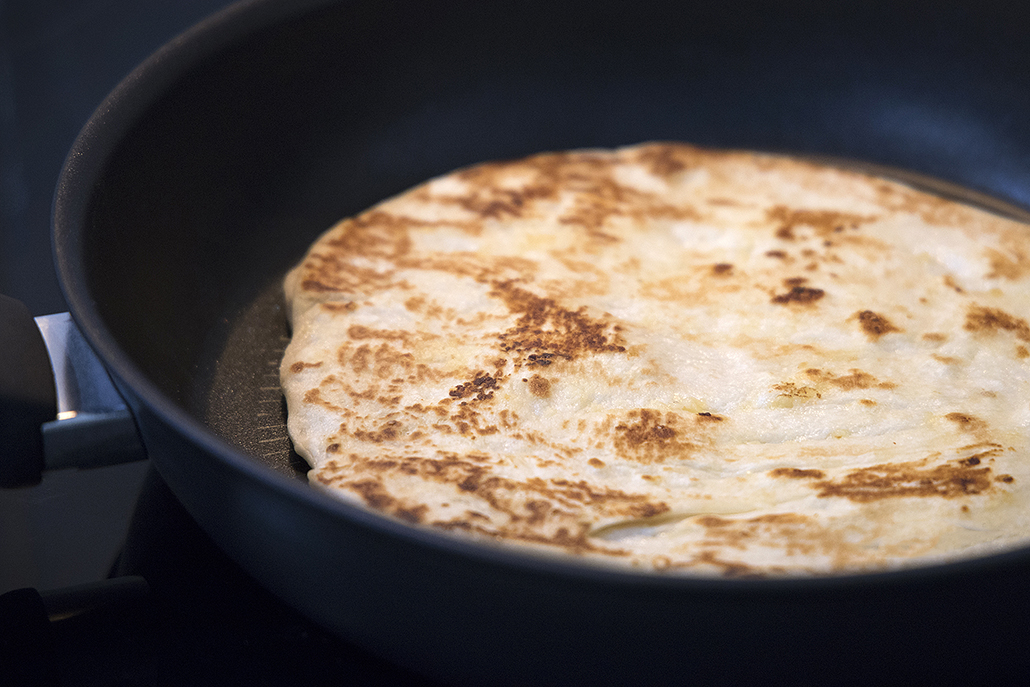
Store-bought naan heating in a Tefal non-stick frypan with golden charred spots.

Store-bought naan warming in a Tefal non-stick frypan to create soft, blistered restaurant-style texture at home.

Why supermarket naan often falls flat

Traditional naan is cooked fast and hot inside a clay tandoor oven. That intense heat creates those lovely bubbles, smoky charred spots and soft, stretchy texture.

Supermarket naan, on the other hand, is pre-cooked, packaged and chilled. It holds more moisture and loses that just-baked edge.

That’s why microwaving it usually makes things worse.

Too soft. Too chewy.

A bit like eating warm cardboard in a flattering disguise.

The pan method that makes store-bought naan taste better

This is the easiest fix, and the one I use most often.

A hot, dry frying pan makes all the difference.

For me, that’s usually my Tefal non-stick pan, which gives the naan enough heat to blister without sticking.

What you’ll need

  • store-bought naan
  • butter or ghee
  • 1 clove garlic, crushed
  • sea salt
  • fresh coriander (optional)
  • nigella seeds (optional)

Step 1: Heat the pan properly

Heat the pan to medium to high heat. Not smoking, but properly hot.

This helps create those little blistered spots that mimic tandoor cooking.

Step 2: Warm the naan dry

Place the naan straight into the dry pan.

Cook for about 60 to 90 seconds on each side.

Press lightly with a spatula as it heats. This encourages puffing and creates better contact with the pan.

If it starts bubbling, you’re on the right track.

Step 3: Add the good stuff

While it’s still hot, brush lightly with melted butter or ghee mixed with crushed garlic and a pinch of sea salt.

This is where supermarket naan starts tasting much less like supermarket naan.

Scatter with chopped coriander if you like. Or nigella seeds. Or both.


The pan that makes the difference

A good naan starts with good heat.

For this method, I use my Tefal non-stick frypan — hot enough to blister the bread, easy to clean, and versatile enough for everyday cooking beyond curry night.

It’s quickly become one of those pieces that earns its place in the kitchen.

Browse Tefal cookware and kitchen essentials


The steam trick for softer naan

This is the part many people skip.

Once cooked, wrap the naan in a clean tea towel for a minute or two.

That little bit of trapped steam softens the bread beautifully without making it soggy.

It’s the difference between not bad and actually pretty good.

Oven or stovetop?

You can warm naan in the oven, but for smaller batches I think the stovetop wins.

Oven method
Good for larger quantities, but you lose some of the char.

Stovetop method
Better texture, faster, more flavour.

If you’re heating two or four pieces, the pan is the clear winner.

Which supermarket naan is best?

Not all naan are equal.

Look for:

  • thicker artisan-style naan
  • plain or garlic naan without added sweetness
  • brands from the chilled section rather than shelf-stable packets

In my experience, fresher is better.

Avoid anything that feels stiff before heating. That’s rarely a good sign.

What to serve it with

Good naan deserves a good curry.

It’s perfect with:

  • butter chicken
  • lamb rogan josh
  • chickpea curry
  • spinach dhal

I usually serve mine with my winter butter chicken, which is made for batch cooking and tastes even better the next day.

And if you’re wondering what to eat or drink with spicy food, I’ve got thoughts on that too.

Why naan tastes different in India

Part of the magic is the tandoor. That fierce heat is hard to replicate at home.

But it’s also regional. Across India you’ll find naan, roti, paratha and chapati, each with its own texture and purpose.

On rail journeys through northern India, warm flatbreads often arrive wrapped in paper, ready to tear and share.

Simple food. Fast. Full of comfort.

Which, really, is what good naan is all about.

Even if it started in the supermarket aisle.


Better naan starts with better basics

You don’t need a tandoor oven to get soft, blistered naan at home; just a hot pan and a few simple tricks.

The Tefal frypan I used here has already earned its keep for naan, eggs, quick curries and everyday lunches.

In a smaller kitchen, I’m learning that the best cookware isn’t about having more. it’s about having the right pieces.

Explore Tefal cookware and kitchen essentials


Affiliate note: The products mentioned in this article are things I use in my own kitchen, and some links may be affiliate links. That means if you buy through them, I may earn a small commission at no extra cost to you. It helps support Jocelyn Magazine and keeps the stories, recipes and travel inspiration coming. As always, I only recommend products I use or believe are worth considering.



 

Hug or Hangover? Your choice: Lemon Honey Tea, Hot Toddy or Red Wine

WE’VE all heard the old tales – a glass of red wine a day keeps the cardiologist away. Or was that apples? Either way, it’s comforting to think our evening tipple is secretly doing us good.

But then the hot toddy struts in, smugly carrying lemon, honey, and a splash of rum like it’s a natural cold remedy disguised as a cocktail.

Now, let’s suppose we set aside the well-known downsides of alcohol and look purely at the nutritional value of red wine and the hot toddy – to give them a fair go on the same playing field as lemon honey tea.

In that case, the hot toddy (lemon juice, honey, and a dash of rum) often comes out slightly ahead of a standard glass of red wine – especially if you’re chasing immune support or something soothing on a chilly night.

Let’s break it down.

Affiliate Disclosure: Some links in this article are affiliate links. If you purchase through them — including selected books via Amazon Australia — I may receive a small commission. It doesn’t cost you anything extra, and it helps support the ongoing work behind Jocelyn Magazine.

Lemon Honey Tea - Hot Toddy

Hot toddy: the cocktail that cosplays as a cold remedy.

Round One – Nutritional Value

Lemon Honey Tea v red wine - two glasses of read wine.

Two glasses of red: because one heart-healthy decision deserves company. Sip slow, chat long, and pretend it’s for the antioxidants.

Red Wine (150ml standard glass)

Pros:

  • Antioxidants: Contains resveratrol and flavonoids, which may support heart health.
  • Iron and potassium: Present in trace amounts.
  • Low sugar: Typically, no added sugar.
  • Low carb: Around 3–4g carbohydrates.

Cons:

  • Virtually no vitamins.
  • It can trigger inflammation in sensitive individuals.
  • Contains histamines and sulphites, which may irritate those with asthma or allergies.

Hot Toddy (dash of rum, lemon juice, and honey)

Pros:

  • Vitamin C: Thanks to the fresh lemon juice – handy for immune support.
  • Antibacterial properties: Found in quality honey.
  • Soothing: Warmth + honey = comfort for sore throats.
  • Hydration: Especially when topped up with hot water.

Cons:

  • Sugar: Honey adds about 5–7g per teaspoon.
  • Higher carb content: Depending on how generous you’re feeling with the honey.


Nutritional Showdown

The hot toddy boasts vitamin C from lemon juice, antimicrobial support from honey, and the kind of warming comfort that feels like it came with a handwritten note from your nan. It wins for nutritional value if it’s made with fresh lemon juice and minimal honey, and you’re chasing soothing benefits or immune support in the cooler months.

Meanwhile, red wine arrives armed with antioxidants like resveratrol and flavonoids, a touch of iron, and the faint halo of red wine health benefits. It’s your winner if you prefer a low-sugar, low-carb option with a richer flavour profile.

And the overall winner?

If it were a health contest on paper (and let’s pretend it is), the hot toddy wins – but only by a whisker.

Round Two: Enter the Alcohol

Ah yes. The not-so-innocent splash of booze.

Red wine clocks in at about 1.5 standard drinks per glass. Great with dinner – less great if you’re planning to operate heavy machinery (like your emotions at 10 pm).

The hot toddy, with its dash of rum, is more of a gentle nudge than a full body slam. Keep it small and it stays cosy rather than chaotic.

But here’s the kicker – alcohol can undo many of the health perks. It might mess with your sleep, irritate your gut, and leave you staring into the fridge at midnight. So, if you’re drinking for your health… maybe just don’t.

Round Three: Surprise Winner – Lemon Honey Tea!

Cue the underdog. No alcohol. No sugar overload (unless you go wild with the honey). Just warm, citrusy goodness with actual nutrients – and zero risk of dancing on tables at your cousin’s barbecue.

It’s the same comforting base as the hot toddy, just without the cheeky rum. And your liver will send you a heartfelt thank-you.

Lemon Honey Tea

The quiet achiever of winter drinks: lemon honey tea. Warm, soothing, and unlikely to cause regret by morning.

Here’s the recipe

Lemon Honey Tea 

A Warm Hug in a Mug


Ingredients:

1 cup (250ml) hot water or tea (caffeine-free is better)

Juice of ½ a fresh lemon

1–2 teaspoons honey (raw, local or Manuka for the win)

Optional extras:

A slice of fresh ginger or a pinch of ground ginger

A cinnamon stick or a dash of cinnamon

A few fresh mint leaves

Instructions:

Boil the kettle and let the water cool slightly (just off the boil is perfect).

Simply use the hot water, or use it to make 250ml of your favourite tea.

Add lemon juice and honey to your favourite mug.

Pour in the hot water, or tea, and stir gently until the honey melts in.

Steep your optional extras for a few minutes if using – ginger and cinnamon add a lovely warming kick.

Sip slowly, feel the comfort, and relax.

Tips for Extra Goodness

For a more medicinal brew, steep fresh ginger for 5–10 minutes before adding the lemon and honey.

Battling a cold? Toss in a clove or two.

Want something chilled? Cool it down and serve over ice – still delicious.

Heading out? Pop it in a thermos. It travels well and tastes like wellness in a flask.

Final Thoughts

Red wine has its moment. A hot toddy can definitely be a vibe. But when it comes to winter drinks that are soothing, simple, and good for you? Lemon honey tea wins hands down – especially when you’re snuggled under a throw rug with a good book or a mildly interesting Netflix series.

It’s cheap, cheerful, and you can drink three cups, or mugs, without forgetting where you put your slippers.

***

A Note on the CSIRO Total Wellbeing Diet

The CSIRO Total Wellbeing Diet affiliate program is closing on 23 February 2026, and as a result, I’ve removed direct program links from this article.

While I’m no longer linking to the online program itself, the principles behind the CSIRO approach — balanced eating, higher protein, practical science-backed nutrition — still inform much of what I share here on Jocelyn Magazine.

If you’d like to explore the CSIRO’s published work, their books remain available through Amazon here:

CSIRO Books on Amazon Australia

As always, I only share resources I’ve personally found useful — and I appreciate you being part of the journey as this space continues to evolve.