
What to Eat With Spicy Food (and Drink) and Why It Works
SPICY food can be warming, generous and deeply satisfying — right up until it tips from enjoyable heat into something you regret halfway through the meal.
The good news is that what you eat with spicy food matters just as much as the chilli itself. The right pairings don’t dull flavour; they help you enjoy it properly.
Here’s how to balance spicy meals so they stay pleasurable, nourishing and easy to live with.
Affiliate Disclosure: Some links in this article are affiliate links. If you purchase through them, I may receive a small commission. It doesn’t cost you anything extra, and it helps support the ongoing work behind Jocelyn Magazine.
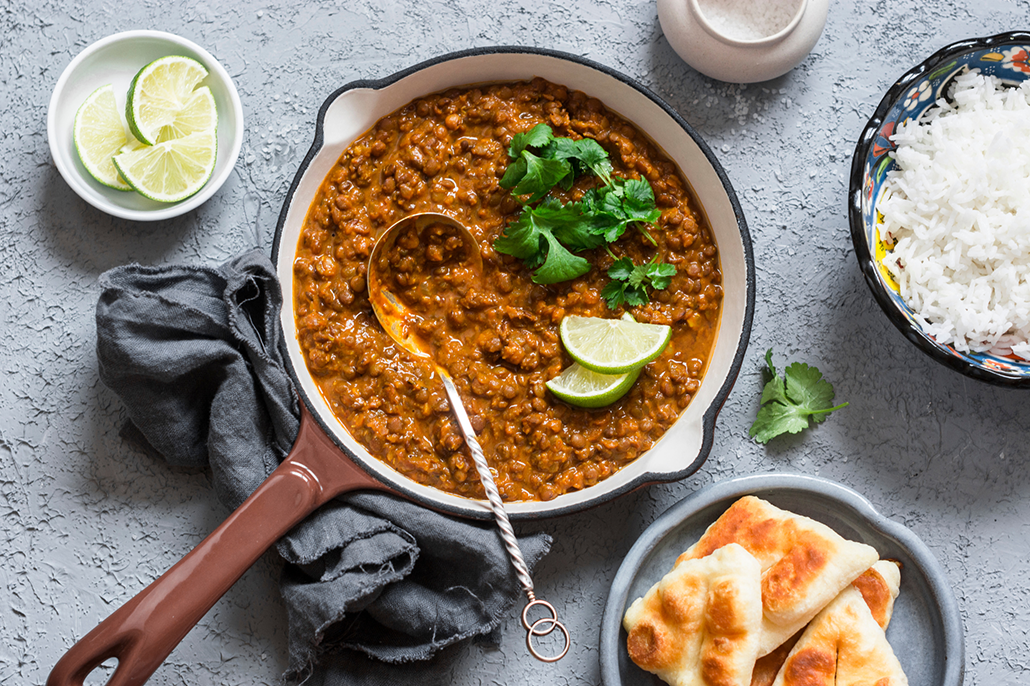
A relaxed table sets the tone for spicy food — when the pace is unhurried, flavours can be more satisfying.
Why Spicy Food Feels So Intense — and What It Does in the Body
The “burn” from spicy food doesn’t come from taste. It comes from capsaicin, the compound in chillies that triggers pain receptors in the mouth. Understanding this is key to knowing what to eat with spicy food, because the way capsaicin behaves explains why some pairings calm the heat while others make it worse.
Your brain reads that signal as heat, even though no actual damage is happening. That’s also why water doesn’t help much. Capsaicin isn’t water-soluble, so washing it around your mouth often spreads the sensation rather than calming it.
Interestingly, capsaicin does more than fire up your taste buds. Research suggests it can slightly increase thermogenesis — the process by which the body produces heat and burns energy. This can lead to a modest rise in metabolic rate and fat oxidation for several hours after eating, including during sleep. Summaries from Harvard Health Publishing and studies published in the British Journal of Nutrition point to this effect as real, but small.
This is why spicy food sometimes appears in discussions about eating spicy food for weight loss, though always as part of a broader, balanced pattern rather than a single strategy.
Dairy: The Classic Heat Tamer
If spicy food had a best mate, it would be dairy. It’s one of the most reliable ways to cool spicy food, thanks to how casein interacts with capsaicin.
Yoghurt, raita, labneh, sour cream and milk all work because they contain casein, a protein that binds to capsaicin and helps remove it from pain receptors. Fat also plays a role, which is why full-fat yoghurt is noticeably more soothing than low-fat versions.
Many cuisines built around spice — Indian, Middle Eastern, Mexican — naturally include yoghurt or dairy alongside heat. It’s not about muting flavour; it’s about balance.
A spoonful of plain yoghurt on the side of a curry doesn’t make it less authentic. It makes it more enjoyable.
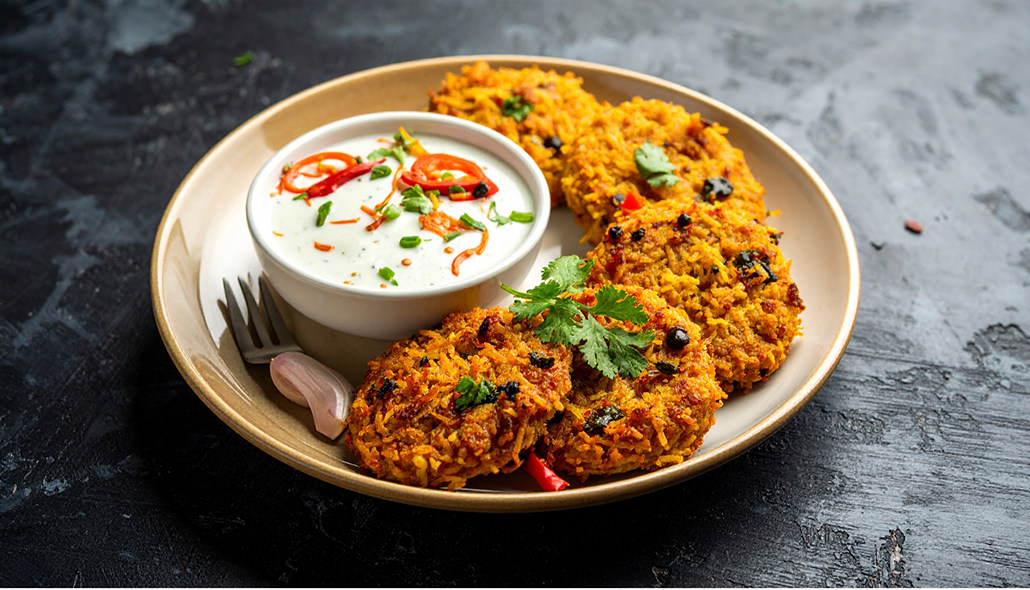
A simple yoghurt-based raita does more than cool the heat — it lets the spices shine without overwhelming the palate.
Carbs: The Unsung Hero
Plain rice, naan, roti, tortillas, potatoes and noodles all help by absorbing some of the capsaicin and diluting its intensity. They give the heat somewhere to go, rather than letting it sit front and centre.
This is why spicy dishes eaten on their own can feel harsher — there’s nothing buffering the chilli. A simple carb base doesn’t just fill you up; it makes the whole meal calmer and more satisfying.
Again, tradition got there first. Most spicy cuisines are built around a grounding starch for a reason.
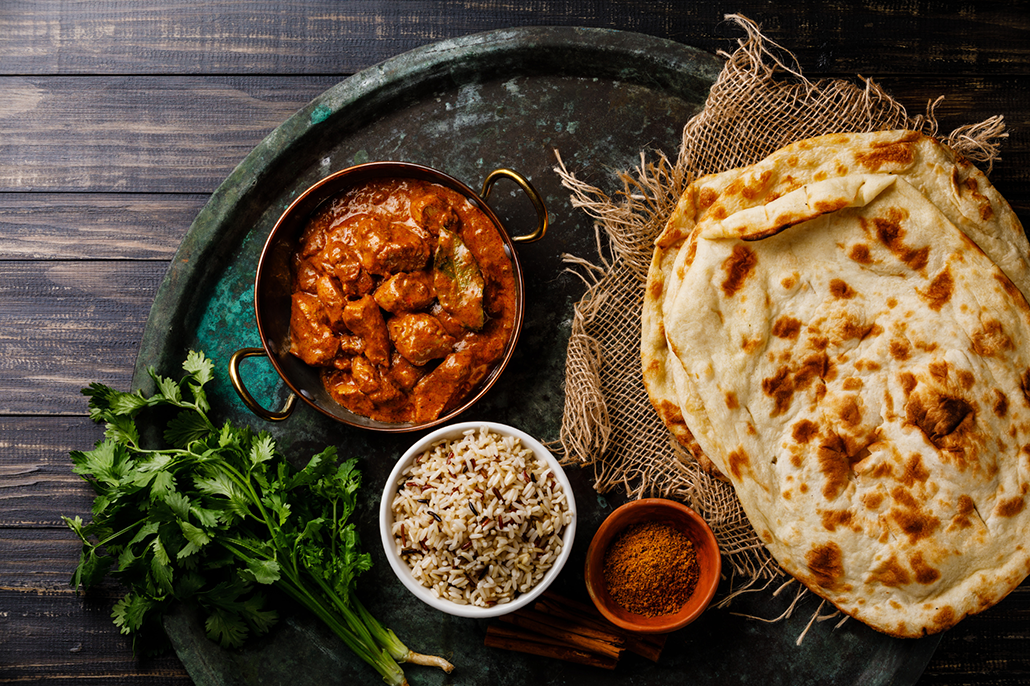
Soft naan plays an essential role, grounding spice and giving the heat somewhere to settle.
Coconut and cream: Softening the Edges
Fats help coat the mouth and reduce the intensity of perceived heat. Coconut milk and cream are particularly effective because they bring fat and a natural sweetness that softens chilli without overpowering it.
Think:
-
Thai curries with coconut milk
-
Peanut sauces
-
A side of avocado with a spicy salsa
These ingredients don’t cool spice completely — they round it out. The heat stays present, but it becomes warm and lingering rather than sharp.
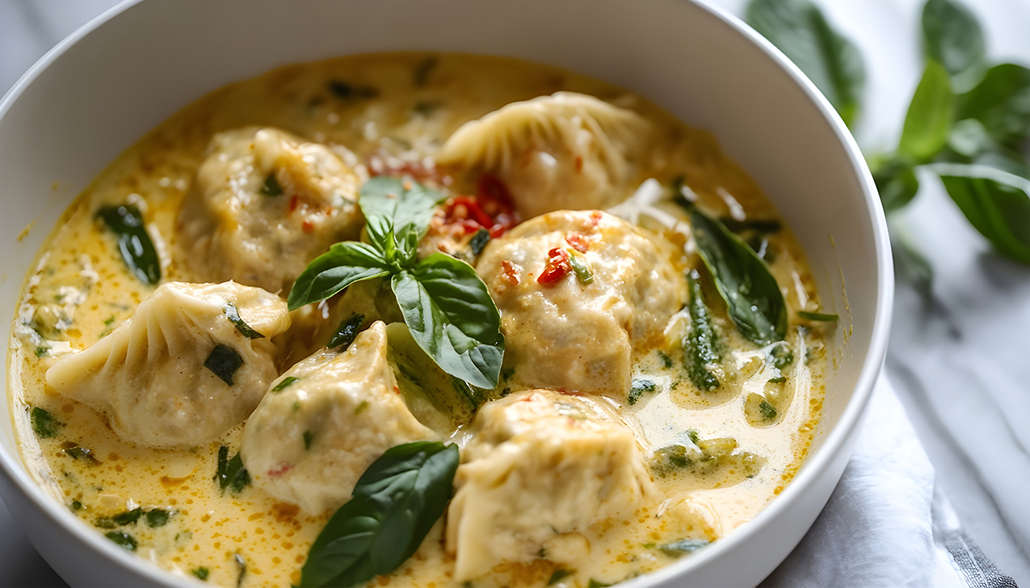
Coconut milk brings gentle richness to spicy dishes, rounding out chilli heat with natural sweetness.
Sweetness: A Little Contrast Goes a Long Way
Sweetness shifts how the brain experiences heat. A small amount is often enough.
Mango chutney, pickled pineapple, roasted sweet potato or a lightly sweet glaze can create contrast that makes spice feel intentional rather than overwhelming.
The trick is restraint. Sweet should support spice, not overpower it.
Best Drinks With Spicy Food (and What to Be Careful With)
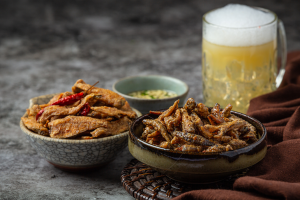
A light beer or lager can soften spice without competing with it — refreshing, not overpowering.
Drinks that help
-
Milk or yoghurt drinks
-
Light beer or lager
-
Slightly sweet white wines
-
Coconut water
These either cool, coat or gently distract the palate.
Drinks to approach with caution
-
High-alcohol spirits
-
Tannic red wines
-
Very fizzy soft drinks
Alcohol can intensify heat, tannins can clash, and bubbles may irritate already sensitive mouths.
As always, preferences vary. The best pairing is one your body actually enjoys.
Common Myths About What to Eat with Spicy Food
-
Water fixes everything — not really.
-
Toughing it out builds tolerance — enjoyment matters more.
-
Real spice should hurt — heat is meant to enhance flavour, not punish you.
Good spicy food is about balance, not bravado.
Putting It All Together: A Balanced Spicy Plate
A satisfying spicy meal usually includes:
-
One spicy element
-
One cooling or soothing element
-
One grounding carb
-
One gentle drink
For example: a spicy curry, steamed rice, a spoon of yoghurt, and a light beer or coconut water. Simple, repeatable, and satisfying.
Enjoy the Heat — the Steady Way
Spicy food doesn’t need to be endured to be appreciated. Knowing what to eat with spicy food — pairing it thoughtfully with protein, grounding carbs and cooling elements — can turn heat into something comforting, flavourful and easy to live with, supporting enjoyment and consistency rather than extremes.
Capsaicin may offer a small metabolic lift for a few hours, including overnight, but its real value sits elsewhere.
Like most good things, spice isn’t a strategy. It’s simply one more way to make everyday meals nourishing, interesting and enjoyable — both at the table and the next morning.
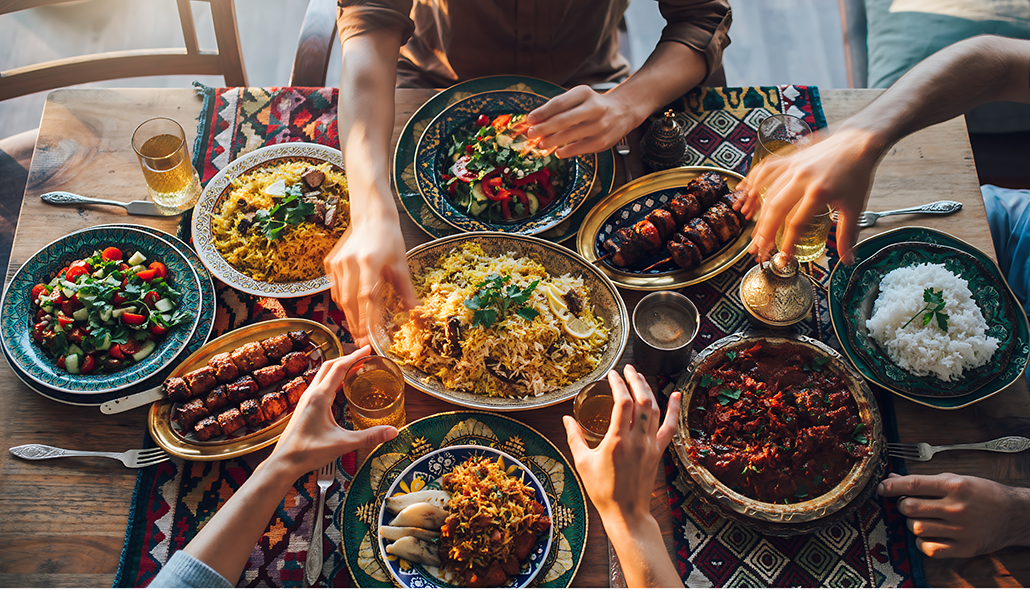
Spicy food is meant to be shared — balanced dishes, easy company and a table that invites you to stay.
Editor’s note
This article is intended as general food and lifestyle information only, and reflects a steady, everyday approach to eating rather than personalised nutrition advice.
Sources
-
Harvard Health Publishing
Articles exploring capsaicin, thermogenesis, metabolism and appetite regulation, written for a general audience and grounded in medical research. -
British Journal of Nutrition
Peer-reviewed studies examining the effects of chilli and capsaicin on energy expenditure, fat oxidation and metabolic response. -
National Institutes of Health
Research summaries and clinical studies on capsaicin, sensory response to spicy food, and its broader physiological effects.