
How to Achieve Life Balance with Quality Sleep
Are you lying in bed, wide awake after a long day, unable to switch off? You’re not alone. In our fast-paced world, sleep is often the first thing we sacrifice to keep up with work and life demands.
Yet, the quality of your rest can make or break your ability to maintain balance and feel good overall. When sleep suffers, so does everything else—from productivity to relationships and even how we handle stress.
This blog dives into the sleep-work-life connection and explores practical ways to reclaim better rest for a healthier, more balanced life.
This article includes links to our affiliate partners. We may earn a commission if you click on these links, make a purchase through them, or share this content.

The Importance of Sleep for Work-Life Balance
Inadequate sleep is a common issue in Australia, with estimates suggesting that four in every 10 Australians regularly experience insufficient rest. This widespread lack of sleep affects learning, decision-making, and increases the risk of mental and physical illnesses.
Sleep deprivation diminishes productivity at work and spills over into personal life, triggering mood swings, mental fatigue, and strained relationships.Left unchecked, this imbalance can lead to burnout, leaving little energy or time for the things that matter most.
Getting enough sleep isn’t a luxury—it’s vital for sustaining physical health, emotional wellbeing, and overall life balance.
Health Benefits of Quality Sleep
Achieving quality sleep isn’t just about feeling refreshed—it plays a crucial role in maintaining both physical and mental health. Consistent, restorative sleep can lower the risk of chronic illnesses like heart disease and diabetes, making it as important as a balanced diet or regular exercise.
Quality sleep also serves as a powerful tool for mental health. It helps manage stress, improves mood, and sharpens decision-making skills. Without enough sleep, it’s harder to stay calm, think clearly, or respond to daily challenges. Organisations like the Australian Institute of Health and Welfare and the Sleep Health Foundation highlight how sleep impacts overall health, reinforcing why it deserves a spot on your list of priorities.
FAQs: How to Get a Good Night’s Sleep
How many hours of sleep do I need?
Adults typically require 7–9 hours of sleep each night to function optimally. However, individual needs may vary. Monitoring your daytime alertness can help determine if you’re meeting your personal sleep requirements.
What are the best pre-sleep routines?
Establishing a consistent bedtime routine can significantly improve sleep quality. Consider the following tips:
- Maintain a Regular Schedule: Aim to go to bed and wake up at the same time daily, even on weekends.
- Limit Screen Exposure: Reduce screen time at least an hour before bed to minimise blue light interference.
- Engage in Relaxing Activities: Opt for calming pre-sleep activities such as reading or gentle stretching. New York Post
- Create a Sleep-Conducive Environment: Keep your bedroom dark, quiet, and cool to promote better sleep.
Which foods and products aid better sleep?
Certain foods and products can enhance sleep quality:
- Sleep-Inducing Foods: Incorporate foods rich in magnesium and tryptophan, such as bananas, almonds, and dairy products. These nutrients are known to promote relaxation and improve sleep.
- Herbal Teas: Consuming herbal teas like chamomile can help you wind down before bedtime.
- Sleep Accessories: Products such as supportive pillows, blackout curtains, and white noise machines can create a more comfortable sleep environment. Explore options available on Amazon Australia.
How can I manage sleep when life gets stressful?
Stress can significantly impact sleep quality. To manage sleep during stressful periods:
- Practice Relaxation Techniques: Engage in deep breathing exercises or journaling before bed to clear your mind.
- Monitor Intake: Limit caffeine and alcohol consumption later in the day, as they can disrupt sleep patterns.
- Seek Professional Support: If stress persists and continues to affect your sleep, consider consulting a healthcare professional for further assistance.
Quality sleep is achievable through small, consistent actions that can make a significant difference in your overall wellbeing.
Practical Tips and Tools for Better Sleep
Achieving a good night’s sleep involves adopting effective habits and using supportive tools. Here’s how you can enhance your sleep routine:
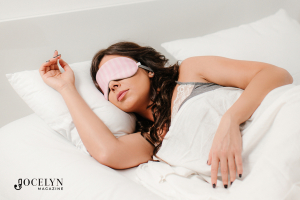
Sleep Environment
Optimise your bedroom to promote relaxation:
- Sleep Masks: Use sleep masks to block out light and enhance comfort. For instance, the FRESHME Cotton Sleep Eye Mask offers significant light-blocking capability and is padded for maximum comfort. Buy at Amazon Australia
- Satin Pillowcases: Incorporate satin pillowcases to reduce friction on your hair and skin, contributing to a more comfortable sleep. The Kitsch 100% Satin Pillowcase is a premium option that protects hair from frizz and breakage. Buy at Amazon Australia
- Calming Sleep Sprays: Apply calming sleep sprays with scents like lavender to create a soothing atmosphere. The Kitsch Sleep Mist Pillow Spray offers a calming lavender scent designed to promote relaxation. Buy at Amazon Australia
- White Noise Machines: Create a calming environment with white noise machines available on Amazon Australia.
Diet
What you eat can influence your sleep:
- Sleep-Friendly Foods: Incorporate foods rich in tryptophan, such as turkey or almonds, into your diet. These can easily fit within the CSIRO Total Wellbeing Diet, a high-protein, low-GI eating plan designed to promote overall health and well-being.
Lifestyle Changes
Simple lifestyle adjustments can promote better sleep:
- Regular Sleep Schedule: Going to bed and waking up at the same time each day helps regulate your body’s internal clock.
- Reduce Screen Time: Limiting exposure to screens at least an hour before bed can reduce blue light interference, promoting better sleep.
- Relaxation Techniques: Engaging in relaxation techniques, such as deep breathing or gentle yoga, can help you unwind before bedtime.
Travel for Rest
Sometimes, a change of scenery can enhance relaxation and sleep quality:
- Restful Getaways: Consider a rejuvenating weekend at accommodations like Oaks Hotels, where you can escape daily stresses and recharge in a comfortable environment.
Better Sleep Leads to Better Life Balance
Sleep is the foundation of work-life balance. By making small changes today, you can transform your nights and, ultimately, your life. Quality sleep enhances productivity, mood, and overall health, enabling you to navigate daily challenges with ease.
Consider taking action now. Incorporate sleep-inducing foods into your diet, such as warm milk or a light snack rich in tryptophan, as recommended by the CSIRO Total Wellbeing Diet. Enhance your sleep environment with products like sleep masks, satin pillowcases, calming sleep sprays or white noise machines. Plan a restful weekend getaway at Oaks Hotels to rejuvenate your senses.
Remember, prioritising sleep isn’t a luxury—it’s essential for maintaining both physical health and emotional wellbeing. By embracing these small changes, you’re investing in a more balanced and fulfilling life.

Published 18 March 2025