Tag Archive for: mature travellers

Why Travel Insurance for Pre-Existing Conditions Matters

Perfect health isn’t a prerequisite for meaningful travel. When journeys are shaped around real lives — not idealised versions of them — travelling together becomes calmer, richer, and more rewarding.

THERE was a time when planning a trip meant little more than choosing dates, booking somewhere to stay, and deciding how many books I could reasonably justify packing.

As we approach retirement years, travel planning still begins with excitement, but it also includes a few considerations that don’t always make it into glossy brochures. Things like medications. Energy levels. Comfort. And the unspoken awareness that bodies don’t always behave the way they once did.

That shift doesn’t make travel smaller. If anything, it makes it more intentional.

*This article contains affiliate links. If you click through and make a purchase, we may earn a commission, at no extra cost to you. It’s how we keep creating helpful stories and guides for you.

Travel Insurance for Pre-Existing Conditions - A little research before departure — because travel insurance for pre-existing conditions is easier sorted at the kitchen bench than at the airport.

A little research before departure — because travel insurance for pre-existing conditions is easier sorted at the kitchen bench than at the airport.

Travelling Together Means Planning Differently

Travelling with someone else — especially someone a little older, or managing health conditions — changes the tone of planning in subtle but important ways. You’re no longer just responsible for yourself. You’re also thinking about pacing, contingencies, and what happens if something goes sideways far from home.

That doesn’t mean anxiety takes over. It just means realism has a seat at the table.

  • A slightly later start to the day.
  • A lift instead of the stairs.
  • A café stop instead of pushing on.

These adjustments aren’t compromises. They’re choices that make the trip work better — and often more enjoyably — for everyone involved.

Letting Go of the ‘Perfect Traveller’ Myth

There’s a persistent idea that travel should look effortless. That if you’re doing it properly, you’re energetic, flexible, and unfazed by long days, missed connections, or unfamiliar beds.

But most real travellers don’t fit that mould, especially as we get older.

Joints complain. Sleep can be fickle. Familiar routines become important. And that’s before you factor in diagnosed conditions, ongoing treatments, or the simple truth that no two bodies travel the same way.

Letting go of the “perfect health” expectation is oddly liberating. It allows travel to be shaped around real lives, rather than forcing real lives to perform for travel.

How Travel Insurance for Pre-Existing Conditions Supports Real-Life Journeys

One of the less glamorous aspects of travel is the admin nobody really wants to think about. Insurance. Medication lists. Backup plans. Emergency contacts tucked into a wallet or phone.

It’s not exciting, but it’s deeply enabling.

Knowing that you’ve covered the basics frees up mental space to enjoy where you are. It turns “what if?” into “we’ve thought about that” and then lets you get on with the good part: being away together.

For travellers managing health conditions, or travelling with someone who is, insurance becomes less about price and more about clarity. What’s covered. What needs to be declared. And whether the policy aligns with real circumstances, rather than ideal ones.

That’s where specialist providers like AllClear Travel Insurance come into the picture; not as a dramatic safety net, but as practical support for travellers who don’t tick every easy box.

Peace of Mind Is Part of the Packing List

Travelling together when health isn’t perfect doesn’t mean scaling back dreams. It means redefining what a good trip looks like.

  • Sometimes that’s fewer destinations and longer stays.
  • Sometimes it’s choosing comfort over novelty.
  • Sometimes it’s saying yes to rest days without guilt.

And often, it’s discovering that the best moments aren’t the ones you rushed to tick off, but the ones you lingered over because you could.

  • A shared coffee watching the world go by.
  • A scenic train journey instead of a long drive.
  • A hotel balcony at sunset, doing absolutely nothing.

These are not second-best experiences. They’re often the ones you remember the longest.

Travelling wisely, not fearfully

There’s a difference between travelling cautiously and travelling wisely.

Wise travel acknowledges reality without letting it dominate the experience. It plans for support, not disaster. It chooses reassurance over bravado. And it understands that independence isn’t about pretending you don’t need help; it’s about setting yourself up, so you don’t.

For many of us, that wisdom comes with time. And with it, a deeper appreciation for travel that feels calm, considered, and shared.

Because the joy of travelling together isn’t found in ticking every box. It’s found in making sure everyone arrives home with good memories and the confidence that the trip was shaped around who you are now, not who you used to be.

Travel Insurance for Pre-Existing Conditions - Comfort, companionship, and a little forward planning.

Comfort, companionship, with a little forward planning.

🌿 Travel Essentials

Planning a trip? A comfortable place to stay and the right travel insurance can make all the difference between a good getaway — and a relaxed one.

For accommodation across Australia and New Zealand, I often look at Oaks Hotels & Resorts — practical, well-located and easy to settle into.

And for travellers managing pre-existing conditions or simply wanting thoughtful cover, AllClear Travel Insurance specialises in policies designed for real-life bodies and real-life trips.

→ Browse accommodation with Oaks
→ Explore travel insurance options with AllClear

These are affiliate links, which means Jocelyn Magazine may receive a small commission at no extra cost to you.
What You Really Need for Rail & Road: Slow Travel Essentials Australia

Slow travel isn’t about moving slowly for the sake of it. It’s about moving intentionally, whether by rail across vast landscapes or by road through regional towns. Here’s what to pack, book and consider before you go.

THERE’S a difference between travelling fast and travelling well.

Slow travel — whether by rail across Queensland or by road through New South Wales or Tasmania — isn’t about ticking destinations off a list. It’s about noticing where you are. Watching landscapes shift. Lingering longer than planned.

But considered travel still benefits from practical preparation. In Slow Travel Essentials Australia, here’s what I’ve learned makes the journey smoother.

This article contains affiliate links. If you click through and make a purchase, we may earn a commission, at no extra cost to you. It’s how we keep creating helpful stories and guides for you.

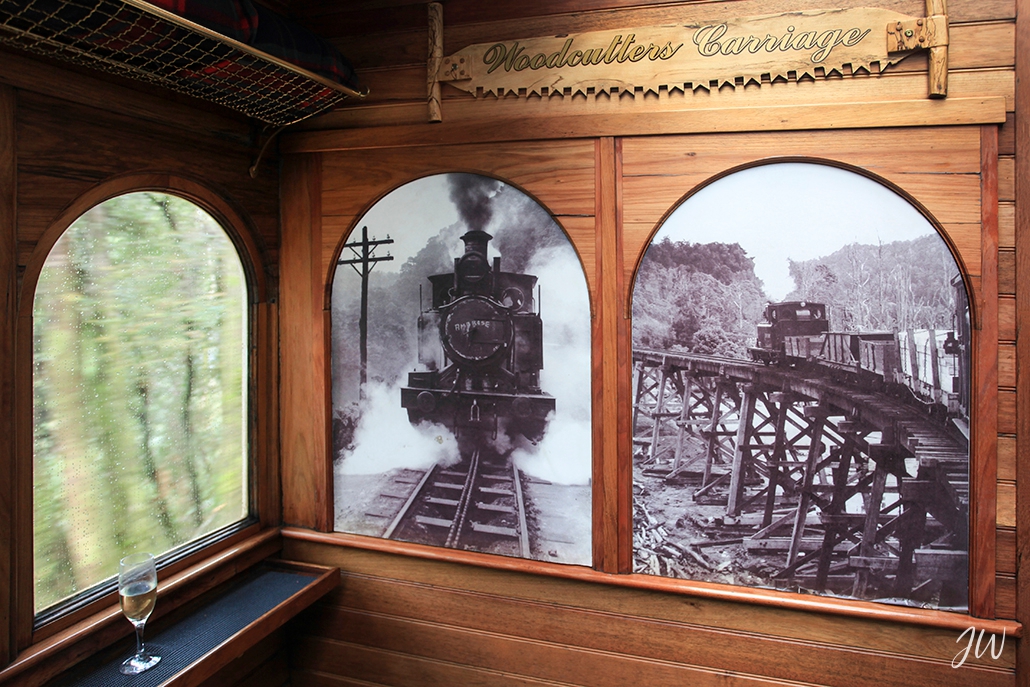
slow travel essentials Australia - Woodcutters carriage interior on West Coast Wilderness Railway Tasmania

The West Coast Wilderness Railway threads through rainforest and river valleys, a reminder that slow travel in Tasmania is as much about landscape as destination.


1. Choose the Right Luggage (Especially for Rail)

Rail travel rewards compact packing. Unlike airports, you’ll often lift your own case onto luggage racks or up small carriage steps. A medium-sized suitcase or soft-sided case with smooth wheels works better than oversized hard shells.

For road trips, flexibility matters. A soft duffel or modular packing cubes can be easier to stack in a boot.

What to look for:

  • Lightweight construction

  • Smooth wheels

  • Organised compartments

  • Easy-access outer pocket

Travel Gear That Travels Well

If you’re upgrading luggage or packing tools for your next rail or road journey, choose lightweight pieces designed for regional travel.

Browse Travel Essentials


2. Travel Insurance (Peace of Mind Matters More Than Speed)

Slow travel often involves regional areas, multi-stop itineraries and longer stays.

Travel insurance isn’t glamorous, but it’s grounding. Particularly for mature travellers or those with pre-existing conditions.

Things to check:

  • Cover for regional and remote areas

  • Pre-existing condition coverage

  • Cancellation flexibility

  • Rail or road inclusions

Travel Insurance for Regional Australia

For rail journeys and extended road trips, comprehensive cover provides peace of mind — especially for mature travellers.

Compare Travel Insurance Options


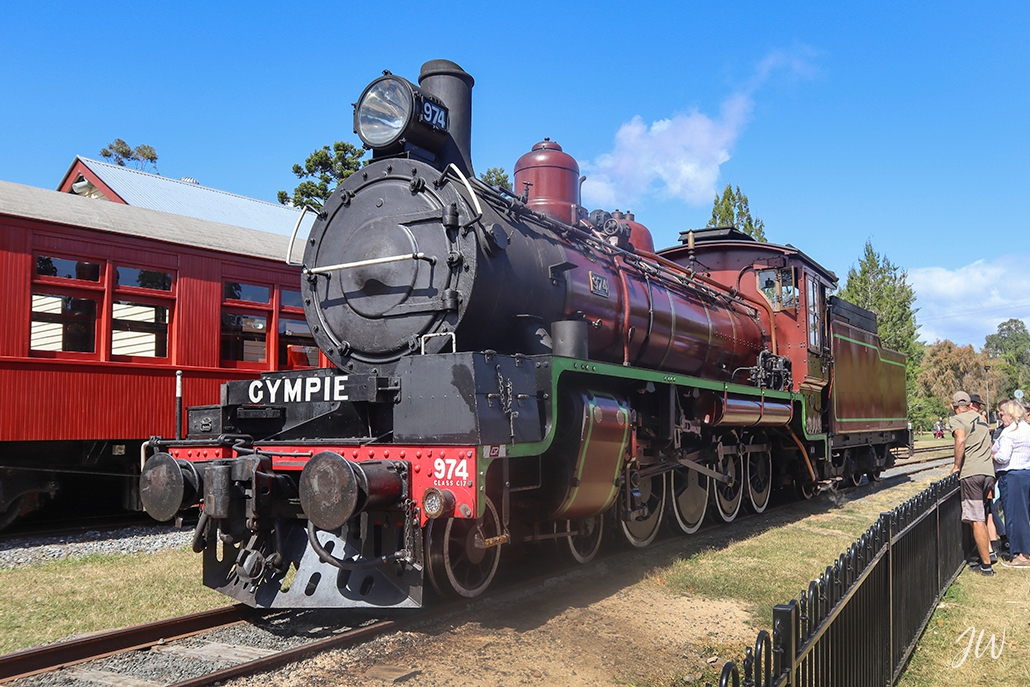
slow travel essentials Australia - Mary Valley Rattler steam locomotive 974 in Gympie Queensland

The Mary Valley Rattler keeps steam-era travel alive; brass fittings, timber carriages and the steady rhythm of wheels on track.


3. Plan Your Accommodation

Slow travel works best when accommodation becomes part of the experience.

That might mean a heritage hotel near a railway station, a regional retreat close to walking trails or a coastal apartment where you have time to unpack properly.

Rather than one-night stops, consider two- or three-night stays.

Stay Somewhere Worth Lingering

Slow travel works best when your accommodation becomes part of the story, not just a place to sleep.

Explore Regional Stays


4. Choosing the Right Car (When the Road Beckons)

Not every slow journey happens on rails.

Australia’s regional distances are vast, and road trips offer a kind of freedom trains can’t; sunrise detours, coastal pull-offs, small-town bakeries you didn’t plan for.

If you’re hiring a car, comfort matters more than image.

For longer regional drives, consider:

  • A mid-size SUV for visibility and comfort

  • Good fuel efficiency (especially in remote stretches)

  • Airport pick-up for convenience

  • Clear excess and insurance terms

Slow travel by road works best when the car feels like part of the experience, not just transport.

Drive at Your Own Pace

Slow travel doesn’t mean standing still. It means having the freedom to turn off when something catches your eye. From compact cars to SUVs suited to longer regional routes, choosing a trusted national provider can make the journey feel steadier from the start.

Book with Avis Car Rentals


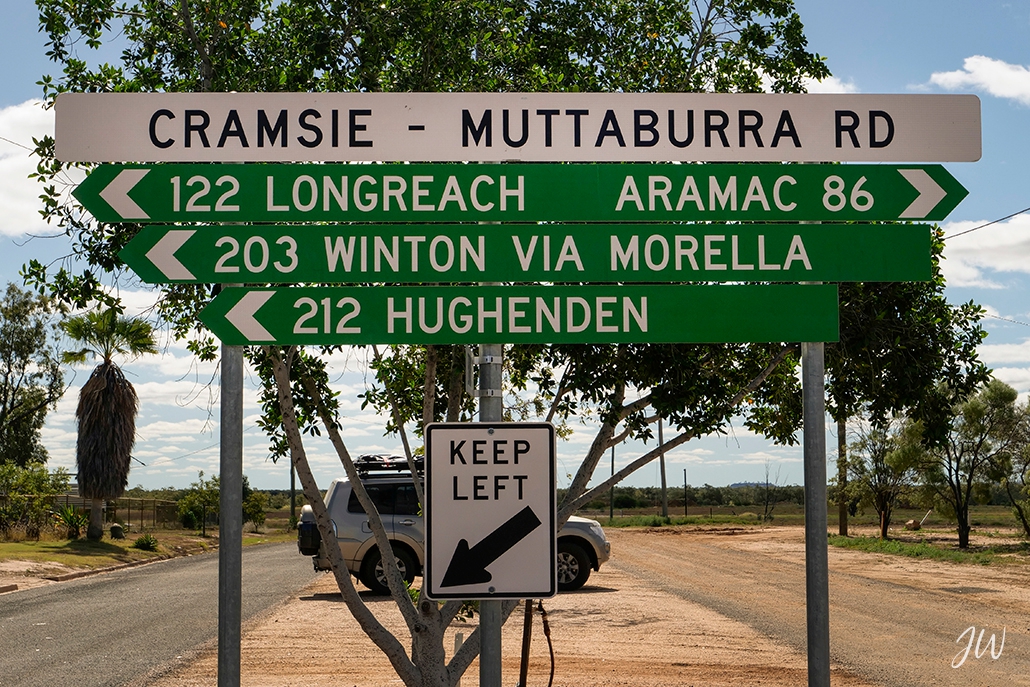
slow travel essentials Australia - Outback Queensland road trip directions sign

In outback Queensland, distances are measured in hundreds of kilometres — and every signpost feels like a quiet promise of what lies ahead.


5. A Flexible Itinerary (Especially for Road Trips)

Road trips in Australia are about distance and light.

Allow:

  • Extra daylight buffer

  • Regional café stops

  • Unplanned scenic detours

  • Fuel gaps in rural areas

Download offline maps. Carry water. Build space into the schedule.

Slow travel works best when you’re not chasing it.


6. A Travel Journal (Yes, Still)

There’s something about trains and long stretches of highway that invites reflection.

A small notebook weighs nothing and becomes unexpectedly valuable later, especially if you’re someone who writes, photographs or simply notices.

Slow travel is as much internal as external.

Travel Journals for the Journey

A simple notebook can become one of the most valuable things you carry. Whether you jot down train-side reflections, roadside observations or favourite cafés, a dedicated travel journal turns fleeting moments into lasting stories.

Browse Travel Journals on Amazon

slow travel essentials Australia - Karlu Karlu (Devils Marbles) rock formations in the Northern Territory

Karlu Karlu — known as the Devils Marbles — rises from the red earth of the Northern Territory, grounding any road trip in geological time.


7. Food Planning (Without Overplanning)

One of the quiet pleasures of slow travel is discovering local produce.

Rather than booking every meal:

  • Research one standout restaurant

  • Visit a regional bakery

  • Look for farmers’ markets

  • Pack a simple picnic kit

Food becomes part of the landscape.


8. Leave Margin

The real essential isn’t an item. It’s space.

Space in your suitcase, room in your itinerary and breathing space in your thinking.

Slow travel isn’t about doing less. It’s about experiencing more.


Final Thoughts

Whether you’re boarding a heritage railway, driving a coastal highway or weaving through inland towns, slow travel in Australia rewards those who prepare lightly and move thoughtfully.

Pack carefully. Book wisely. Leave room for the unexpected. That’s where the stories begin.

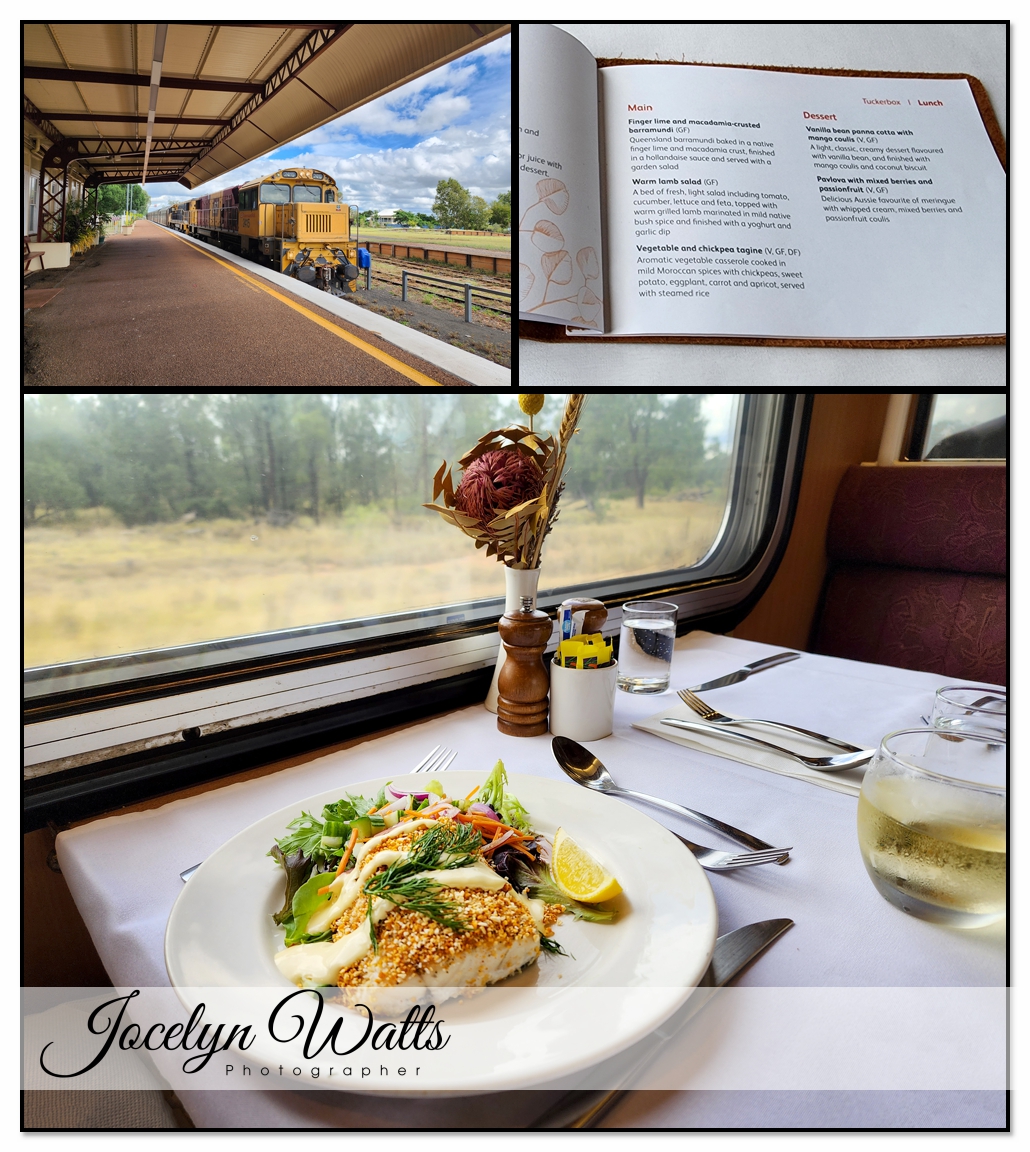
slow travel essentials Australia - Dining carriage meal aboard the Spirit of the Outback train

On the Spirit of the Outback, the journey unfolds beyond the window: red soil, long horizons and time enough for lunch and conversation.