
Planning a K’gari escape from Hervey Bay? Discover your options for taking barges, tours, our own 4WD, day trips and overnight stays, plus why slowing down around Kingfisher Bay can be part of the experience.
Tag Archive for: Australian travel
What You Really Need for Rail & Road: Slow Travel Essentials Australia
Slow travel isn’t about moving slowly for the sake of it. It’s about moving intentionally, whether by rail across vast landscapes or by road through regional towns. Here’s what to pack, book and consider before you go.
THERE’S a difference between travelling fast and travelling well.
Slow travel — whether by rail across Queensland or by road through New South Wales or Tasmania — isn’t about ticking destinations off a list. It’s about noticing where you are. Watching landscapes shift. Lingering longer than planned.
But considered travel still benefits from practical preparation. In Slow Travel Essentials Australia, here’s what I’ve learned makes the journey smoother.
This article contains affiliate links. If you click through and make a purchase, we may earn a commission, at no extra cost to you. It’s how we keep creating helpful stories and guides for you.
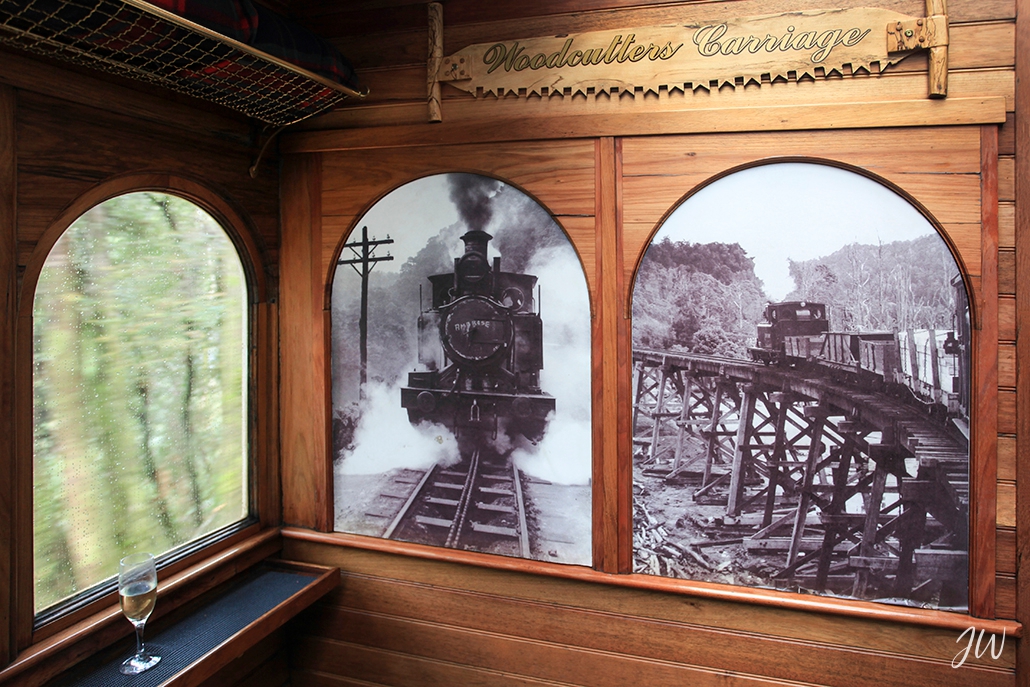
The West Coast Wilderness Railway threads through rainforest and river valleys, a reminder that slow travel in Tasmania is as much about landscape as destination.
1. Choose the Right Luggage (Especially for Rail)
Rail travel rewards compact packing. Unlike airports, you’ll often lift your own case onto luggage racks or up small carriage steps. A medium-sized suitcase or soft-sided case with smooth wheels works better than oversized hard shells.
For road trips, flexibility matters. A soft duffel or modular packing cubes can be easier to stack in a boot.
What to look for:
-
Lightweight construction
-
Smooth wheels
-
Organised compartments
-
Easy-access outer pocket
Travel Gear That Travels Well
If you’re upgrading luggage or packing tools for your next rail or road journey, choose lightweight pieces designed for regional travel.
2. Travel Insurance (Peace of Mind Matters More Than Speed)
Slow travel often involves regional areas, multi-stop itineraries and longer stays.
Travel insurance isn’t glamorous, but it’s grounding. Particularly for mature travellers or those with pre-existing conditions.
Things to check:
-
Cover for regional and remote areas
-
Pre-existing condition coverage
-
Cancellation flexibility
-
Rail or road inclusions
Travel Insurance for Regional Australia
For rail journeys and extended road trips, comprehensive cover provides peace of mind — especially for mature travellers.
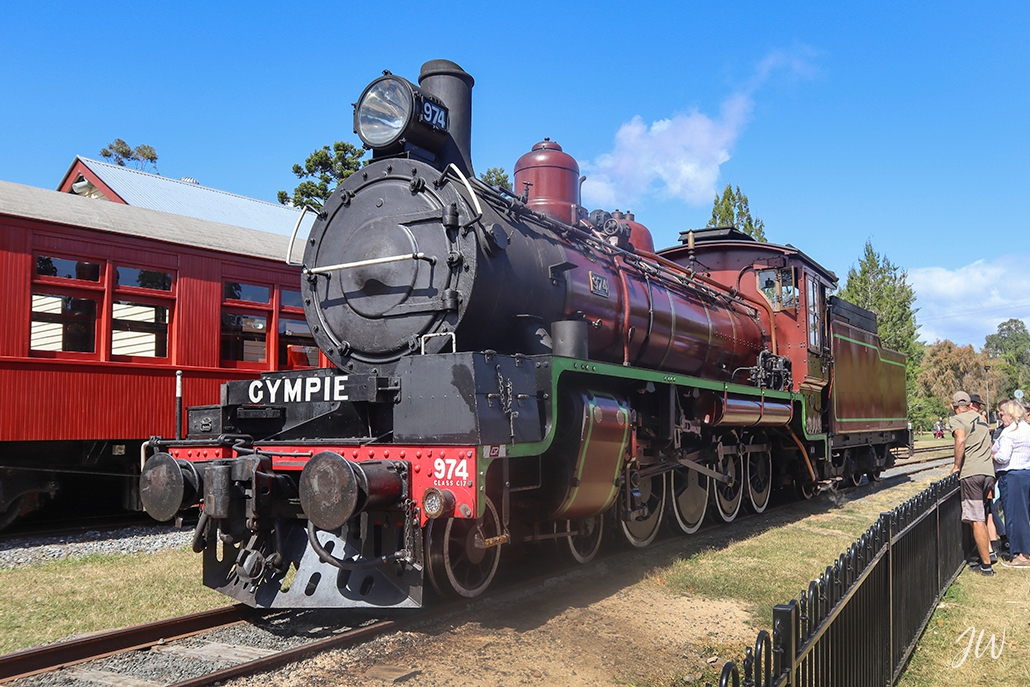
The Mary Valley Rattler keeps steam-era travel alive; brass fittings, timber carriages and the steady rhythm of wheels on track.
3. Plan Your Accommodation
Slow travel works best when accommodation becomes part of the experience.
That might mean a heritage hotel near a railway station, a regional retreat close to walking trails or a coastal apartment where you have time to unpack properly.
Rather than one-night stops, consider two- or three-night stays.
Stay Somewhere Worth Lingering
Slow travel works best when your accommodation becomes part of the story, not just a place to sleep.
4. Choosing the Right Car (When the Road Beckons)
Not every slow journey happens on rails.
Australia’s regional distances are vast, and road trips offer a kind of freedom trains can’t; sunrise detours, coastal pull-offs, small-town bakeries you didn’t plan for.
If you’re hiring a car, comfort matters more than image.
For longer regional drives, consider:
-
A mid-size SUV for visibility and comfort
-
Good fuel efficiency (especially in remote stretches)
-
Airport pick-up for convenience
-
Clear excess and insurance terms
Slow travel by road works best when the car feels like part of the experience, not just transport.
Drive at Your Own Pace
Slow travel doesn’t mean standing still. It means having the freedom to turn off when something catches your eye. From compact cars to SUVs suited to longer regional routes, choosing a trusted national provider can make the journey feel steadier from the start.
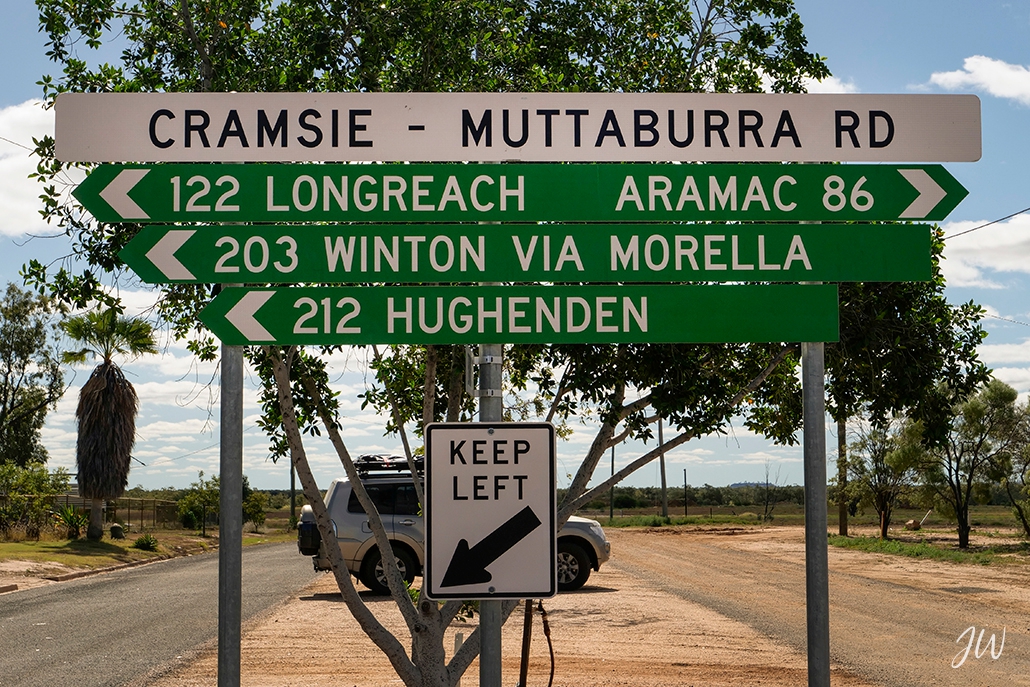
In outback Queensland, distances are measured in hundreds of kilometres — and every signpost feels like a quiet promise of what lies ahead.
5. A Flexible Itinerary (Especially for Road Trips)
Road trips in Australia are about distance and light.
Allow:
-
Extra daylight buffer
-
Regional café stops
-
Unplanned scenic detours
-
Fuel gaps in rural areas
Download offline maps. Carry water. Build space into the schedule.
Slow travel works best when you’re not chasing it.
6. A Travel Journal (Yes, Still)
There’s something about trains and long stretches of highway that invites reflection.
A small notebook weighs nothing and becomes unexpectedly valuable later, especially if you’re someone who writes, photographs or simply notices.
Slow travel is as much internal as external.
Travel Journals for the Journey
A simple notebook can become one of the most valuable things you carry. Whether you jot down train-side reflections, roadside observations or favourite cafés, a dedicated travel journal turns fleeting moments into lasting stories.
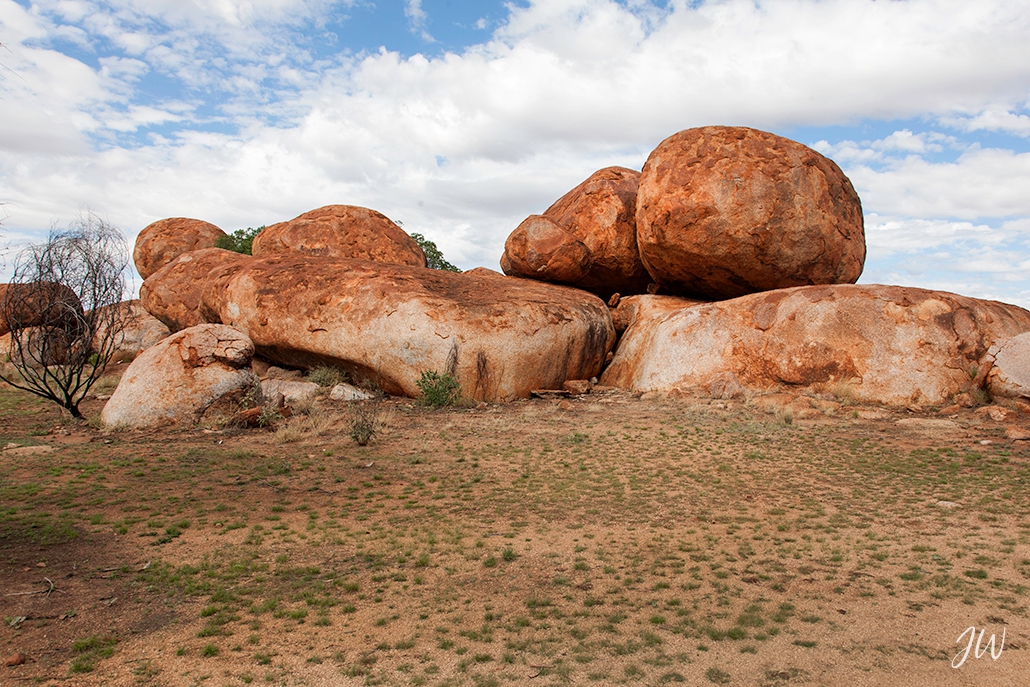
Karlu Karlu — known as the Devils Marbles — rises from the red earth of the Northern Territory, grounding any road trip in geological time.
7. Food Planning (Without Overplanning)
One of the quiet pleasures of slow travel is discovering local produce.
Rather than booking every meal:
-
Research one standout restaurant
-
Visit a regional bakery
-
Look for farmers’ markets
-
Pack a simple picnic kit
Food becomes part of the landscape.
8. Leave Margin
The real essential isn’t an item. It’s space.
Space in your suitcase, room in your itinerary and breathing space in your thinking.
Slow travel isn’t about doing less. It’s about experiencing more.
Final Thoughts
Whether you’re boarding a heritage railway, driving a coastal highway or weaving through inland towns, slow travel in Australia rewards those who prepare lightly and move thoughtfully.
Pack carefully. Book wisely. Leave room for the unexpected. That’s where the stories begin.
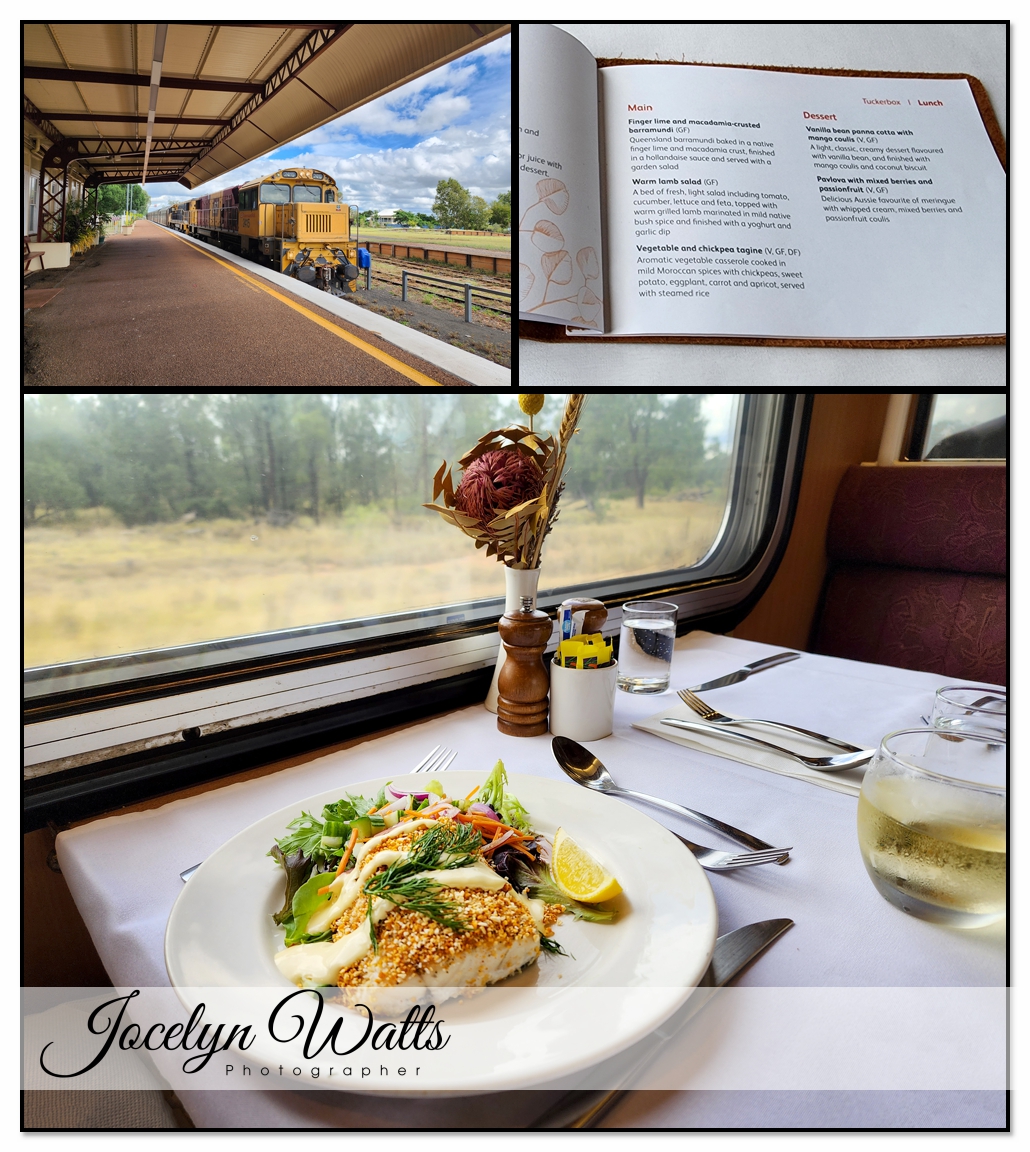
On the Spirit of the Outback, the journey unfolds beyond the window: red soil, long horizons and time enough for lunch and conversation.
What It’s Really Like to Stay at Oaks Port Douglas Resort
OCTOBER in Far North Queensland has a certain magic about it. The humidity eases just enough, the skies behave themselves (mostly), and the crowds thin as the annual tourist season winds down. It turned out to be the perfect time for a trip to Port Douglas — not just for a holiday, but for something far more special: my youngest son’s wedding.
Port Douglas is one of those Australian destinations that manages to feel both relaxed and special at the same time.
I spent four nights in there, staying at Oaks Port Douglas Resort, and from the moment I arrived, it felt like one of those trips where everything gently falls into place — even the small mishaps.
Affiliate disclosure: This article may contain affiliate links. If you choose to book through these links, Jocelyn Magazine may earn a small commission at no extra cost to you.
The Long Road (and Air) to the Tropics
Getting there was an adventure in itself. After a long day bussing from Hervey Bay to Brisbane, flying north to Cairns, then hopping into a hire car for the scenic drive up to Port Douglas, I arrived well past “decision-making capacity”.
So when the friendly staff explained the layout of the resort at check-in, I nodded politely… and absorbed almost none of it.
Cue me wandering around the resort grounds shortly afterwards, luggage in tow, looking mildly lost and increasingly amused at myself. Salvation came in the form of a young girl — about ten — still dripping from the pool and heading back to her family’s room. She spotted my confusion and cheerfully gave me clear directions. A very Port Douglas welcome.
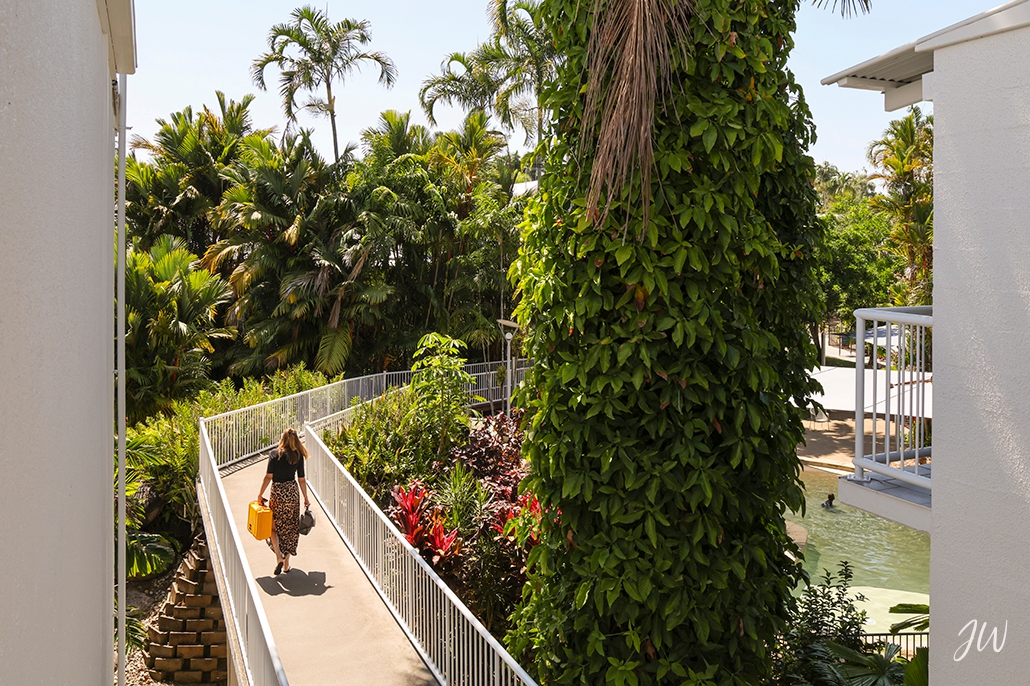
I finally hauled my suitcase up several flights of stairs, congratulated myself on surviving, and went to bed — only to wake the next morning and discover there was a ramp within about 20 metres of my room, making all that stair-traipsing completely unnecessary.
Doh. I should have listened. 😄
Oaks Port Douglas Room That Gets You Instantly
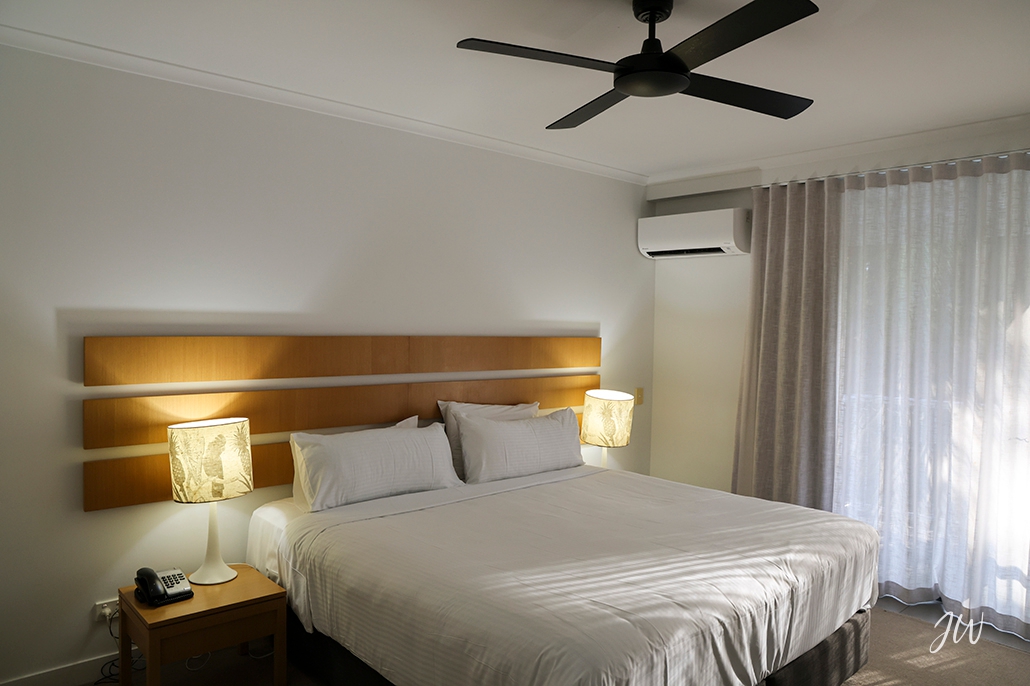
Inside the air-conditioned room, the TV was playing ABC Jazz when I arrived at the Oaks Port Douglas— a small touch, but such a good one. It felt welcoming straight away.
The room was spacious, comfortable and thoughtfully laid out, with a proper desk positioned right beside the balcony door. For a travel writer with a laptop, this was gold: natural light during the day, and a leafy outlook to rest tired eyes between sentences.
The room also included tea and coffee facilities, a mini-fridge, microwave and reliable Wi-Fi — everything you need if you want the flexibility of eating in or working a little while away.
The balcony quickly became my favourite spot. On my first morning, I had breakfast there, surrounded by lush tropical palms and greenery. From what I could see, most rooms enjoy similar garden or pool views, which gives the whole resort a calm, cocooned feel.
Planning other stays? See my guide to Oaks Hotels & Resorts for what to expect from the brand, who it suits and more first-hand Oaks reviews.
Poolside Lunches and Proper Unwinding
While waiting for family members to arrive in Port Douglas, I settled into holiday mode with lunch by the lagoon-style pool. The Pumpkin & Ricotta Arancini — served with turmeric mayonnaise and pickled onions — hit that perfect note between indulgent and light. Exactly what you want in the tropics.
Later that afternoon, I treated myself to a deep tissue massage, followed by a hand and foot manicure at the day spa. By the time evening rolled around, I was so relaxed I barely remembered what day it was — always a good sign.
That night, we gathered at the Court House Hotel, right in the heart of town. It’s a classic Aussie pub serving familiar favourites — unfussy, friendly, and ideal for a casual family dinner. Afterwards, we wandered down to take in the tropical sunset and peek at the wedding venue, just a short stroll away.
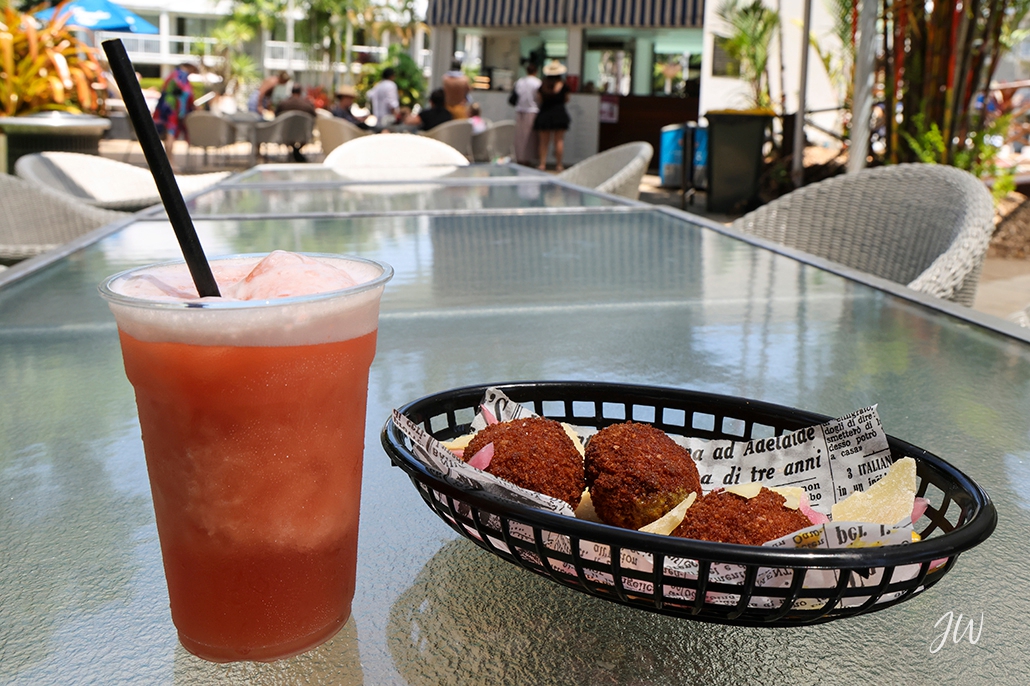
A leisurely poolside lunch — pumpkin & ricotta arancini with a tropical fruit drink.
Breakfasts, Wildlife and Family-Friendly Surprises
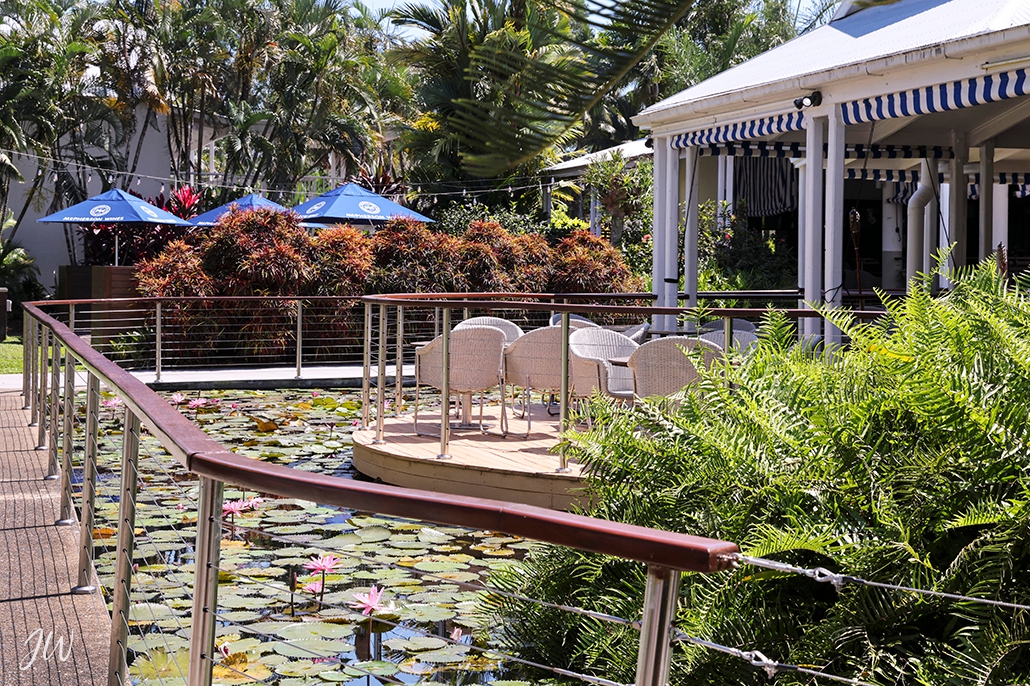
The next morning’s breakfast was at The Lilypad, where I sat alfresco surrounded by a tropical lily pond, listening to the cascading waterfall. As I was lining up photos, a young boy from the next table pointed out a snake resting on a lily pad and suggested I might want to capture that, too.
Naturally, I did.
It was one of those moments that perfectly summed up Port Douglas — relaxed, outdoorsy, and wonderfully family-friendly. The Oaks, in particular, seemed full of multi-generational groups, kids darting between the pool and their rooms, and parents actually looking relaxed.
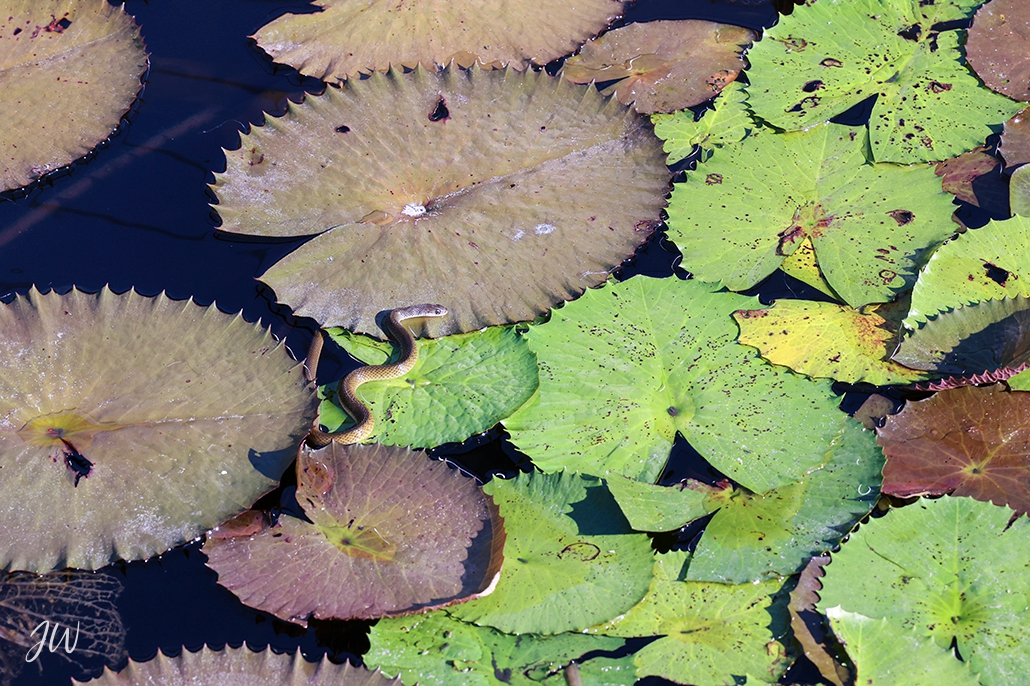
Spot the snake on the lily pads!
Wedding Day at St Mary’s by the Sea
Built in 1914 and relocated to its current waterfront setting, St Mary’s is simple, elegant and full of history. The large doors open straight to sea breezes and views across the water, creating an intimate atmosphere without being formal. For a small wedding, it was perfect.
The reception followed at Hemingway’s Brewery, where craft beers, relaxed waterfront vibes and generous food made for a joyful, unpretentious celebration. It felt very “Port Douglas”: social, easygoing and quietly stylish.
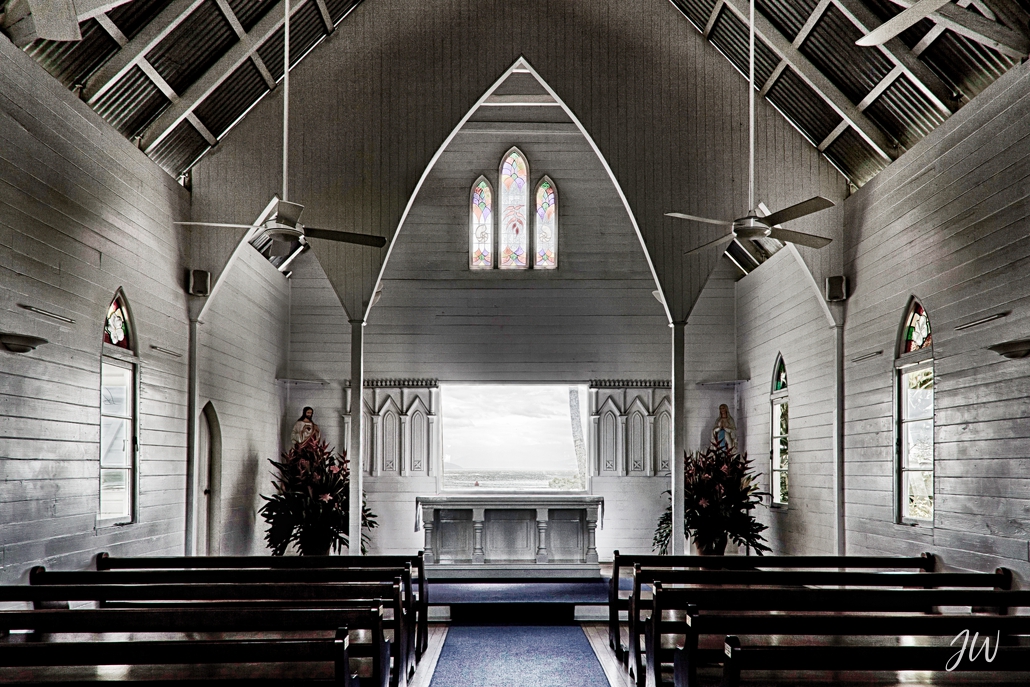
St Mary’s by the Sea, Port Douglas, Far North Queensland.
Exploring Port Douglas at an Easy Pace
The following morning called for another breakfast at Lilypad (why mess with success?), before heading out to explore.
A stroll along the esplanade revealed kite flyers in the park, locals walking with dogs, and visitors soaking up the last of the dry-season sunshine. I paused at the war memorial, a peaceful spot that adds a reflective note to the seaside buzz.
Later, I enjoyed a drink at The Tin Shed, perched right on the water with uninterrupted views — the kind of place where one drink easily becomes two.
Lunch with family followed at Choo Choos at the Marina, a relaxed spot overlooking the boats, ideal for conversation and people-watching.
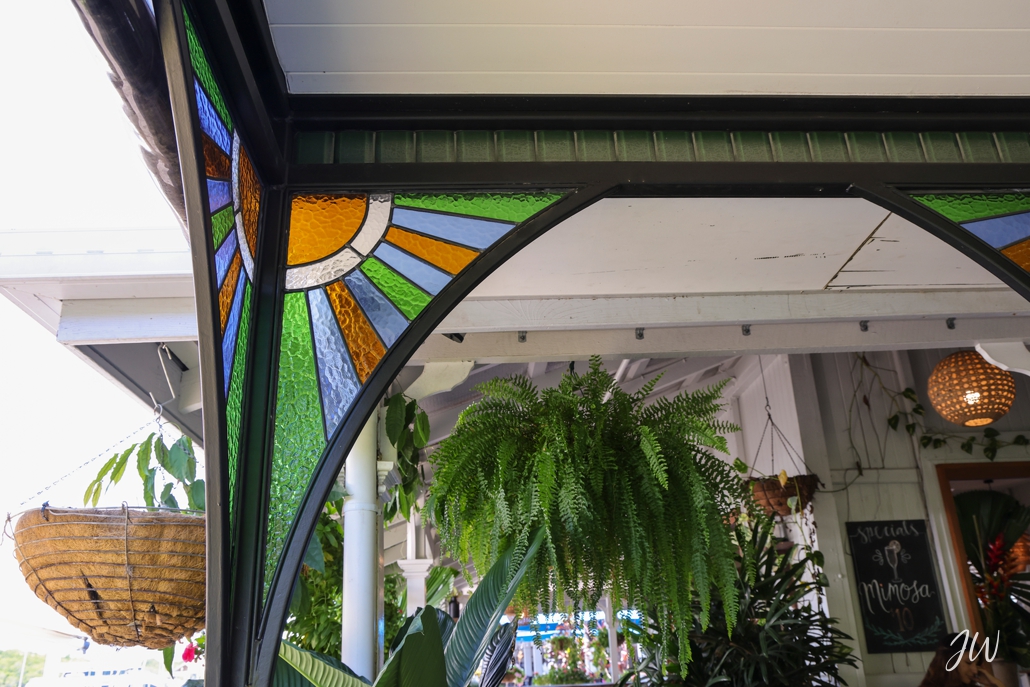
Choo Choos at the Marina, Port Douglas.
A Farewell at Oak & Vine
My final evening brought things full circle back at the resort, dining at Oak & Vine Port Douglas. The semi-alfresco setting was perfect for a warm evening, and the à la carte menu struck that balance between fresh, local and comforting.
I chose the Lemon Pepper Barramundi, followed by a Trio of Sorbet — light, refreshing and exactly what I wanted on my last night. It was a calm, contented end to a stay that had been equal parts celebration and slow exhale.
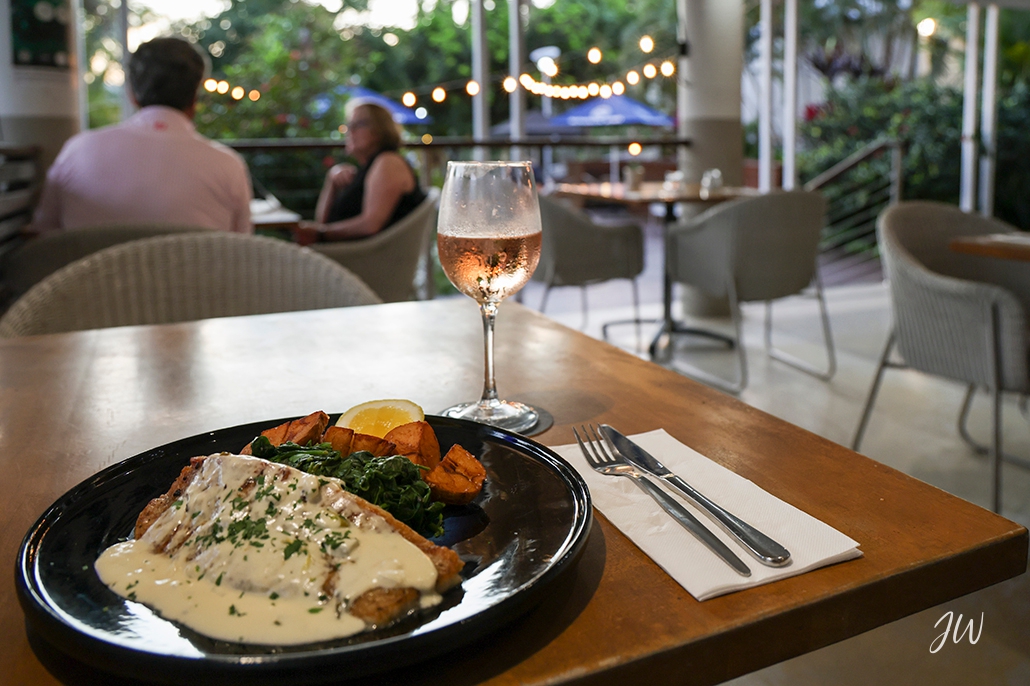
Dinner at the Oak & Vine at the Oaks Port Douglas.
Final Thoughts
Oaks Port Douglas delivered everything it promised — beauty, ease, warmth and a sense of being properly looked after. Staying at the Oaks made the experience especially comfortable, whether I was working at the desk, relaxing on the balcony, or watching families enjoy the pool together.
If you’re planning a visit to Port Douglas — whether for a wedding, a family gathering or a well-earned break — consider Oaks Port Douglas Resort as a family-friendly, relaxed base that lets you settle in and truly enjoy the tropics. Sometimes, the best trips are the ones where even getting a little lost turns into part of the story.
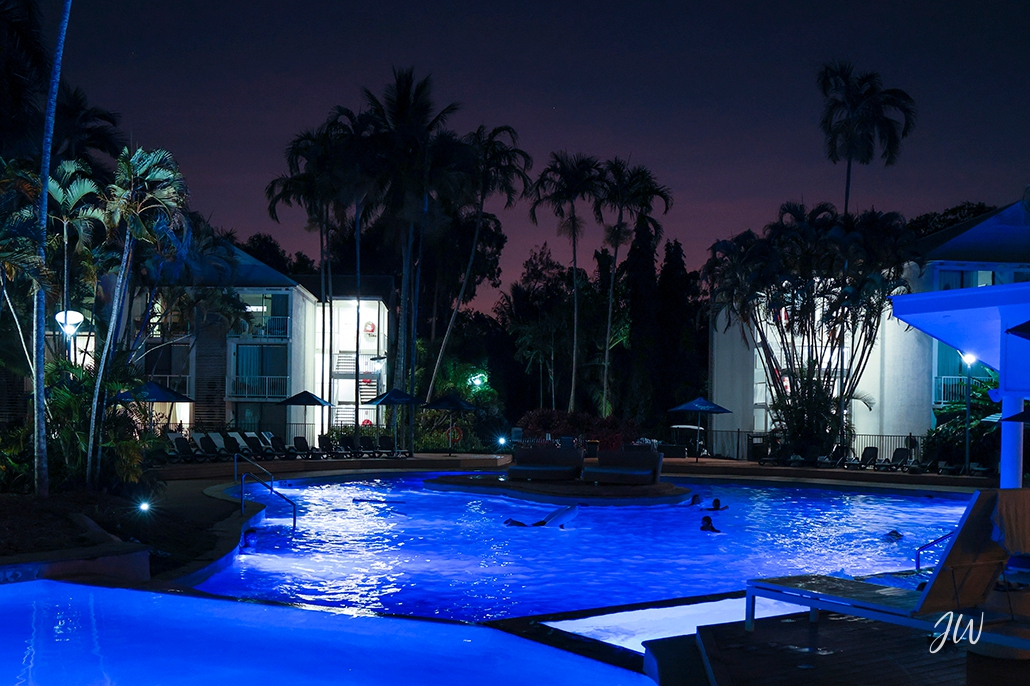
Soft evening light at the resort pool, The Oaks Port Douglas.
Planning a trip to Port Douglas?
If you’re heading to Far North Queensland for a celebration, family getaway or relaxed coastal break, Oaks Port Douglas Resort offers spacious rooms, tropical gardens and an easy walk to the heart of town. It worked beautifully as a base for our family wedding — calm, comfortable and genuinely family-friendly.
👉 View Oaks Port Douglas Resort
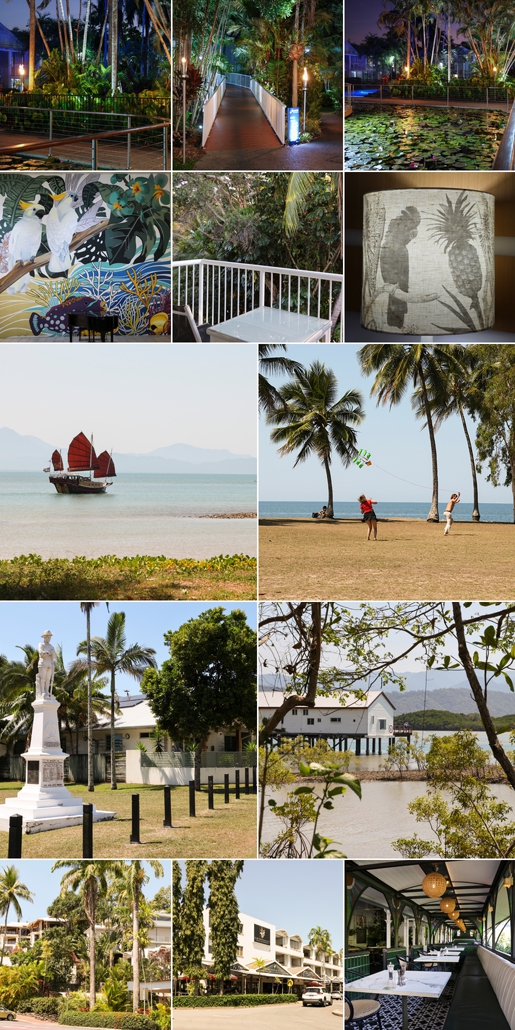
Oaks Hotels: What to Expect and Who They Best Suit
IF YOU’VE travelled around Australia — or even just browsed accommodation options online — chances are you’ve come across Oaks Hotels & Resorts. They’re everywhere… and yet many travellers aren’t quite sure what Oaks actually is.
Are they hotels? Apartments? Good for longer stays? Quiet enough to relax, but central enough to explore?
I’ve stayed with Oaks more than once (most recently in Port Douglas – pictured), and I’ll be reviewing individual properties in detail. But first, it helps to understand the Oaks Hotels & Resorts brand as a whole — who they’re for, what they do well, and whether they’re likely to suit your style of travel.
Let’s start at the beginning.
*This article contains affiliate links. If you click through and make a purchase, we may earn a commission, at no extra cost to you. It’s how we continue to create helpful stories and guides for you.
What is Oaks Hotels & Resorts?
Oaks Hotels & Resorts is an Australian-born accommodation brand that sits comfortably between traditional hotels and serviced apartments.
Their sweet spot?
Spacious, self-contained accommodation in great locations, designed for people who want flexibility, comfort and a sense of “settling in” — even if it’s only for a few nights.
Today, Oaks Hotels & Resorts operates across Australia and international destinations in New Zealand, Asia, and the Middle East.
Who Are Oaks Hotels Best Suited To?
Oaks Hotels & Resorts doesn’t try to be everything to everyone — and that’s part of the appeal.
They’re particularly well suited to:
-
Couples who like space and independence
-
Solo travellers who don’t want to feel boxed into a standard hotel room
-
Longer-stay guests (think four nights to several weeks)
-
Mature travellers who value comfort over trendiness
-
Business travellers who want kitchen and laundry facilities
-
Families needing room to spread out
If you like:
-
A separate living area
-
A proper kitchen (or kitchenette)
-
A balcony or outdoor space
-
The option to eat in or dine out
… Oaks will likely feel like a good fit.
Are Oaks Hotels Apartments or Hotels?
This is one of the most common questions — and the answer is: a bit of both.
Most Oaks properties offer:
-
Studio rooms
-
One-bedroom apartments
-
Two-bedroom (and sometimes three-bedroom) apartments
That means:
-
Separate bedroom(s)
-
Kitchen or kitchenette
-
Living and dining area
-
Laundry facilities (either in-room or shared)
You get the privacy and space of an apartment, with the services of a hotel — reception, housekeeping, facilities and on-site support.
Where Are Oaks Hotels Located?
Oaks Hotels & Resorts places a strong emphasis on location, which is one of its key selling points.
You’ll typically find Oaks properties:
-
In CBDs and city centres
-
Near waterfronts and beaches
-
Close to public transport
-
Within walking distance of cafés, restaurants and attractions
In Australia, Oaks has a strong presence in:
-
Queensland
-
New South Wales
-
Victoria
-
South Australia
-
Western Australia
-
The Northern Territory
From capital cities to resort towns like Port Douglas, Oaks Hotels & Resorts tends to place you where you can park the car and walk — always a bonus.
Where Else in the World Can You Find Oaks Hotels & Resorts?
While Oaks Hotels & Resorts has its roots firmly in Australia, the brand has expanded well beyond our shores.
Today, Oaks operates in:
-
Australia (its strongest presence)
-
Asia — including destinations such as Thailand and China
-
The Middle East — in select cities
Despite its wide reach, Oaks Hotels & Resorts remains very much an Australasian-focused brand, with most properties designed around the same core idea: spacious, apartment-style accommodation in practical, well-located settings.
For Australian travellers, that consistency can be reassuring — whether you’re booking interstate or further afield.
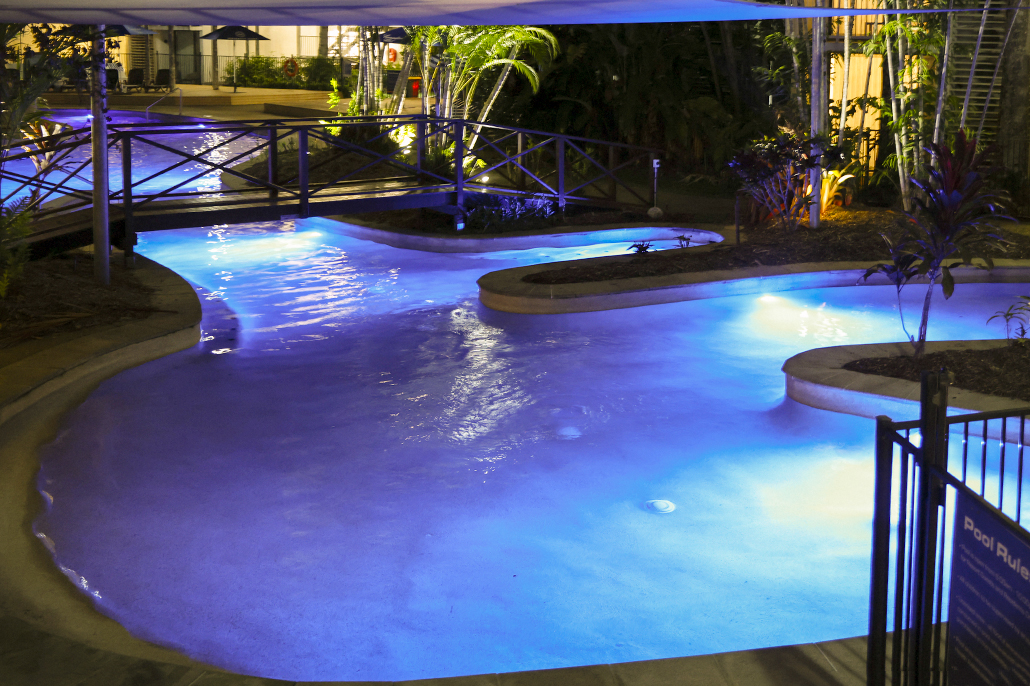
A relaxed pool setting at Oaks Port Douglas, reflecting the easy, apartment-style feel of Oaks stays.
What Amenities Do Oaks Hotels Usually Offer?
Amenities vary by property, but there’s a fairly consistent baseline across the brand.
Common features include:
-
Swimming pools
-
Gyms or fitness rooms
-
Secure parking
-
Wi-Fi
-
Air conditioning
-
Balconies (many with views)
Many properties also offer:
-
On-site restaurants or cafés
-
Barbecue areas
-
Tour booking assistance
-
Business facilities
Because Oaks Hotels & Resorts properties differ, I always recommend checking the individual listing — especially if a pool, lift access, or parking is essential for you.
Do Oaks Hotels Have Spas?
Some do — but not all.
Several Oaks Hotels & Resorts, particularly in leisure destinations, offer:
-
Day spas
-
Massage services
-
Wellness facilities
Others are located within walking distance of independent spas and wellness centres.
In other words, Oaks Hotels & Resorts doesn’t position itself as a “spa-first” brand — but if relaxation is on your agenda, many locations make it very easy to build that into your stay.
Are Oaks Hotels Pet Friendly?
This is another frequent question — and the answer is sometimes.
-
Some Oaks Hotels & Resorts properties are pet-friendly
-
Others are not, depending on local regulations and building rules
Because policies can vary by location (and even by room type), it’s essential to:
-
Check the individual property listing
-
Confirm directly before booking
If you’re travelling with a small dog, it’s worth doing a little extra homework — but it can be possible.
How Does Oaks Compare on Value?
Oaks Hotels & Resorts tends to sit in a mid-range to upper mid-range price bracket, offering:
-
More space than a standard hotel room
-
Better value for longer stays
-
Strong location benefits
When you factor in:
-
Kitchen facilities
-
Laundry access
-
Room to relax
… many guests find Oaks offers excellent value, especially for stays of four nights or more.
Is Oaks Right for You?
Oaks Hotels & Resorts is a solid choice if you:
-
Like comfort and space
-
Prefer flexibility over formality
-
Enjoy feeling a little bit “at home” when you travel
-
Want a reliable brand without unnecessary fuss
They may not be for you if:
-
You want full luxury service and daily pampering
-
You prefer boutique hotels with lots of personality
-
You’re after a party atmosphere
Coming Up: My Oaks Hotel Reviews
I’ll be sharing individual reviews of Oaks properties I’ve personally stayed in, starting with Oaks Port Douglas, followed by my next stay at Hervey Bay.
Each review will cover:
-
The location
-
The room
-
What I loved (and what could be better)
-
Who I think the property is best suited to
If you enjoy travelling at a comfortable pace — with good coffee nearby and a bit of breathing space — you’ll want to keep an eye on this series.
Because where you stay really does shape how you travel.
Want the occasional travel note in your inbox?
If you enjoy this style of travel, the Jocelyn Magazine newsletter is where I occasionally share what Oaks Hotels & Resorts offers that is worth a closer look.
You can subscribe to the Jocelyn Magazine newsletter here for seasonal travel notes, reviews and offers.
*This article contains affiliate links. If you click through and make a purchase, we may earn a commission, at no extra cost to you.
Discover 5 Ways to See K’gari (Fraser Island)
IN A WORLD that rarely seems to slow down, finding somewhere to truly switch off can feel like a luxury.
Thankfully, the World Heritage-listed K’gari (Fraser Island), off Queensland’s Fraser Coast, offers an extraordinary escape.
As the world’s largest sand island, K’gari is a place of freshwater lakes, ancient rainforests, colourful sand cliffs and seemingly endless beaches.
Its name means paradise in the language of the Butchulla people, the island’s Traditional Owners. And it’s not difficult to understand why.
If you’re looking for things to do on K’gari, these five experiences offer a wonderful introduction to its natural beauty, history and cultural heritage.
- This article contains affiliate links to selected travel and lifestyle partners. If you make a purchase through one of these links, I may earn a small commission at no extra cost to you. This helps support Jocelyn Magazine and the independent stories I share here.

From above, the brilliant white shores and deep blue waters of Boorangoora (Lake McKenzie) reveal the lake’s extraordinary natural beauty. Photos: Jocelyn Watts.
A brief history of K’gari
K’gari is Butchulla Country, with the Traditional Owners maintaining a deep cultural connection to the island across thousands of years, possibly tens of thousands.
Central to Butchulla culture are three enduring principles: what is good for the land comes first; do not take or touch anything that does not belong to you; and if you have plenty, you must share.
These principles offer visitors a thoughtful way to approach the island today.
Officially returned to its traditional name in 2023, K’gari has been recognised as a UNESCO World Heritage site since 1992.
Its remarkable landscape has developed over hundreds of thousands of years, creating an extraordinary combination of sand dunes, freshwater lakes, towering forests and wildlife.
Five of the best things to do on K’gari
1. Discover the beauty of Boorangoora (Lake McKenzie)
Few places capture K’gari’s natural beauty quite like Boorangoora, better known as Lake McKenzie.
This spectacular perched freshwater lake is famous for its brilliant white silica sand and extraordinarily clear water, which shifts through shades of turquoise and deep blue.
Fed by rainfall rather than streams or rivers, the lake sits above the surrounding groundwater level, supported by natural layers of sand and organic material.
Whether you’re enjoying the scenery, taking photographs or simply sitting beside the water, Boorangoora deserves a place on your K’gari itinerary.
2. Explore Eli Creek and the coloured sands

Thousands of years of natural processes have shaped K’gari’s spectacular layered sand cliffs.
On K’gari’s eastern side, freshwater flows towards the ocean at Eli Creek, one of the island’s best-loved natural attractions.
A boardwalk winds through coastal vegetation alongside the creek, while its clear, flowing water provides a refreshing contrast to the sandy shoreline.
Further along the eastern beach, the landscape changes again.
At The Pinnacles, layers of yellow, ochre, red and brown sand create striking natural formations.
These colours developed as iron-rich minerals stained the sand over thousands of years, with wind and rain gradually exposing the remarkable patterns.
It’s a wonderful reminder that K’gari’s beauty isn’t limited to its beaches and lakes.
3. Experience 75 Mile Beach and the Maheno shipwreck

The SS Maheno is one of K’gari’s most recognisable historic landmarks.
K’gari’s eastern shoreline is unlike an ordinary beach. It’s also a recognised driving route, where tides and changing conditions determine how and when vehicles can travel.
Along this remarkable stretch of coastline stands the rusting skeleton of the SS Maheno, a former luxury liner driven ashore during a cyclone in 1935.
The shipwreck has become one of K’gari’s most recognisable landmarks, particularly for photographers.
Further north, the volcanic headland of Tukkee Wurroo (Indian Head) rises dramatically above the coast. The surrounding waters are known for marine life, including dolphins, turtles and migrating humpback whales.
Access restrictions apply around the headland, so visitors should check current park notices before planning a visit.

K’gari’s magnificent eastern shoreline stretches towards a distant headland, with 4WD vehicles travelling along the sand.
4. Walk among the ancient rainforests
One of K’gari’s most extraordinary natural features is its rainforest.
Despite growing on sand, some of the island’s rainforest trees reach heights of around 50 metres, creating a lush landscape that seems almost impossible in such an environment.
Central Station, once a forestry settlement, is among the best-known places to experience this remarkable ecosystem.
Here, walking tracks and sections of boardwalk lead visitors through towering trees, ferns and palms, with the clear waters of Wanggoolba Creek adding to the tranquillity.
It’s a completely different experience from K’gari’s beaches and dunes, and one that reveals just how diverse the island really is.
5. Discover K’gari through Butchulla culture

Native berries offer an insight into the traditional knowledge of plants and natural resources.
There’s another way to discover K’gari that goes beyond its famous landmarks: experiencing the island through the knowledge and stories of its Traditional Owners.
Butchulla-guided cultural experiences offer visitors an opportunity to learn about Country, traditional practices, native plants, wildlife and the cultural significance of the island’s landscape.
I experienced this first-hand while walking Country with Butchulla guide Luke Barrowcliffe.
What might otherwise have been another beautiful island journey became something much more meaningful. Familiar landscapes took on new significance as Luke explained the connections between people, place and generations of knowledge.
For visitors who want to understand K’gari rather than simply admire it, a cultural experience is well worth considering.
Where is K’gari and how do you get there?
K’gari lies off Queensland’s Fraser Coast, approximately 300 kilometres north of Brisbane and across the Great Sandy Strait from Hervey Bay.
Visitors can reach the island by vehicle barge from River Heads, near Hervey Bay, or from Inskip Point, near Rainbow Beach.
Organised tours provide another option, particularly for those without a suitable 4WD, while flights from the mainland offer a different way to experience the island.
If you’re planning to drive yourself, a suitable high-clearance 4WD is essential. Vehicle permits, tidal conditions and current track restrictions all need consideration before travelling.
Planning your own K’gari adventure?
Whether you have a single day or several nights, K’gari rewards visitors who allow time to appreciate its extraordinary landscapes.
You can explore the practicalities of getting there in Hervey Bay to K’gari: Plan Your Island Stay, discover what to see in K’gari Itinerary: 1, 2 or 3 Days, or prepare for your first visit with Visiting K’gari for the First Time: Essential Guide.
However you choose to discover K’gari, some of the most memorable experiences may be the simplest: walking beneath the rainforest canopy, watching the light change over a freshwater lake or standing beside an ocean that seems to stretch forever.
Sometimes paradise is simply somewhere that reminds you to slow down.
Ready to Experience K’gari for Yourself?
Whether you’re planning a day trip, a guided tour or a longer island escape, a little preparation can make your K’gari adventure even more enjoyable.
Here are a few travel and lifestyle essentials worth exploring before you go:
- Explore travel insurance with AllClear → https://jocelynwatts.com/go/allclear-travel-insurance
- Browse travel organisers with Bagsmart → https://jocelynwatts.com/go/bagsmart
- Discover Kakadu Plum Co. → https://jocelynwatts.com/go/kakadu-plum-co
- Browse K’gari travel essentials at Amazon Australia
Enjoy the journey and leave this extraordinary island just as beautiful as you found it.
PHOTO GALLERY
Discover Winton in Outback Queensland, where dinosaur country, opal fields and the story of Waltzing Matilda come together in one remarkable small town.
Discover Cooktown in Far North Queensland
THERE’S no shortage of things to do in Cooktown, where James Cook landed in 1770 after his ship ran aground on the Great Barrier Reef.
And the old adage “Seen one rainforest, seen ’em all” certainly doesn’t apply here.
Exploring Queensland’s Cape York Peninsula was just a blip on my travel radar until December 2014.
I’d already seen plenty of rainforests and had many other exciting places beckoning. So, I figured that if an opportunity arose to visit Far North Queensland, I’d go. Otherwise, I wasn’t going to make a special effort.
That opportunity arrived after relatives moved to Cooktown in late 2014.
At about the same time, an airline was offering cheap flights from Brisbane to Cairns. Suddenly, that little blip on my travel radar started beaming “visit me”.
When is the best time to visit Cooktown?
I planned my trip for September 2015, well before the summer wet season. However, I’ve since learnt that the monsoon rains bring the landscape and wildlife spectacularly back to life.
Waterfalls are also in full flow during the wet season. As a result, the photographic opportunities can be quite different from those I encountered in September.
Cooktown is accessible by standard vehicle throughout the year, although road conditions can vary during the wet season. Time was limited on my Far North Queensland jaunt, so instead I took a 45-minute flight from Cairns with Hinterland Aviation.
If Cooktown has you thinking about exploring more of North Queensland, you might also enjoy my Magnetic Island day trip, another destination where history, wildlife and tropical scenery come together.
A town shaped by history
Cooktown has a long and layered history. It stretches from its ancient Indigenous heritage through James Cook’s stay on the Endeavour River in 1770 and the Palmer River Gold Rush of the late 1800s.
Today, Cooktown lies about 330 kilometres north of Cairns by road, on the Cape York Peninsula.
For me, what began as little more than a blip on the travel radar turned into a destination well worth exploring. Here are 11 things to do in Cooktown that helped change my mind.
This article may contain affiliate links and advertisements. If you click on these links and make a purchase, we may earn a small commission at no extra cost to you. This helps us continue creating valuable content for you. Thank you for your support.
Top 11 things to do at Cooktown in pictures

1. Visit the botanic gardens.

2. Go crocodile spotting. The best time is during the dry season (July to December) on a low tide when they come out of the water to sun themselves on the river banks. Beware of venturing near the water on beaches and riverbanks where crocs view humans as prey.

3. Visit the Trevathan Falls just south of Cooktown off the Mulligan Highway.

4. Enjoy spectacular views of Cooktown, the Endeavour River and the Great Barrier Reef from the Grassy Hill Lookout and Lighthouse.

5. Hike from the Grassy Hill Road to Cherry Tree Bay, Cooktown’s most secluded beach fringed by rainforest and large rock formations.

6. Visit the mysterious Black Mountains 25km south of Cooktown on the Mulligan Highway. The mountains of grey granite boulders are culturally significant for the Kuku Yalanji people, and tales abound of people, horses and cattle disappearing, never to be seen again.

7. Have a beer in the Lion’s Den Hotel, built in 1875 on the banks of the Little Annan River. Surrounded by mango trees and rainforests, the historic hotel, built of timber and iron, is famous for its quirky interior.

8. Take a sunset cruise along the Endeavour River.

9. Visit the James Cook Museum, located in the restored Sisters of Mercy convent school building, where artefacts from Captain James Cook’s ship Endeavour and diary extracts are housed. The museum also holds Indigenous Australian and Chinese displays.

10. See Indigenous Australian art, pottery and jewellery at the Wujal Wujal professional gallery near the Bloomfield River.

11. Take a walking tour of the town to see the water fountain, Elizabeth Guzsely Gallery, history centres, Milbi (story) Wall, a statue of Mick the Miner and the interactive Musical Ship. James Cook’s tributes include a statue, a cannon and a monument marking the spot where Cook beached his Endeavour in 1770. Markets are on Saturday mornings near the bowls club.
For a completely different side of regional Queensland, head inland to Winton, where dinosaurs, opals and Waltzing Matilda take centre stage.
Planning your own Australian getaway?
Whether you’re heading north to Cape York, exploring Western Australia or planning a road trip closer to home, a few practical details can make travelling easier.
Travel with peace of mind
Unexpected things can happen even on a well-planned holiday. AllClear Travel Insurance offers travel insurance options for Australian travellers, including cover designed for people with pre-existing medical conditions.
→ Check AllClear Travel Insurance options
Need a car when you arrive?
Having your own wheels can make it much easier to explore beyond the main tourist stops. Avis Australia offers car hire from airports and locations around Australia.
→ Search Avis car hire
Pack smarter for the trip
From packing cubes and organisers to travel bags and accessories, BAGSMART has practical options for keeping luggage organised without taking half the wardrobe along for the ride.
→ Browse BAGSMART travel essentials
Affiliate note: The links above are affiliate links. If you make a purchase or booking through them, Jocelyn Magazine may earn a commission at no extra cost to you.