Ideas for making the most of smaller homes, from clever storage and flexible spaces to stylish design, outdoor living and practical solutions for townhouses, villas and apartments.

9 Coastal Apartment Ideas That Make Small Spaces Feel Like a Resort

YOU DON’T need an ocean view, a sprawling floor plan or a holiday-home budget to make your apartment feel like a coastal retreat.

The best coastal apartment ideas are not about filling rooms with shells, anchors and signs pointing to the beach. They are about creating a feeling: natural light, fresh air, tactile materials, comfortable places to sit and a sense of calm when you walk through the door.

A small apartment can make this easier. With less space to furnish, every choice has greater impact. A generous rug, beautifully dressed bed or inviting balcony may be all it takes to lift an ordinary room.

Whether you rent or own, these ideas draw on the same principles that shape Queensland coastal living: natural light, relaxed materials, greenery and an easy connection between indoors and out.

  • This article contains affiliate links. If you make a purchase through one of these links, Jocelyn Magazine may receive a commission at no additional cost to you.
Double-height coastal living room with grey modular sofas, marble flooring and floor-to-ceiling windows overlooking the ocean

Expansive glazing, comfortable seating and an uninterrupted ocean outlook give this contemporary living room its resort-style appeal.

1. Begin with a sun-washed coastal palette

Abstract brushstrokes in cream, white, sand, blush and soft gold

Warm white, sand, blush and soft gold form a sun-washed palette for a relaxed coastal interior.

Resort-style interiors often feel restful because the colours work together rather than compete for attention. In a small apartment, a restrained palette also helps adjoining spaces feel connected.

Begin with warm white, soft cream, oatmeal, sand or pale timber. These colours provide a light base without making the apartment feel cold or clinical.

From there, add one or two colours inspired by the coast. Muted blue, sea-glass green, faded turquoise and deep navy can all work, but they do not need to appear everywhere. A blue ceramic lamp, a pair of cushions or a piece of artwork may be enough.

If you are renting and cannot repaint, introduce the palette through removable pieces such as linen-look cushion covers, a sand-coloured throw, pale curtains, natural baskets or coastal landscape photography.

Repeating similar colours from room to room creates continuity. It can also make the apartment feel larger because the eye moves easily through the space.

The secret is restraint. Rather than using several shades of blue and covering every surface with coastal accessories, let the neutral tones do most of the work.

2. Let natural light become part of the decorating

Beautiful resorts make the most of their surroundings, and natural light is often one of their strongest features.

Take a close look at what may be blocking the daylight in your apartment. Heavy curtains, bulky furniture and crowded windowsills can all make a small room feel darker and more enclosed.

Where privacy allows, replace thick window coverings with light-filtering sheers. Hanging curtains closer to the ceiling and extending them beyond the sides of the window can make both the window and the room appear more generous.

Keep tall furniture away from the main source of natural light. A low console, small chair or open-legged table will interrupt the view less than a large cabinet.

Mirrors can help direct light into darker areas. Rather than automatically hanging a mirror above the sofa, experiment with a position that reflects a bright window, leafy outlook or attractive part of the room.

The aim is not to fill the apartment with reflective surfaces. One well-positioned mirror may be all that is needed.

At night, avoid relying solely on a harsh central light. Combine a floor lamp, table lamp or wall light with the main fitting to create the softer atmosphere found in hotel lounges and resort rooms.

White sheer curtains beside a woven basket, full-length mirror and pale timber floor

Full-length sheer curtains soften the sunlight while keeping this apartment interior light and open.

3. Choose one generous rug for the living area

Open-plan living and dining room with a white sectional sofa, large grey rug and timber furniture

Raised furniture, a generous rug and an open layout create defined zones without closing off the living area.

It may seem logical to place a small rug in a small living room. Unfortunately, a rug that floats in the middle of the floor can make the furniture look disconnected and the entire room feel smaller.

A more generous rug draws the seating area together.

As a general guide, choose one large enough to sit beneath at least the front legs of the sofa and nearby chairs. This creates a defined living zone rather than several little islands of furniture.

For a relaxed coastal look, consider soft cream, sandy neutrals, subtle stripes or a low-contrast geometric design. Flatwoven rugs and natural-looking fibres add texture without creating too much visual weight.

Subtle stripes can also direct the eye across a room. Position them in the direction you want the space to appear longer.

Practicality still matters, particularly in an apartment where the living and dining areas may share one compact space. Look for a rug that is comfortable underfoot but not so thick that chairs, doors or a robotic vacuum struggle to move across it.

The rug should not look like another decoration placed in the room. It should form the foundation for everything around it.

4. Layer natural textures instead of beach-themed ornaments

Woven rattan tray with a ceramic mug and open book on layered neutral linen bedding

Linen bedding, a woven tray and natural timber bring warmth to a neutral bedroom.

One of the easiest ways to create sophisticated coastal style is to focus on texture rather than obvious seaside motifs.

Linen, cotton, woven fibres, pale timber, cane, ceramic and glass all bring character to a room without making it feel themed. They also add depth to a simple colour palette.

Try pairing contrasting surfaces. A linen cushion looks more inviting beside a woven basket. A handmade ceramic bowl stands out on a smooth timber table. A clear glass vase provides a lighter counterpoint to a substantial rattan lamp.

Practical pieces are often the best way to introduce texture into a small apartment. Instead of adding ornaments that occupy valuable space, choose useful items that also look good. A woven tray can contain objects on the coffee table, while baskets can hold magazines, spare cushions or throws.

Other options include a ceramic lamp, linen tablecloth, timber stool, cane-fronted bedside table or textured bed cover.

Limit the room to two or three prominent materials so that it does not become visually busy.

A woven pendant light can work particularly well because it draws the eye upwards and adds texture without taking up floor space. If changing a light fitting is not possible, a sculptural table lamp can create a similar focal point.

Coastal style feels most convincing when the materials are relaxed and tactile. The room should make you want to sit down, take off your shoes and stay awhile.


5. Choose furniture that leaves breathing room

Open-plan living and dining room with a white sectional sofa, large grey rug and timber furniture

Raised furniture, a generous rug and an open layout create defined zones without closing off the living area.

Small-space decorating is not about squeezing as many miniature pieces as possible into one room. Too many small items can create clutter and interrupt the natural flow of an apartment.

Choose fewer pieces and give them room to breathe.

Furniture with visible legs allows more of the floor to remain in view. This can make the room feel lighter than it would with bulky furniture that reaches all the way to the ground.

Look for sofas and chairs with raised legs, slim arms, rounded corners and open bases. Light or mid-toned upholstery can also reduce their visual weight.

Measure carefully before buying. An apartment-sized sofa can still be comfortable, but it should not consume an entire wall or restrict the main walkway.

Similar ideas appear in feng shui for Western homes, where clear pathways, balanced furniture placement and open sightlines are considered alongside practical interior design.

Multifunctional furniture is useful when it genuinely replaces another item. A storage ottoman, for example, might serve as a coffee table, footrest and home for spare throws. Nesting tables can be separated when guests arrive and tucked together afterwards.

It is also worth questioning whether you need a traditional coffee table. In a narrow room, a slim bench, pair of small side tables or upholstered ottoman may be easier to move around.

Resorts rarely place furniture in every available gap. There is usually space around the main pieces, making it easier for guests to move around and enjoy the setting.

Try the same approach at home. One comfortable chair with a lamp and side table can feel more luxurious than three occasional chairs crowded into a corner.

Find the right light for your coastal apartment
Lighting can change the character of a room without taking up much space. Explore pendant lights, wall lights, floor lamps and table lamps at Mica Lighting to add softer evening light or create a feature above a dining table, beside the sofa or near the bed.
Visit Mica Lighting

  • Affiliate partner: Jocelyn Magazine may receive a commission if you make a purchase through this link, at no additional cost to you.

6. Give the bedroom a boutique-resort treatment

The bedroom is one of the easiest places to create a resort experience because the bed naturally provides a strong focal point.

Start with simple bedding in white, ivory, stone or pale blue. You do not need an elaborate collection of decorative pillows. Two comfortable sleeping pillows, one or two accent cushions and a textured throw can create a layered look without turning bedtime into a nightly packing exercise.

Arrange sleeping pillows against the bedhead, then add the decorative cushions in front. Fold a lightweight throw across the lower third of the bed rather than trying to style it too precisely.

A padded bedhead brings softness to the room and makes reading in bed more comfortable. Renters might consider a freestanding design or a lightweight fabric panel that does not require a permanent structural change.

Matching bedside lamps can create a polished look, although they do not need to be identical. Lamps with a similar height, material or shade colour will still feel connected.

Keep bedside surfaces relatively clear. A lamp, book, water carafe or small dish may be all you need. Hide charging cables where possible and give everyday items a designated place inside a drawer or basket.

Artwork also benefits from restraint. One calming coastal photograph, abstract painting or textile piece above the bed can have more impact than a crowded gallery wall.

Finally, consider the small details that make a hotel room feel ready for your arrival. Place a favourite book beside the bed, add a carafe of water or leave a soft robe within reach.

Luxury is often less about price and more about how comfortably a room works.

Coastal bedroom with a timber bedhead, white bedding, blue cushions and ocean views

Layered white bedding, restrained blue accents and a natural timber bedhead give this bedroom a polished coastal look.

7. Turn the bathroom into a mini day spa

A small bathroom can feel surprisingly resort-like when its surfaces are clear and everyday items are presented well.

Begin by removing products you rarely use. Store backups and less attractive necessities inside a cupboard, drawer or basket. Leave only the essentials within easy reach.

If you like a coordinated finish, decant frequently used products into matching or complementary containers. Grouping handwash, lotion and a small vase on a tray can make an ordinary vanity look more organised.

Fresh towels also make a noticeable difference. White creates a crisp hotel feel, while sand, sage or muted blue can soften the room. You do not need dozens of towels on display. One neatly folded set is usually enough.

Where space permits, add a small timber stool, narrow shelf or bath tray. Natural timber warms up hard bathroom surfaces and introduces the organic texture associated with coastal interiors.

A plant can bring colour and life to the bathroom if there is suitable light and ventilation. Choose one that can cope with the conditions rather than relying on appearance alone. If a living plant will not thrive, a small vase with a fresh cutting may be a better option.

Lighting deserves attention as well. A rechargeable lamp or softly glowing night-light can create a more relaxed atmosphere in the evening, provided it is positioned safely away from water.

Finish with one sensory detail. It could be a beautifully scented handwash, a bar of soap in a ceramic dish or a small arrangement of fresh foliage.

The idea is not to display every spa-inspired accessory you can find. It is to make the daily routine feel more enjoyable.


Compact bathroom with glass shower, white vanity, large mirror and folded towels

Clear surfaces, fresh white towels and warm lighting give this compact bathroom a clean, resort-style finish.

8. Create a destination on the balcony

Narrow apartment balcony with two woven armchairs, a round coffee table and water views

Two comfortable chairs and a compact table turn this narrow balcony into a defined place to sit and enjoy the view.

Even the smallest balcony can contribute to the feeling of a coastal resort.

The key is to give it a clear purpose. Decide whether you want the space to be used for morning coffee, reading, sunset drinks or growing herbs. Trying to accommodate every possible activity may result in a balcony that feels crowded and works well for none of them.

Choose furniture that suits its main purpose. A narrow balcony might need only one comfortable chair and a small side table. If you regularly share the space, folding chairs or a slim bistro setting may be more practical.

Planning to use the balcony for drinks or casual meals? These outdoor entertaining ideas for Queensland homes cover layered lighting, comfortable seating and simple ways to make a modest outdoor area inviting after dark.

An outdoor rug can help define the area, but check that it will drain and dry properly in the balcony’s conditions. Cushions should be made from fabric suited to outdoor use or stored inside when they are not needed.

Plants help soften hard surfaces and create privacy, although more is not always better. A group of three pots in different heights often looks more balanced than a row of small pots running along every edge.

Before choosing plants, consider the amount of direct sunlight, exposure to wind, salt in the air, watering requirements and drainage. It is also worth checking any body corporate or tenancy restrictions that apply to your balcony.

Create a visual connection with the interior by repeating a colour or material outside. A cushion that relates to the living-room palette, or a timber-toned table that echoes the interior furniture, will help the two spaces feel connected.

Keep the view through the doorway uncluttered. When the balcony looks inviting from inside, it extends the visual boundary of the living area and can make the whole apartment feel more generous.

A single comfortable chair angled towards the best outlook may create a stronger resort feeling than a balcony packed with furniture.

9. Finish with one signature resort feature

The most memorable interiors usually have one feature that captures your attention.

In a coastal apartment, it might be an oversized landscape photograph, a sculptural pendant, an indoor tree or a beautifully arranged reading corner.

Simpler features can work just as well. Consider a drinks tray with attractive glassware, a bowl of citrus, a large vase of tropical greenery or a comfortable chair facing the view.

A substantial mirror in a pale timber frame can become the main feature in a small living room. In the evening, a statement lamp can change the atmosphere without requiring more furniture or decoration.

Home fragrance may also strengthen the connection with holidays, but keep it subtle. One scent used in the entrance or living area is generally more effective than several fragrances competing throughout the apartment.

Give the feature room to stand out

Choose one main feature rather than trying to include everything. A focal point works because it has space around it. If every object is competing to be noticed, nothing feels particularly special.

Think about what you want to notice when you enter the apartment. It might be the warm glow of a lamp, the sight of a favourite artwork or a chair waiting beside an open balcony door.

Your choice should reflect what relaxation means to you. For one person, resort living suggests fresh white linen and uncluttered rooms. For another, it means lush greenery, layered materials and a place to enjoy an evening drink.

The goal is not to recreate somebody else’s holiday. It is to capture the feeling you want your own home to provide.

If your balcony still feels cramped, these ways to make a small outdoor space feel bigger explore furniture scale, sightlines, circulation and visual links with the interior.

Contemporary living room with green armchairs, grey sectional sofa, patterned rug and marble flooring

A pair of green armchairs creates a distinctive focal point within this contemporary neutral living

What makes a small apartment feel like a resort?

A small apartment begins to feel like a resort when the rooms are comfortable, cohesive and easy to use.

The most effective elements include a consistent, sun-washed colour palette, plenty of natural light, clear surfaces and soft evening lighting. Tactile materials, comfortable seating, inviting bedding and a connection with the outdoors add to the effect.

One memorable focal point can then give the apartment an identity of its own.

There is no need to introduce everything at once. Start by identifying the part of your apartment that currently feels the least relaxing.

When the living room feels fragmented, begin with the rug and furniture arrangement. A bedroom that lacks comfort may benefit most from better bedding and layered lighting. To strengthen the connection with the coast, turn the balcony into somewhere you genuinely want to spend time.

Create the feeling, not a coastal theme

The most successful coastal apartment ideas do not depend on novelty decorations or a room filled with ocean blue.

They use light, colour, texture and comfort to create a home that feels easy to live in. Each item earns its place, the rooms have space to breathe and daily routines become a little more enjoyable.

Decorating contributes to comfort, but what makes a home a home often has more to do with familiarity, security, memory and belonging than any particular interior style.

Begin with the room you use most often and choose one achievable change. Hang lighter curtains, clear the bathroom vanity, rearrange the balcony or give the bed the layered look of a boutique hotel.

A small apartment may never have a resort-sized pool or an uninterrupted ocean view. It can, however, offer many of the qualities that make a coastal holiday so appealing: fresh surroundings, natural textures and an inviting place to slow down.

Which idea would make the biggest difference in your apartment: the coastal palette, the hotel-style bedroom or a tiny balcony retreat?


Complete your coastal apartment refresh

Ready to put some of these coastal apartment ideas into practice? These affiliate partners offer products for refreshing the bedroom, improving the balcony and adding practical home security.

Harris Scarfe: bedding, towels and home décor
Refresh a resort-style bedroom or bathroom with bed linen, cushions, throws, towels and home décor from Harris Scarfe. Its home range covers bedding, bed linen, bathroom products, storage and decorative pieces, making it a useful starting point for several of the ideas in this article.
Shop Harris Scarfe

Lazy Tiles: an easy balcony-floor update
Give a plain balcony a more finished appearance with interlocking decking tiles from Lazy Tiles. The range includes indoor and outdoor WPC decking tiles in finishes such as walnut, oak, beach, ash and grey. Check measurements, drainage requirements and any body corporate or tenancy conditions before starting a balcony project.
Explore Lazy Tiles

Arlo: smart security for your apartment
For a practical finishing touch, explore security cameras and video doorbells from Arlo. Options include indoor and outdoor cameras, pan-and-tilt models, video doorbells and floodlight cameras. Check building rules, installation requirements and privacy considerations before positioning any device in or around an apartment.
Shop Arlo Security

  • Affiliate partners: Jocelyn Magazine may receive a commission if you make a purchase through one of these links, at no additional cost to you.

Make Your Small Outdoor Space Feel Bigger and More Inviting

A SMALL balcony, courtyard or patio can be one of the most enjoyable parts of a home. It can also become one of the most cluttered.

Add a table and chairs, a barbecue, a few pots, perhaps an outdoor lounge and somewhere to store the gardening gear, and suddenly that inviting little retreat feels decidedly smaller than it did when it was empty.

The good news is that making a compact outdoor area feel bigger isn’t necessarily about gaining more square metres. It’s about making better use of the space you already have.

Before buying new furniture or filling the trolley with pots and cushions, take a good look at how you see, move through and use your outdoor area.

A few thoughtful decisions about zoning, sightlines, scale and circulation can make even a modest balcony, townhouse courtyard, patio or verandah feel more spacious, comfortable and connected to the home.

  • This article contains affiliate links. If you book through that link, Jocelyn Magazine may receive a small commission at no additional cost to you. Affiliate partnerships help support independent local journalism and storytelling.
Small courtyard with compact white table, folding chairs and potted plants

Choosing furniture to suit the scale of a compact courtyard leaves valuable space to move and breathe. Photos: Canva Pro.

1. Start With How You Want to Use the Space

It’s tempting to begin an outdoor makeover with furniture. Instead, start with a much simpler question: What do I actually want to do out here?

Perhaps you want somewhere to enjoy breakfast or an evening drink. Maybe outdoor dining is important, or you’d prefer a comfortable chair where you can read with a cuppa.

For keen gardeners, plants may take priority. If you entertain regularly, flexible seating might matter more than a permanent dining setting.

Problems arise when we expect a compact area to do everything. Trying to squeeze a six-seat dining table, outdoor lounge, barbecue, herb garden and storage into a small courtyard can leave very little room for the people who are supposed to enjoy it.

Instead, decide on one primary purpose and perhaps one or two secondary uses. A dining table, for example, can double as somewhere to work, read or enjoy morning coffee. A bench can provide seating as well as storage.

When every piece has a reason for being there, the whole area starts to feel calmer.

2. Create Zones Without Chopping Up the Space

We often associate zoning with large open-plan homes and sprawling gardens, but it’s equally useful in small outdoor areas. The difference is that the boundaries need to be subtle.

A courtyard might have a dining area near the kitchen, a comfortable chair in the quietest corner and plants grouped around the perimeter. A balcony may have little more than a table at one end and greenery at the other.

You don’t need walls or screens to define these areas. An outdoor rug can visually anchor seating, while a cluster of pots can mark a corner. Lighting can make a dining area feel distinct after dark. Even furniture placement can signal how an area is intended to be used.

The trick is to define zones visually rather than physically. Too many barriers divide an already small area into even smaller pieces. Gentle visual cues provide structure while allowing the space to remain open.

Small balcony with dining area, potted plants and clear walking space

Subtle zoning gives different parts of a small outdoor area a purpose without making the space feel divided.

Light the zone, not the whole space: In a compact courtyard or balcony, carefully placed outdoor lighting can help define dining or seating areas without adding physical barriers. Wall lights and other space-saving options are worth considering where floor space is limited. Explore outdoor lighting

3. Protect Your Sightlines

One of the simplest ways to make an outdoor area feel larger costs absolutely nothing. Pay attention to what you can see.

Stand inside the room adjoining your balcony, patio or courtyard and look out. Where does your eye travel?

If the first thing you see is the solid back of a bulky outdoor lounge, a barbecue covered in black vinyl or half a dozen mismatched pots, the space is likely to feel more enclosed than it actually is.

Try to keep important sightlines as open as possible. Low-backed seating, slender furniture legs and open-frame tables and chairs allow you to see through and beyond the furniture. Keeping taller plants towards the sides can also preserve the view through the centre.

Then consider what lies at the end of that view. A beautiful pot, feature plant, artwork or glimpse of greenery can draw the eye towards the furthest point of the space, creating a greater sense of depth.

Think of it a little like composing a photograph. Give the eye somewhere to travel and something worth discovering at the other end.

Compact apartment balcony with open railing and views towards leafy trees

Keeping sightlines open allows the eye to travel beyond the physical boundaries of a small balcony.

4. Choose Furniture That Suits the Scale

Small outdoor entertaining advice often boils down to “buy small furniture”. It’s not quite that simple.

A collection of tiny chairs, tables, stools and accessories can make a compact space feel busier than one or two well-proportioned pieces.

Scale is more important than size alone. Before buying anything, measure the available area, including the space needed to pull out chairs, open doors and walk around furniture.

An oversized modular lounge might look fabulous in a showroom but overwhelm a narrow balcony. On the other hand, a well-proportioned two-seater sofa may work better than several individual chairs.

Look for pieces that earn the space they occupy. A storage bench can provide seating and hide cushions or gardening equipment. A dining table may double as a work surface. Stackable or folding chairs can appear when guests arrive and disappear when they’re not needed.

Most importantly, don’t feel compelled to fill every available corner. Leaving some floor space visible makes the furniture look more deliberate and the whole area more generous.

5. Make It Easy to Move Around

A space doesn’t feel spacious if you have to negotiate an obstacle course to cross it. Good circulation matters just as much outdoors as it does inside.

Look at the routes you naturally take. You might walk from the kitchen door to the table, from the table to the barbecue, or through the courtyard to a garden gate or clothesline. Those pathways should be as clear and intuitive as possible.

Pay particular attention to sliding and hinged doors. A chair that needs to be moved every time you open a door will quickly become annoying. So will a pot that everyone has to sidestep.

Before settling on a layout, walk through it. Pull out the chairs. Open the doors. Carry an imaginary tray from the kitchen to the table. Pretend someone else is sitting down while you move past them.

Sometimes moving one piece of furniture by half a metre can completely change the way a compact area works. When movement becomes easier, the space feels bigger too.

6. Keep Clutter Under Control

Small spaces magnify clutter. Ten little pots dotted around a courtyard can create far more visual noise than three larger pots grouped together. Add cushions, watering cans, hoses and gardening tools, and the area can quickly become busy.

That doesn’t mean a compact outdoor area has to be minimalist or devoid of personality. It simply means being more deliberate about what remains visible.

Group pots rather than scattering them. Use walls, shelves or vertical planting to take greenery upwards instead of across valuable floor space. Consider furniture with concealed storage for items that don’t need to remain on display.

It’s also worth considering what can be removed. We tend to think about decorating in terms of adding something, yet taking something away can have a much greater impact in a small area.

Empty space is part of the design. It gives the eye somewhere to rest and makes the things you love stand out.

Narrow balcony with vertical garden and plants arranged along the edge

7. Connect Indoors and Outdoors Visually

One of the best ways to make a small outdoor area feel larger is to stop treating it as a completely separate room.

If a balcony or courtyard sits directly outside a living or dining area, think of the two spaces together.

The same approach works inside an apartment. These coastal apartment ideas for a resort-style home show how repeated colours, natural materials and open sightlines can make compact indoor spaces feel more generous.

Repeating colours is an easy starting point. If your interior uses warm neutrals, greens or coastal blues, carrying some of those tones outdoors creates visual continuity.

Materials and textures can work the same way. Timber, woven fibres, ceramics or greenery used on both sides of the threshold help link the spaces without needing to match everything.

Flooring can also influence the effect. Where changing flooring isn’t practical, an outdoor rug in a complementary tone can help bridge the transition.

Plants are particularly effective. A leafy indoor plant positioned near the door can visually connect with outdoor greenery beyond it.

Finally, think about the view through the doors or windows. Position an attractive feature where you can enjoy it from inside, whether that’s a beautiful plant, small tree, artwork or simply the best view available.

The outdoor area then becomes part of the indoor room’s outlook. Even with the doors closed, your eye continues beyond the glass, helping both spaces feel larger.

Connecting indoor and outdoor areas can also have practical benefits. The Australian Government’s YourHome resource offers useful guidance on designing outdoor spaces as part of a comfortable, climate-responsive home.

Compact coastal balcony with wicker seating, outdoor rug and open water views

An open outlook can become part of the design, visually extending a compact balcony beyond its boundaries.

Create a visual connection underfoot: Using complementary flooring tones indoors and out can help the two areas read as one larger space. If you’re renovating, outdoor tiles can also introduce colour and texture while providing a practical surface for patios and courtyards. Explore Outdoor Tiles

8. Give the Eye One Place to Land

When space is limited, it’s tempting to make every corner interesting. Resist.

If a patterned rug, colourful cushions, feature wall, collection of pots, garden ornaments and statement furniture are all competing for attention, the result can feel chaotic.

Instead, choose one element to take the lead.

It might be a beautiful ceramic pot with a striking plant, an outdoor artwork, a small water feature, an interesting chair or a view beyond the balcony. Let the surrounding elements support it rather than compete with it.

As with photography, not everything in the frame needs to shout for attention. One strong focal point can bring the whole composition together.

9. Try This Before You Buy Anything

Before heading to the shops, spend a few minutes simply observing your outdoor area.

Start inside the adjoining room and look out. Then walk outside and consider these questions:

  1. What is the first thing I see?
  2. Where does my eye naturally travel?
  3. What stops that view?
  4. Can I move easily through the space?
  5. Does the furniture suit the scale of the area?
  6. Are too many small objects creating visual clutter?
  7. Does the outdoor area feel connected to the room inside?
  8. Is there a clear focal point?
  9. What could I move, group together or remove altogether?
  10. What do I genuinely need to add?

You may discover that your small outdoor area doesn’t need nearly as much as you thought.


Small-Space Outdoor Finds

Once you’ve worked out your layout, look for pieces that make every centimetre count. Folding tables and chairs, vertical planters, compact storage and other multifunctional pieces can be particularly useful for balconies and courtyards.

Browse folding outdoor furniture

Browse vertical planters

Explore outdoor lighting

Feng Shui in Western Homes: Modern Design or Ancient Folklore?

FENG SHUI has a reputation problem in the West. It’s dismissed by some as superstition and embraced by others as an interiors trend, often without much thought about what lies behind it.

But strip away the mysticism and some feng shui principles start to look surprisingly familiar. They echo ideas architects and interior designers already use to create homes that feel calmer, more comfortable and easier to live in.

As someone who has spent years drafting house plans (before journalism), as well as styling and photographing interiors, I wanted to look at feng shui through a Western design lens. Which principles make practical or psychological sense, and which are probably better left to folklore?

Here’s what I found.

  • This article contains an affiliate link. If you make a booking through that link, Jocelyn Magazine may receive a small commission at no additional cost to you.
Light-filled coastal living room opening to a balcony with ocean views

Natural light, open sightlines and an easy connection with outdoors can make a home feel calmer and more inviting.

What is feng shui actually trying to do?

Feng shui is an ancient Chinese practice concerned with the relationship between people and their surroundings. At its heart is the idea of qi, or energy, and how it moves through a space.

Traditional feng shui is complex. It considers orientation, placement, balance and the relationship between different elements. However, the version adopted in Western homes is often much simpler.

Move the bed. Add a plant. Don’t put a mirror opposite the front door. Keep the toilet lid down or your wealth might disappear with the next flush.

Some advice sounds remarkably sensible. Some requires a rather greater leap of faith.

Rather than asking whether qi can be measured, I’m interested in a more practical question. Do some feng shui principles simply make our homes work and feel better? Let’s put a few of them to the test.

1. The command position: why we like to see the door

Modern home office with desk positioned against a solid timber wall and natural light from the side

Feng shui’s command position favours a secure, anchored position with awareness of the surrounding room.

One of the best-known feng shui principles is the command position.

The idea is simple. When sitting at a desk, lying in bed or relaxing in an important chair, you should be able to see the entrance to the room. However, you shouldn’t be directly in line with the doorway.

There’s a surprisingly practical argument for this.

Most of us feel more comfortable when we can see who is entering a room. Sitting with your back to a busy doorway can leave you feeling slightly exposed. You may not consciously think about it, but your brain still registers movement behind you.

The same principle can influence furniture placement.

A sofa floating randomly in a room may feel less settled than one anchored by a wall or clearly positioned within the space. Similarly, a desk can feel more comfortable when you aren’t constantly wondering who’s walking up behind you.

As a photographer, I’ve noticed another benefit. Well-positioned furniture often makes a room easier to photograph. The eye understands where to travel and where to settle.

Perhaps the ancient masters were onto something.

The verdict: Design sense.

2. Clear the clutter, no mysticism required

Feng shui tells us clutter can block the flow of qi.

Western design psychology offers another explanation. Clutter creates visual noise. It also creates work.

A kitchen bench covered in appliances, paperwork and yesterday’s shopping constantly reminds us of things requiring attention. An overflowing entrance makes arriving home less pleasant. Meanwhile, an overfilled bedroom can make a space intended for rest feel surprisingly busy.

However, this doesn’t mean every home should resemble a minimalist display suite.

Books, photographs, artwork and collected objects give homes character. There’s a big difference between possessions that tell our story and possessions that simply get in our way.

Good storage helps. So does periodically asking whether the things occupying our rooms still deserve the space we’re giving them.

You don’t have to clear every surface to improve the feeling of a room. Sometimes creating a little breathing space is enough.

The verdict: Feng shui and modern design agree.

Open-plan kitchen and dining area with generous pathways around the island and furniture

Good circulation matters whether you describe it as allowing qi to flow or simply giving people room to move.

3. Furniture needs room to breathe

Feng shui places considerable importance on allowing energy to move freely through a home.

From a Western design perspective, I’d replace the word energy with people.

Good circulation is one of the fundamentals of a functional floor plan.

You shouldn’t have to turn sideways to squeeze between the dining table and wall. A bedroom door shouldn’t collide with a bedside table. Nor should you have to negotiate an obstacle course between the sofa and kitchen every time the phone rings.

This becomes particularly important in small homes.

Oversized furniture can make a perfectly adequate room feel cramped. Conversely, choosing pieces in proportion to the available space can make the same room feel surprisingly generous.

You can see these principles applied in nine coastal apartment ideas for small spaces, where furniture scale, visible floor space and clear pathways help create a more relaxed, resort-style interior.

I’ve spent years drawing and redrawing house plans. A few centimetres can sometimes make an extraordinary difference to how comfortably a space works.

Furniture placement can do the same. Before buying another chair or side table, consider the pathways through the room. If you regularly have to walk around something, there’s a fair chance it shouldn’t be there.

The verdict: Definitely design sense.

4. Why your bed position really does matter

Calm bedroom with bed against a solid wall, balanced bedside tables and a clear view towards the doorway

A solid wall behind the bed, visual balance and awareness of the doorway are feng shui ideas that also make practical design sense.

Feng shui has plenty to say about beds.

Ideally, the bed should have a solid wall behind it. You should be able to see the door without lying directly opposite it. Balance on either side is encouraged, while certain positions beneath windows or beams are discouraged.

Not all of these rules need a mystical explanation.

A bed with a solid wall and headboard tends to feel visually anchored. Space on either side can make it easier to use, particularly for couples. Balanced bedside tables and lighting can also give a room a calmer appearance.

Then there are practical considerations.

Windows can bring light, noise and draughts. Doors create traffic paths. Overhead cupboards or heavy architectural features can make a bed feel enclosed.

A bedroom should ultimately make its occupants feel comfortable and secure. That matters far more than blindly following a diagram.

As for warnings that sleeping with your feet pointing towards the door could affect your fortunes? That’s where I’m happy to leave a little room for scepticism.

The verdict: Mostly good bedroom design, with a sprinkling of folklore.

5. Mirrors: clever design tool or feng shui menace?

Mirrors seem to have particularly complicated lives in feng shui.

Depending on which advice you follow, they shouldn’t face the front door. They shouldn’t reflect the bed. Two mirrors shouldn’t confront each other. A badly positioned mirror may even send positive energy straight back out of the house.

Interior designers also care about mirror placement, although usually for different reasons.

A mirror can bounce natural light into a darker area. It can make a small room feel larger and create an interesting sightline.

However, a mirror only improves the view if it reflects something worth seeing.

Position one opposite a beautiful window and you’ve effectively doubled the outlook. Put it opposite a pile of washing and you’ve achieved much the same thing in reverse.

Mirrors can also create glare or distracting reflections. In a bedroom, some people simply dislike catching unexpected movement in a mirror at night.

So yes, where you hang a mirror matters. I’m just not convinced your prosperity will bounce out the front door with the reflection.

The verdict: Placement matters. The mystical bit is optional.

Timber-framed floor mirror reflecting plants and natural light in a bright interior

A well-placed mirror can reflect greenery and natural light rather than simply doubling whatever happens to be in front of it.

6. Natural light, plants and our connection with nature

This is where ancient feng shui and contemporary design begin to find interesting common ground.

Feng shui values natural light, fresh air, plants and connections with the natural world. Modern designers increasingly talk about similar ideas through biophilic design.

Biophilic design aims to strengthen our connection with nature through the built environment. That might involve plants, natural materials, daylight, outdoor views or access to gardens and balconies.

You don’t need to turn your living room into a greenhouse.

A leafy plant beside a window can soften a hard corner. Timber, stone, linen and other natural materials add texture. Meanwhile, opening curtains to daylight can transform the mood of a room almost instantly.

This is particularly relevant to coastal homes. One of the great pleasures of coastal living is the relationship between indoors and outdoors. Breezes, changing light, greenery and glimpses of sky or water all contribute to the character of a home.

Good design makes the most of those connections rather than fighting them.

The verdict: A strong design case.


Create a calmer space with better lighting

Good lighting can change the mood of a room just as effectively as rearranging the furniture. Consider layered lighting — combining ambient, task and accent lights — to create a warmer, more flexible interior.
Explore lighting ideas at Mica Lighting

Contemporary living room with indoor plants, timber furniture and natural light

Plants, daylight and natural materials create a connection with nature that appears in both feng shui and modern biophilic design.

7. Sharp corners and awkward spaces

Traditional feng shui can be suspicious of sharp corners pointing towards beds, chairs and other important positions. These are sometimes described as creating poison arrows.

The terminology may sound dramatic. Yet there is a practical idea buried underneath it. We tend not to enjoy spaces that feel physically threatening or awkward.

A sharp furniture corner jutting into a walkway is irritating. A low shelf positioned at forehead height isn’t going to improve anyone’s wellbeing. Nor is a coffee table that attacks your shin every morning.

Architectural corners can affect a room visually, too. Strong projecting angles may direct attention towards or away from particular areas.

Often the solution is simply thoughtful furniture placement. Move the chair. Reposition the table. Soften an awkward corner with a plant or lamp. Most importantly, remove anything that regularly requires you to dodge it.

The verdict: Less poison arrow, more bruised shin.

8. And then there’s the toilet …

Modern white bathroom with toilet, double vanity, mirrors, indoor plant and natural light

Feng shui has plenty to say about bathrooms, although good ventilation, light and thoughtful planning may be explanation enough.

No examination of Western feng shui would be complete without discussing the bathroom.

Bathrooms attract an impressive collection of feng shui rules.

Depending on the interpretation, toilets can drain energy from a home. They may also be accused of flushing away wealth. Hence the often-repeated advice to keep the toilet lid down.

I’m all for keeping the toilet lid down. However, hygiene and aesthetics are convincing enough reasons for me.

There are also sound design arguments for treating bathrooms carefully. Good ventilation matters. Natural light helps. Storage prevents toiletries taking over every available surface.

Ideally, a toilet also shouldn’t dominate the view from a living or dining space. That’s not because prosperity is disappearing down the plumbing. It’s because nobody wants to contemplate the loo over lunch.

The verdict: Good hygiene and good planning don’t require qi.

Attractive baskets, drawer organisers and small-space storage solutions can help keep everyday clutter under control without stripping a home of personality.

So, does feng shui work in Western homes?

That depends on what we mean by work. If we expect moving a mirror or adding a money plant to change our fortunes, feng shui asks us to accept ideas that can’t easily be tested through a Western design lens.

However, dismissing the entire tradition as superstition seems equally simplistic. Some feng shui principles for Western homes make surprisingly good practical sense.

We like clear pathways. We respond to natural light. We generally feel more comfortable when we can see a room’s entrance. Proportion matters. Clutter can make us feel overwhelmed, while nature can make an interior feel softer and more inviting.

None of those ideas requires a belief in invisible energy. Instead, they suggest people have been observing the relationship between humans and their surroundings for a very long time.

Different cultures may simply use different language to explain what they observe.

Perhaps the best feng shui rule is simply to pay attention

There’s one aspect of feng shui I find particularly appealing. It asks us to notice our surroundings. Most of us know when a room doesn’t feel quite right, even when we can’t immediately explain why.

There’s the chair nobody chooses to sit in. The hallway that always feels dark and unwelcoming. The dining table everyone bumps into. Then there’s the sunny corner where people naturally linger with a morning coffee.

Our homes influence how we move, rest, work and interact with other people.

Sometimes the problem can be solved by moving a piece of furniture 30 centimetres. Sometimes we need better lighting, less clutter or a clearer pathway. Occasionally, the architecture itself is working against us.

Perhaps we don’t need to agree on whether qi is flowing through the front door to learn something useful from feng shui. We simply need to notice how our homes make us feel. And that’s one ancient design principle worth keeping.


Refresh the space you already have

Sometimes a home doesn’t need a complete redesign. Better lighting, a calmer colour palette or a simple surface update can change how a room looks and feels.

Explore Mica Lighting
Discover Lazy Tiles 

—

References & further reading

  • Tekin, B.H. et al. — A Systematic Review and Conceptual Framework of Biophilic Design Parameters in Clinical Environments. This peer-reviewed review supports the discussion of natural light, fresh air, views, comfort, security and connection with nature as elements associated with wellbeing.
    Read the study via PubMed Central
  • Vartanian et al. / review — Psychological and neural responses to architectural interiors. Particularly relevant to the sections on the command position, visual openness and why some spatial arrangements feel more comfortable or secure than others. It discusses prospect-refuge theory and research into people’s psychological responses to open and enclosed interiors.
    Read the research overview
  • Ige et al. — Built and natural environment planning principles for promoting health: an umbrella review. A substantial review of 117 systematic reviews and other review-level documents. It supports the broader premise that characteristics of our built environment — including housing quality, lighting, access to nature and ease of movement — can influence health and wellbeing.
    Read the study via PubMed Central

Spring Alfresco Living: Easy Outdoor Entertaining Ideas for Qld Homes

You don’t need a big backyard or a magazine-worthy deck to make the most of spring. A few simple touches can turn any outdoor space, however modest, into somewhere you actually want to spend your evenings.

SPRING has a way of pulling Queenslanders outdoors again.

The mornings are warm without being unbearable, the evenings are still cool enough to sit outside comfortably, and there’s that particular restlessness that comes after a few months of staying indoors. It’s the unofficial start of alfresco season, and it doesn’t take much to make the most of it.

Forget the idea that outdoor entertaining requires a sprawling deck, an outdoor kitchen or a full renovation. What it actually needs is a little light, a comfortable place to sit, and a few small touches that make people want to linger a while longer.

Here’s how to get your outdoor space ready for spring, without overcomplicating it.

Jocelyn Magazine may receive a commission if you make an eligible purchase through links on this page, at no additional cost to you.

Covered patio lounge lit with string lights and lanterns for outdoor entertaining

Layered lighting — wall lights, hanging lanterns and string lights — turns a covered patio into an inviting spot to linger after dark. Photos: Canva Pro.

1. Set the mood before anything else

Good lighting is what turns a backyard, courtyard or balcony from “somewhere you sit during the day” into “somewhere you want to stay after dark.”

The trick is layering it rather than relying on one bright overhead light. A warm lamp or feature light near your seating area does a lot of the work: it creates a defined, cosy space rather than illuminating the whole yard evenly. From there, string or festoon lights strung overhead add that soft, celebratory glow that makes even a modest courtyard feel like an occasion.

Steal this idea: Start with one good light source near where people will actually sit. Explore Mica Lighting for outdoor and feature lighting that adds warmth without floodlighting the whole garden. Then layer in something overhead: affordable outdoor string lights are an easy, low-cost way to add atmosphere for the whole season.

Cosy timber-lined outdoor dining nook lit with candles and soft lighting

Even a small, sheltered nook can feel like a proper outdoor room once the lighting is right.

2. Comfort you’ll actually use

Outdoor furniture in Queensland has a harder job than it does almost anywhere else in the country. Between the humidity, the sun and, closer to the coast, the salt air, things fade and wear faster than you’d expect from the showroom display.

The easiest way to refresh a tired outdoor setting isn’t necessarily new furniture. It’s often just new textiles. A set of fade-resistant outdoor cushions or a couple of easy-care throws can completely change the feel of a space you already own, and they’re a fraction of the cost of replacing the furniture itself.

Steal this idea: Before you replace anything, look at what a fresh set of cushions or a throw could do instead. Browse Harris Scarfe’s outdoor range for cushions and textiles designed to handle everyday outdoor use, in colours and textures that suit a relaxed coastal look. It’s the same principle we covered in choosing materials that can cope with real life; practicality deserves a seat at the table, even outdoors.

Rattan outdoor lounge setting with fade-resistant cushions under a garden pergola

A few fresh cushions in warm, fade-resistant tones can transform an outdoor lounge setting without replacing a single piece of furniture.

Decorative lantern candle glowing on an outdoor table at night

A citronella lantern keeps the mosquitoes at bay while adding a warm glow.

3. Keep the bugs (and the awkward silences) away

Every Queenslander knows the moment. The lighting is perfect, the drinks are poured, everyone’s settled in outside, and then the mosquitoes arrive.

A few citronella candles dotted around the seating area solve most of that problem without resorting to sprays that nobody wants near the food. They also double as extra ambient light, which is a nice bonus.

The other small thing that makes a gathering feel complete is a bit of background music. Nobody wants a blaring speaker, but something soft playing from a portable, weather-resistant speaker fills the quieter moments nicely, especially once the conversation naturally lulls.

Steal this idea: A few citronella candles and a portable outdoor speaker are inexpensive ways to solve two very common outdoor entertaining problems at once.


4. Simple entertaining, not a production

The best outdoor gatherings usually aren’t the ones where the host disappears into the kitchen for half the evening.

A grazing board with a mix of cheeses, crackers, olives and whatever’s in season is almost always more successful than a complicated menu, and it can be prepared well before anyone arrives. A large jug of something cold — iced tea, a spritz, even flavoured water with fruit and mint — saves you from being on drink-refill duty all night.

The goal isn’t to impress anyone with effort. It’s to actually be present at your own gathering, rather than working through it.

Grazing board with cheese, fruit, crackers and prosciutto for easy outdoor entertaining

A simple grazing board of cheese, fruit and crackers is often more successful than an elaborate menu, and takes far less time away from your guests.

5. Making it work in a small courtyard or townhouse

None of this requires a big block or an elaborate outdoor room.

A small courtyard, a townhouse balcony or even a modest patch beside the back door can hold everything this article has covered: one good light, comfortable seating with a fresh cushion or two, a candle to keep the mosquitoes at bay and something nice to eat and drink. Scale it to the space you have rather than the space you wish you had.

Apartment dwellers can take the idea further with these small-space coastal living ideas, including ways to connect a compact balcony with the adjoining interior.

If you’re working with a smaller footprint, our piece on townhouse living has more ideas for making compact outdoor areas feel considered rather than cramped.

Compact balcony seating area with armchair, side table

One comfortable chair and a small table are often all a balcony or courtyard needs to feel complete.

Ready to set the scene?

Spring doesn’t ask for much. A little warm light, somewhere comfortable to sit, and a few small, practical touches are usually all it takes to turn an ordinary evening into one worth lingering over.

Explore Mica Lighting for outdoor lighting, browse Harris Scarfe’s outdoor range for cushions and textiles, and check our Amazon storefront for the small entertaining essentials that make the biggest difference.

Jocelyn Magazine may receive a commission if you make an eligible purchase through links on this page, at no additional cost to you.


The Queensland Coastal Home: 7 Ideas Worth Stealing

You don’t need an ocean view, or a prize-home budget, to capture the easy, breezy feeling of a Queensland coastal home. From indoor-outdoor living to subtropical greenery, here are seven ideas worth borrowing for your own place.

FORGET rooms filled with shells, anchors and signs pointing to the beach.

The best Queensland coastal homes aren’t necessarily “coastal” in any obvious sense at all. Their appeal comes from the way they respond to our climate and the way we live: plenty of natural light, rooms that open to the outdoors, cooling breezes, relaxed materials, greenery and spaces designed for casual entertaining.

Spend any time browsing beautiful Queensland homes, including those rather tempting homes regularly offered through Mater Prize Homes, and certain ideas appear again and again.

The good news? You don’t need to win the house to steal some of its best ideas.

Here are seven worth trying.

  • Jocelyn Magazine may receive a commission if you make an eligible purchase through links on this page, at no additional cost to you.
Queensland coastal living: Open-plan coastal dining and living area flowing into a tropical outdoor space

Opening living and dining spaces to the outdoors can make a home feel larger, lighter and more connected to its surroundings. Photos: Canva Pro.

1. Blur the line between indoors and out

One of the defining features of contemporary Queensland coastal living is that the outdoor area isn’t treated as somewhere you occasionally visit. It’s another room.

Large sliding or stacking doors, continuous or complementary flooring, covered patios and outdoor dining areas encourage people to move naturally between inside and outside.

It makes sense. Our climate allows us to use outdoor spaces for much of the year, whether that’s breakfast on the patio, an afternoon cuppa in the shade or dinner outside on a balmy evening.

There’s another advantage: a well-designed outdoor area can make the interior of a home feel considerably larger.

Even a relatively modest living room feels more expansive when the eye continues through open doors to a courtyard or garden beyond.

Steal this idea

You don’t need a huge deck or poolside pavilion.

In a townhouse, villa or smaller home, try using similar tones inside and out, keeping the view through the doorway uncluttered and creating one inviting destination outside; perhaps two comfortable chairs, a small table and some greenery.

The idea isn’t to make the outdoor space enormous. It’s to make it feel like somewhere you naturally want to go.

See also: How indoor-outdoor living adds to the relaxed feel at Oaks Hervey Bay.

2. Let natural light do some of the decorating

Queensland coastal living: Sunlight streaming through timber-framed windows into a relaxed sitting area

Natural light can become part of the decorating, bringing warmth, character and a sense of space to a room.

Beautiful coastal homes often feel luxurious before you’ve noticed a single piece of furniture. Much of that comes down to light.

Windows, glass doors, pale walls and uncluttered sightlines allow daylight to become part of the interior design. Colours appear fresher, rooms feel more spacious and the changing light throughout the day gives a home a character that can’t really be bought.

But there’s a distinctly Queensland qualification to all this. More sunlight isn’t necessarily better.

The clever Queensland home balances natural light with shade. Orientation, blinds, awnings, verandahs and planting all have a role to play so that “light and airy” doesn’t turn into “blazing hot by two in the afternoon”.

In warmer climates, natural light needs to be balanced with shade and airflow. The Australian Government’s passive cooling guide covers window shading, ventilation, ceiling fans and other ways to reduce heat gain.

Steal this idea

Before buying another lamp or decorative object, look at what’s happening around your windows.

Are heavy window treatments swallowing daylight? Is furniture blocking part of a window? Has clutter gradually accumulated around the brightest part of the room?

Sometimes simply letting in more of the light you already have can change the whole feel of a space.

Queensland coastal living: Neutral coastal living room with natural woven textures and soft furnishings

Modern coastal style borrows from nature (warm neutrals, tactile fabrics and woven textures) rather than relying on obvious seaside motifs.

3. Go coastal without going nautical

There was a time when decorating a coastal home apparently required an impressive collection of shells, blue-and-white stripes and possibly an anchor.

Thankfully, we’ve moved on.

Contemporary Queensland coastal style tends to borrow its colours and textures from the landscape rather than decorating literally around a beach theme. For a version adapted specifically to compact homes, explore these coastal apartment ideas with a resort-style feel.

Think warm whites rather than stark white. Sand, stone and pale timber. Muted eucalyptus and olive greens. Soft ocean blues. Natural textures. Perhaps a little charcoal or black to give all that softness some definition.

The result feels calm and connected to its surroundings without announcing BEACH HOUSE from every available cushion.

It’s also a look that’s likely to age much better than heavily themed decorating.

Steal this idea

Start with a neutral base and introduce coastal colour through the things that are easiest to change.

Cushions, throws, artwork, ceramics and plants can completely alter the mood of a room without requiring you to repaint the walls or replace major pieces of furniture every time tastes change.

And you don’t have to use blue at all. A room filled with warm neutrals, timber and leafy greens can feel every bit as coastal.

Bring the coastal look home

The right lighting can completely change the mood of a room. Explore Mica Lighting for lamps and lighting ideas to add warmth, texture and relaxed style to your own coastal-inspired space.

Explore Mica Lighting

Queensland coastal living: Contemporary living room opening directly onto a lush green garden

A well-positioned garden can become living artwork, bringing greenery, privacy and a sense of calm into the home.

4. Make greenery part of the architecture

One of the loveliest things about Queensland living is that the garden doesn’t necessarily stop at the back door.

A strategically positioned palm, flowering shrub or lush courtyard seen through a window can become almost like living artwork.

Well-designed coastal homes use landscaping particularly effectively — not simply around the perimeter of the property, but as part of what you see from inside.

Greenery can soften hard architectural lines, provide privacy and make even a relatively ordinary outlook feel more secluded. It also creates that subtle connection between indoors and outdoors that makes coastal homes feel so relaxed.

And sometimes the smallest garden can do it beautifully.

Steal this idea

Try looking at your garden from the opposite direction.

Instead of standing outside deciding where another plant should go, sit in the rooms you use most and look out.

What do you see from your favourite chair?

What catches your eye when you’re standing at the kitchen sink?

What’s outside the bedroom window?

Sometimes one beautifully positioned plant outside a window can have more impact on the way you experience your home than filling an entire garden bed.

See also: Tropical living and leafy outlooks at Oaks Port Douglas.

5. Create one irresistible outdoor room

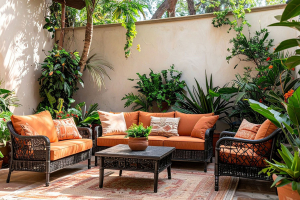
Small leafy courtyard with comfortable outdoor seating and tropical plants

A small courtyard can be every bit as inviting as a sprawling backyard when comfort, greenery and shade come together.

A sprawling backyard isn’t essential to coastal living.

What matters more is having one outdoor spot that actually makes you want to sit down.

In a dream home, that might be a vast covered deck overlooking a swimming pool and landscaped gardens. In real life, it could be a compact balcony, a townhouse courtyard or a shady corner beside the back door.

Size matters far less than comfort.

Somewhere pleasant to sit is the starting point. Then think about shade, a table for a drink, greenery, privacy and perhaps a little lighting so the space remains inviting after dark.

Wind matters too; something Queensland coastal dwellers know only too well. The prettiest outdoor setting in the world won’t get much use if you’re perpetually chasing cushions across the yard.

Steal this idea

Rather than spreading your outdoor budget thinly across an entire garden or courtyard, concentrate on the place you’re most likely to use.

Make one small area wonderful.

Give it the most comfortable chair. Add the plant you’ve been admiring. Find somewhere for the morning coffee or evening glass of wine.

A small outdoor space that’s used every day is worth far more than a large one that’s merely admired through the window.

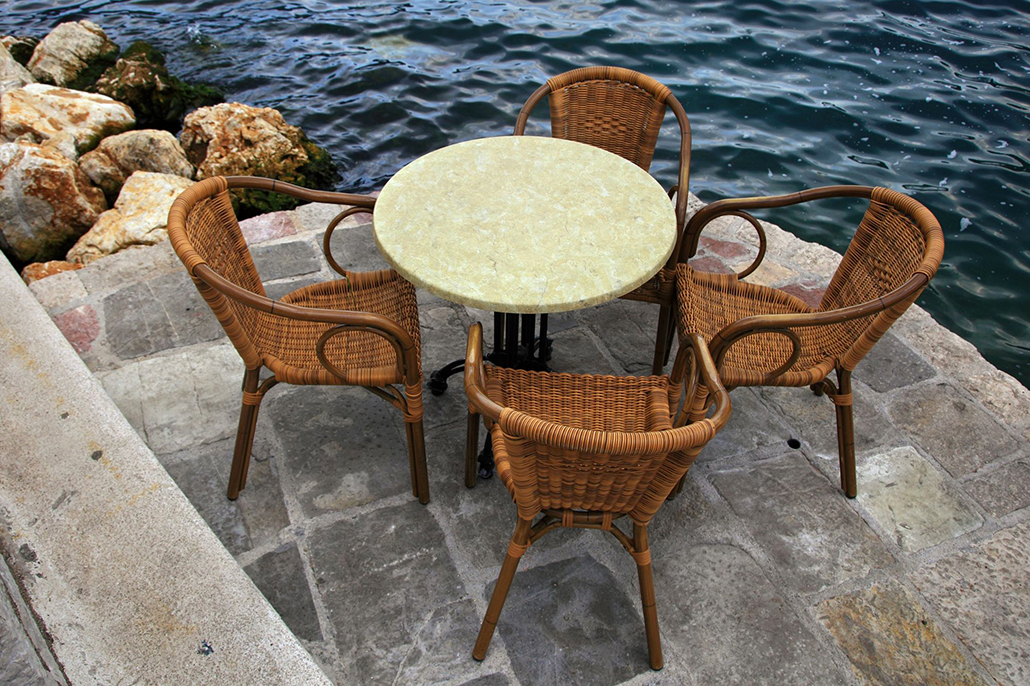
Woven outdoor chairs and stone table beside the water

Natural-looking materials such as woven fibres and stone bring texture and warmth to outdoor coastal spaces, but durability matters too.

6. Choose materials that can cope with real life

Coastal homes look relaxed partly because they don’t feel too precious to live in.

Natural-looking timber, stone, textured fabrics, woven materials and practical surfaces give rooms warmth without making them feel formal.

But Queensland adds another requirement. Things need to cope with Queensland.

There’s a difference between something that looks coastal in a showroom and something that will actually perform well in a Queensland coastal environment. Heat, humidity, strong sunlight and, closer to the water, salt air can all take their toll.

Outdoor furniture can corrode. Fabrics fade. Ventilation and passive cooling also become important considerations in Queensland’s warmer, humid conditions.

Beautiful finishes that require constant fussing can become considerably less beautiful once you’re the person doing the fussing.

That doesn’t mean everything has to be indestructible and beige. It simply means practicality deserves a seat at the decorating table.

Look for easy-clean fabrics, fade-resistant materials and surfaces that tolerate everyday wear. Think about ventilation and moisture. If something will live outside, check how its materials cope with sun, rain and salt-laden air rather than assuming “outdoor” means “Queensland-proof”.

Steal this idea

When you’re considering something new for your coastal home, ask yourself two questions.

Does it look good?

And then:

Will I still like it after a few Queensland summers?

The second question may save you considerably more money than the first.

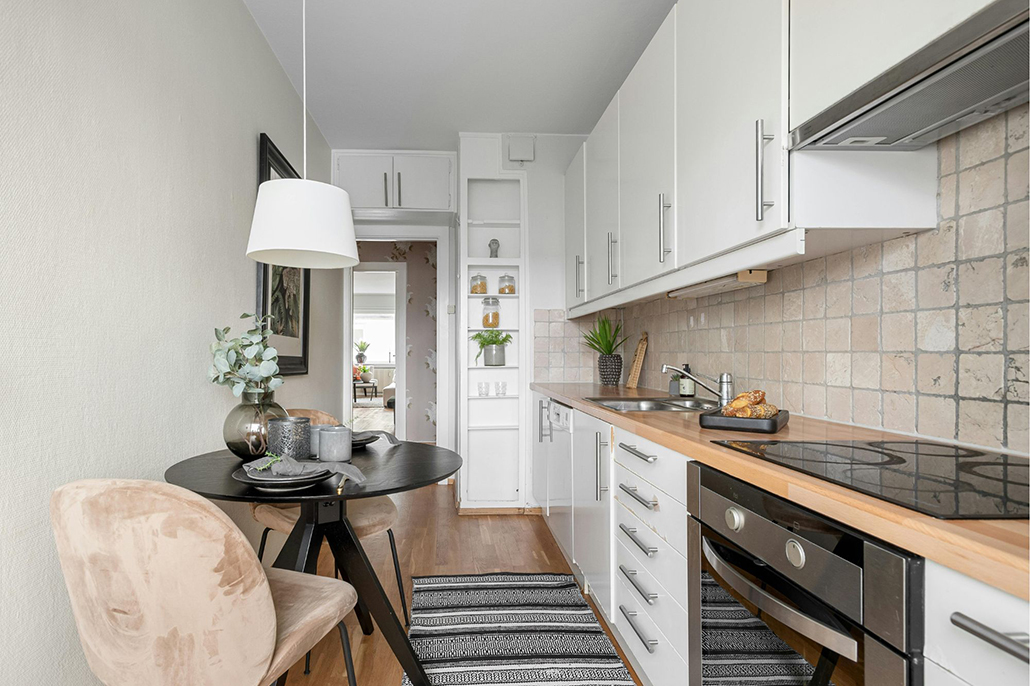
Compact kitchen with built-in storage and a small dining table

Good small-space design isn’t about squeezing in more; it’s about making every part of the home work harder for everyday life.

7. Design for the way you actually live

Perhaps the best lesson we can steal from beautiful homes isn’t about colour or furniture at all. It’s about ease.

The most appealing homes seem to anticipate everyday life. There’s somewhere to drop a bag, kick off shoes, store outdoor gear, pour a cold drink or sit with friends without worrying that everything has to remain immaculate.

That’s particularly important when you’re living in a smaller home.

Good storage, multipurpose spaces and thoughtful furniture placement can matter far more than additional square metres. A beautifully styled room that constantly gets in your way isn’t good design; however fabulous it looked in the photograph.

Think about the little annoyances in your own home. Is there nowhere sensible to leave shoes? Do you walk through the door carrying shopping and immediately wonder where to put it?

Are outdoor cushions constantly being hauled inside? Is the spot where you like your morning coffee inexplicably the least comfortable chair in the house?

These aren’t glamorous design problems. But solving them can change how a home feels every single day.

If space is limited, these nine ideas for creating a resort-style coastal apartment offer practical ways to improve the living room, bedroom, bathroom and balcony.

Steal this idea

Before buying another decorative object, identify one small irritation about the way your home works. Then fix that.

Add the hook. Move the chair. Find somewhere for the shoes. Create the coffee corner. Give the everyday clutter somewhere sensible to live.

Because a home shouldn’t merely photograph beautifully. It should make everyday life easier.

See also: Create a more relaxing space with these ideas for an at-home spa day.

You don’t have to own the dream home to borrow the dream

Perhaps that’s part of the pleasure of looking through beautiful homes. Most of us aren’t going to recreate them room for room and probably wouldn’t want to.

Instead, we notice something. The way sunlight falls across a pale timber floor. A garden framed perfectly by a window. Doors thrown open to a shaded terrace. A corner that looks made for morning coffee.

And we think: I could do something like that at home.

That’s the useful side of a little property dreaming. Take the idea. Adapt it to your space, your budget and the way you live.

Steal the look for less

You don’t need a designer budget to give your home a fresh coastal feel. Browse Harris Scarfe for homewares, bedding, cushions and everyday pieces that can help refresh a room without starting from scratch.

Shop Harris Scarfe Home

Start with the surfaces

From a bathroom refresh to an outdoor area, the right tiles can help create that relaxed coastal look while standing up to everyday life. Explore Lazy Tiles for inspiration for your next home project.

Explore Lazy Tiles

Or fancy the whole house instead?

Of course, there’s another way to get the coastal-home look. Take a peek at the latest Mater Prize Home and see what dream home is currently up for grabs.

View the Latest Mater Prize Home

  • Jocelyn Magazine may receive a commission if you make an eligible purchase through links on this page, at no additional cost to you.

Less Maintenance, More Ocean: The Rise of Coastal Apartment Living

There’s a shift happening along Australia’s coastline… and it’s not just the tide coming in!

From Hervey Bay to Hobart, more Australians are rethinking what “home” looks like. The big backyard is no longer the default aspiration. In its place: a balcony, a view, and a life that feels just a little lighter.

It’s not about downsizing in the traditional sense. It’s about recalibrating; choosing ease over excess, proximity over sprawl, and, increasingly, the coast over the city.

  • Jocelyn Magazine is filled with ideas for coastal living, travel, downsizing, healthy eating and creative pursuits. If we inspire your next purchase through links in this email, we may receive a small commission, at no extra cost to you.

Coastal lifestyle Australia morning coffee by the beach at sunrise

Morning rituals change when the ocean is part of your everyday. Photo: Canva Pro.

Why This Shift Is Happening Now

This isn’t just a feeling. It’s backed by broader movement patterns.

The Australian Bureau of Statistics has tracked a steady rise in apartment living across Australia over the past decade, while the Regional Australia Institute has highlighted continued migration away from capital cities toward regional lifestyle destinations.

Since Covid in particular, that movement has sharpened. Coastal centres like Hervey Bay are seeing an influx of buyers from metropolitan areas (Penrith being one example noted locally) driven by a desire to step away from congestion and toward something more liveable.

As Glen Winney from Fraser Coast Property Brief observes, this isn’t a short-term spike. It’s part of a longer arc.

Hervey Bay, he notes, sits within a “major lifestyle corridor”, effectively the next logical step north after the Sunshine Coast for buyers looking to stay within reach of Brisbane while gaining breathing room.

The result? A property market that remains strong, not because of speculation, but because of genuine lifestyle demand.

Hervey Bay coastline Fraser Coast Queensland aerial view

Hervey Bay sits within a growing coastal lifestyle corridor in Queensland. Photo: Canva Pro.

The Lifestyle Equation Has Changed

The traditional Australian dream—house, yard, weekends spent maintaining both—no longer fits everyone.

For many, particularly baby boomers, the shift is deliberate. After decades of upkeep, there’s a growing desire to simplify without sacrificing quality of life.

Apartment living by the coast offers that balance. Less time spent mowing or fixing, more time walking along the esplanade, meeting friends for dinner and drinks, or simply sitting with a view that changes with the light.

It’s a different rhythm. Slower, perhaps, but also richer in small, everyday ways.

And importantly, it aligns with how people are living now. Smaller households. Fewer occupants per dwelling. A preference for spaces that support living, rather than demand constant attention.

As Winney points out, many buyers are no longer looking for large homes on sprawling blocks in areas where “you have to drive everywhere.” Instead, they want to be within walking distance (less than 500 metres, ideally) of cafés, shops, and the water.

But lifestyle is only one part of the story. There’s also a practical layer that’s shaping these decisions.

Hervey Bay esplanade apartment living cafes coastal Queensland.

Walkable living is part of the appeal. Photo: Jocelyn Watts.


Make the Move Feel Easy

If coastal apartment living is about simplifying life, it helps to have the right essentials in place, especially if you’re travelling between homes or planning longer stays before making a permanent move.

Lightweight luggage, smart packing systems and a “ready to go” approach can make the transition feel effortless.

👉 Explore practical travel essentials from Bagsmart


Affordability, Downsizing and Smarter Use of Space

In many coastal markets, freestanding homes are increasingly out of reach, especially for buyers arriving from capital cities.

Apartments, duplexes and townhouses offer a more accessible entry point, but they also reflect a broader rethink about how much space is needed.

Downsizing, in this context, isn’t about compromise. It’s about intention.

Well-designed apartments maximise light, airflow, and functionality. They prioritise connection to outdoor spaces—balconies, shared gardens, nearby walking tracks—over sheer internal square metreage.

There’s also a financial logic underpinning the shift. Selling a larger home can release equity, reduce ongoing costs, and create flexibility, whether that’s for travel, supporting family, or simply easing financial pressure.

Even at a market level, there are interesting signals. Winney notes that while banks are attempting to slow lending, the Fraser Coast market remains relatively insulated. The demand isn’t being driven by investors chasing short-term gains, but by people making long-term lifestyle decisions.

And yet, beyond lifestyle and finances, there’s another factor shaping this trend… how people want to feel where they live.

Downsizing apartment living Australia modern small space interior

Smaller spaces, thoughtfully designed. Photo: Canva Pro.


Small Space, Thoughtfully Done

Downsizing doesn’t mean doing without. It’s about choosing pieces that work harder and feel better in your space.

From compact cookware to simple styling touches, the right choices can make a smaller apartment feel both functional and inviting.

👉 Browse everyday kitchen and home essentials from Tefal and Mica Lighting


Community, Convenience and a Sense of Belonging

There’s a perception that apartment living is less personal. The opposite can often be true, particularly in coastal settings.

Proximity creates opportunity. A quick conversation in the lift. A familiar face on the morning walk. A shared appreciation of the same stretch of ocean.

In places like Hervey Bay, the esplanade becomes more than a scenic route; it’s a kind of social spine. Cafés, markets, walking paths and beachfront spaces weave together into everyday life.

For retirees, especially those living alone or as couples, this can be transformative. There’s a sense of being part of something without needing to actively seek it out.

At the same time, there’s a growing recognition that coastal apartment living needs to cater to more than one demographic.

As Winney highlights, attracting younger residents is both an opportunity and a challenge. That means creating housing options near the esplanade and town centres; places where people can walk to restaurants, gyms, bars and weekend activities.

Not just somewhere to live, but somewhere to be.

Oaks Hervey Bay apartment accommodation Fraser Coast

Short stays often become something more permanent. Photo: Jocelyn Watts.

What This Means for Coastal Communities

The shift toward apartment living isn’t happening in isolation. It’s part of a broader transformation in how coastal regions evolve.

On the Fraser Coast, there are clear signs of growth: industrial development is expanding, localised business hubs are emerging, and retail activity is strengthening; often indicators of a maturing regional economy.

The airport, too, is playing its role, with direct flights from Melbourne and Sydney making the region more accessible than ever.

And yet, as Winney points out, infrastructure is struggling to keep pace.

There’s also a pressing need to attract more professionals in essential sectors, particularly healthcare. Lifestyle alone isn’t enough; communities need the services to support them.

In that sense, the move toward coastal apartment living is both a response to change, and a driver of it.

Hervey Bay whale watching Fraser Coast lifestyle experience

In places like Hervey Bay, lifestyle includes what’s offshore. Photo: Jocelyn Watts.

A Different Kind of Home

Coastal apartment living isn’t about giving something up. It’s about choosing something different.

A home that doesn’t anchor you quite so tightly. A lifestyle that allows for movement, connection, and ease. A sense that life can be simpler and fuller at the same time.

For some, it’s a retirement decision. For others, a midlife reset. And for a growing number, it’s simply a more considered way of living.

The tide, it seems, is turning, not just toward the coast, but toward a different idea of what home can be.

Coastal lifestyle Australia sunrise Hervey Bay beach

A different pace. A different perspective. Photo: Jocelyn Watts.


Thinking of buying into a body corporate?

Before you commit, it’s worth taking a closer look at how a complex is really operating behind the scenes.

👉 Download the Body Corporate Health Check — a practical checklist to help you spot issues early and avoid costly surprises.


About the author

With several years’ experience as a body corporate secretary, Jocelyn brings a practical, real-world perspective to buying and living in townhouse and apartment complexes.


✨ Create a Space That Works for You

Townhouse and apartment living often comes down to making your space both practical and comfortable. A few thoughtful additions can make a real difference to how a home feels day to day.

If you’re settling into a smaller space or simply refining your surroundings, these partners offer a range of ideas worth exploring:

→ Mica Lighting
Beautiful lighting can help smaller rooms feel warmer, brighter and more inviting.

→ Newentor AU
From mattress toppers to dehumidifiers and portable air conditioners, practical comfort for everyday living.

→ Tefal Australia
Well-designed cookware and appliances can make compact kitchens easier and more enjoyable to use.

→ Kakadu Plum Co.
Natural Australian flavours and pantry staples to add something special to everyday meals.

→ Lazy Tiles
Stylish peel-and-stick tiles designed to refresh kitchens, bathrooms and small spaces without the renovation drama.

  • Jocelyn Magazine is filled with ideas for coastal living, travel, downsizing, healthy eating and creative pursuits. If we inspire your next purchase through links in this email, we may receive a small commission, at no extra cost to you.
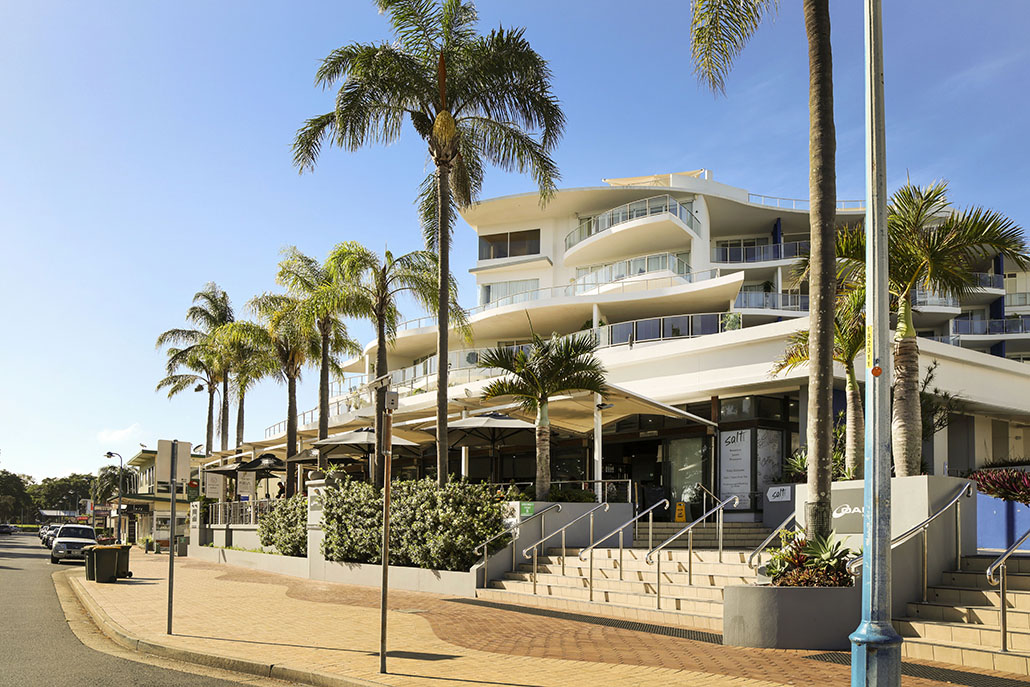
 

How I Turned a Dinner Set into a Wall Feature

I WAS looking for inspiration for my travel-inspired home retreat when I stumbled across a stunning set of Ipanema Casa Domani dinnerware in Hervey Bay, Queensland. Vibrant tropical colours, circular patterns; it was love at first sight. The strange thing was, I’d never been to Brazil, but something about the design transported me to a sun-drenched beach, toes in the sand, surrounded by the energy of Rio de Janeiro. That dinner set was calling my name.

The challenge was that I didn’t need new dinnerware. But I live near the sea and these colours were too good to pass up. I bought the set, but instead of using it on the table, I got creative. I found IKEA presentation boxes, and suddenly, I had a tropical-inspired wall feature right in my living room. Every time I look at it, I feel the excitement of the unknown; a piece of the world right at home.

That experience taught me that you don’t need to visit a place to be inspired by it, but it helps! If you’ve visited somewhere that truly moves you, why not turn your living space into a place that both relaxes you and keeps you connected to the thrill of exploring the world? Here’s how you can do it too.

This article contains affiliate links. If you make a purchase through one of these links, Jocelyn Magazine may earn a small commission at no extra cost to you.
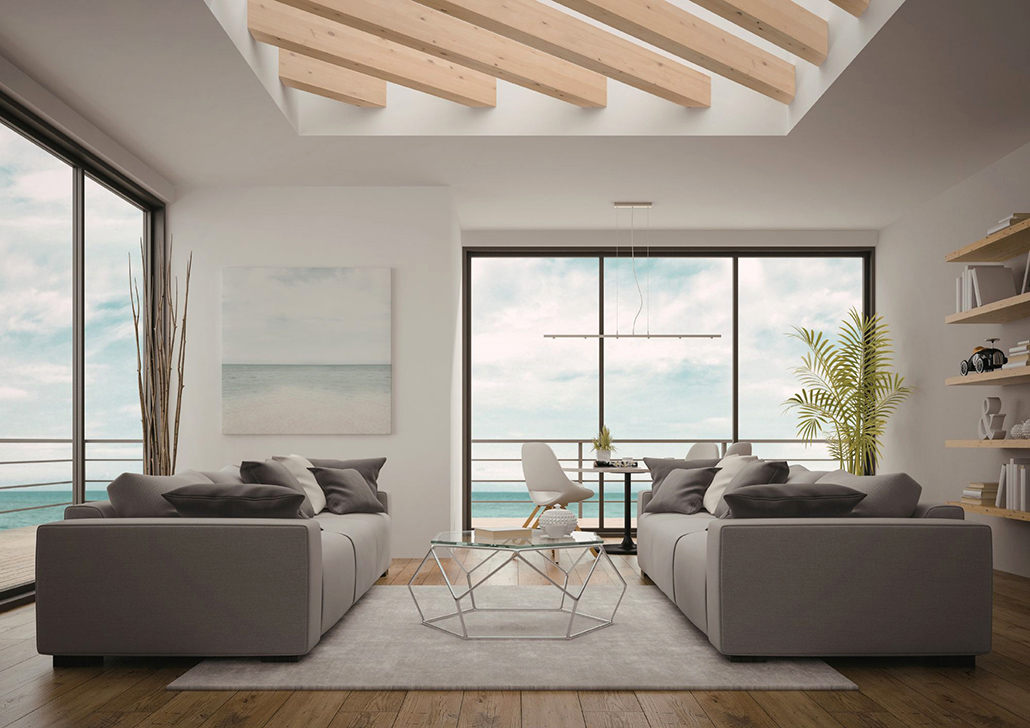
Travel-inspired home decor with IKEA boxes.

I turned my vibrant dinner set into a tropical-inspired wall feature using IKEA presentation boxes.

1. Start with the Heart: Identify Key Moments from Your Travels

When it comes to personalising your home with travel memories, the first step is to reflect on the moments that have left a lasting impression. Think about a place you visited that made you feel alive—perhaps it was the peaceful calm of a Balinese retreat or the buzz of a European city at night.

Pay attention to the details of that experience: the colours, textures, and moods that stand out. Jot down notes or even pull up old photos that capture the essence of the trip. These are the elements you’ll want to bring into your home to create a truly personal retreat.

2. Frame Your World: Use Travel-Inspired Artwork

Artwork is one of the most powerful ways to incorporate your travel memories into your space. Start with photographs—whether they’re your snaps or prints from local artists you met along the way. Framing these photos and arranging them as a gallery wall can turn any room into a visual story of your travels.

If photography isn’t your thing, you could look for pieces that remind you of specific places. For example, a vibrant canvas with splashes of colour could bring to mind the hustle and bustle of a Moroccan market. Art doesn’t have to be literal; it just needs to evoke the feeling you want to relive every time you walk through the door.


Turn your travel memories into part of the decor

Favourite photographs, postcards and small keepsakes don’t have to stay tucked away in drawers. Frames, display boxes and photo albums can turn those memories into personal pieces for your home, without taking up precious floor space.

Browse frames, display ideas and travel keepsakes on Amazon Australia


3. Furnish with Flair: Select Furniture or Textiles That Tell a Story

Your furniture and textiles are a great way to subtly weave in travel vibes without being too obvious. Think back to the textures and materials that define the places you’ve visited. Did you lounge on a beach chair in Greece with a soft linen throw? Or maybe you fell in love with the intricate patterns of Moroccan rugs.

Bring those elements home. Mix and match different materials, shether it’s a woven chair that reminds you of a tropical holiday or silk cushions inspired by your time in Asia. The goal is to create a space that’s not only comfortable but also full of stories.

4. Bring the Outdoors Inside your Home Retreat

If you’re drawn to natural landscapes, why not bring a bit of that beauty into your home? Plants are the perfect way to recreate the peaceful feeling of being surrounded by nature. Tropical plants like ferns or palms can remind you of a beach getaway, while a simple vase of lavender can transport you back to a French countryside holiday.

If plants aren’t your thing, you can still bring the outdoors in with natural materials like driftwood or seashells you’ve collected. Display them in a stylish jar or use them to create a centrepiece that captures the essence of nature. Just remember that many countries have strict regulations about bringing home plants or natural souvenirs, so be sure to check the rules before packing them in your luggage.

5. Souvenirs with Purpose: Incorporate Your Souvenirs Creatively

We all love to bring back souvenirs from our travels, but the key is finding a way to display them that adds personality without cluttering your space. Rather than cramming your shelves with trinkets, think about how you can give these items a functional role in your home.

A ceramic dish you bought from a local market might work as a decorative bowl on your coffee table. Or perhaps the intricate mask you picked up in Venice could become a centrepiece in your dining room. The idea is to let these items tell a story while serving a purpose in your everyday life.

6. Craft Your Travel Memory Nook

Imagine having a cosy nook where you can escape to relive your favourite travel memories. It’s easier than you think! Set aside a corner of your living room, bedroom, or even home office where you can gather your most cherished travel souvenirs, photos, and books.

Think of this space as a mini-museum of your adventures. Add a comfy chair, a small bookshelf, and a few photo albums, and you’ve got a special spot to reminisce and daydream about your next trip. It’s the perfect way to infuse your home with the spirit of adventure.

7. Scent is Key: Infuse Your Home with Travel-Inspired Scents

Scent has a powerful way of evoking memories, so why not use it to your advantage? Think about the smells that take you back to specific places. Did the air in Tuscany carry hints of lavender? Maybe your favourite café in Paris was filled with the smell of roasted coffee.

You can recreate these memories with scented candles, essential oils, or even incense. Match your scent to the mood you want to evoke, whether it’s the refreshing smell of eucalyptus from an Australian bushwalk or the warm spices of a Moroccan market. Layering different scents depending on the season or room can create a dynamic and immersive experience.

Your Home, Your Personal Haven of Memories

Personalising your home with your travel memories can transform it into more than just a living space. It becomes your personal retreat, full of meaning and inspiration. By surrounding yourself with art, furniture, souvenirs, and scents that remind you of your travels, you’ll create a sanctuary that’s uniquely yours.

So, whether it’s creating a gallery wall of photos from your favourite cities or using the textures and colours of far-off places to inspire your décor, don’t be afraid to get creative. Start small, take it step by step, and before you know it, you’ll have a home that not only relaxes you but also keeps you connected to the joy of exploring the world.

Ready to transform your space? Begin by choosing one memory from a special trip and see where it takes you. Whether it’s art, furniture, or scents, infusing your home with travel vibes is easier than you think. Share your journey with us in the comments below.


Add a little atmosphere

A favourite chair, a few books and memories from your travels can create a retreat within even the smallest home. Add a well-placed lamp and you’ve also created somewhere inviting to curl up at the end of the day.

Find lighting for your favourite corner at Mica Lighting

Bring the scent of Australia home

Scent can be one of the most evocative ways to create a sense of place. Australian-inspired candles, diffusers and home fragrances can bring notes of the bush, coast and native botanicals into your everyday surroundings.

Explore home fragrance at Kakadu Plum Co


This article contains affiliate links. If you make a purchase through one of these links, Jocelyn Magazine may earn a small commission at no extra cost to you.