Dream Homes with Purpose | Mater Lotteries Prize Homes
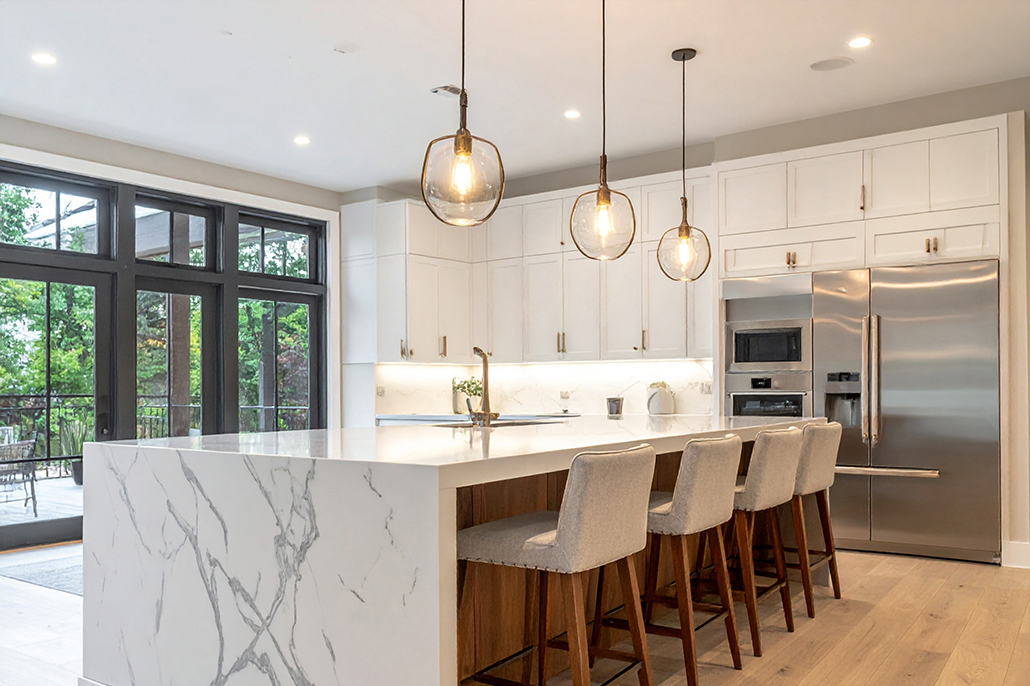
THE front door opens onto pale timber floors, high ceilings and the sort of kitchen most of us bookmark on Pinterest. Stone benchtops. A butler’s pantry. Sliding glass doors folding back to a deck positioned for late-afternoon light.
Australia’s charity prize homes are deliberately aspirational. Coastal where possible. Contemporary without feeling cold. Designed for entertaining, relaxing and — importantly — imagining yourself there.
Among the most recognised are those offered through Mater Lotteries, where multimillion-dollar homes are raffled alongside luxury cars and cash packages. At first glance, they resemble any premium property campaign: professional styling, drone shots over pools, carefully composed lifestyle photography.
But unlike commercial developments, these homes fund something far less photogenic — and far more essential.
Proceeds support healthcare services, hospital upgrades and medical research, including maternity, neonatal and cancer care. Behind the polished floorboards and landscaped courtyards sits a direct financial pipeline into patient care.
It’s a model that blends aspiration with impact. Participants buy a ticket not only for the chance to win a beautifully designed home, but to contribute to a broader public good.
There’s something distinctly Australian about that. We enjoy a flutter, but we also appreciate purpose. Charity house lotteries sit neatly between lifestyle fantasy and practical contribution, allowing people to indulge in a little “what if” while supporting services most of us will rely on at some point — directly or indirectly.
*This article includes an affiliate link to Mater Lotteries. If you purchase tickets, Jocelyn Magazine may receive a small commission, at no extra cost to you. That support helps keep this publication independent and free to read.
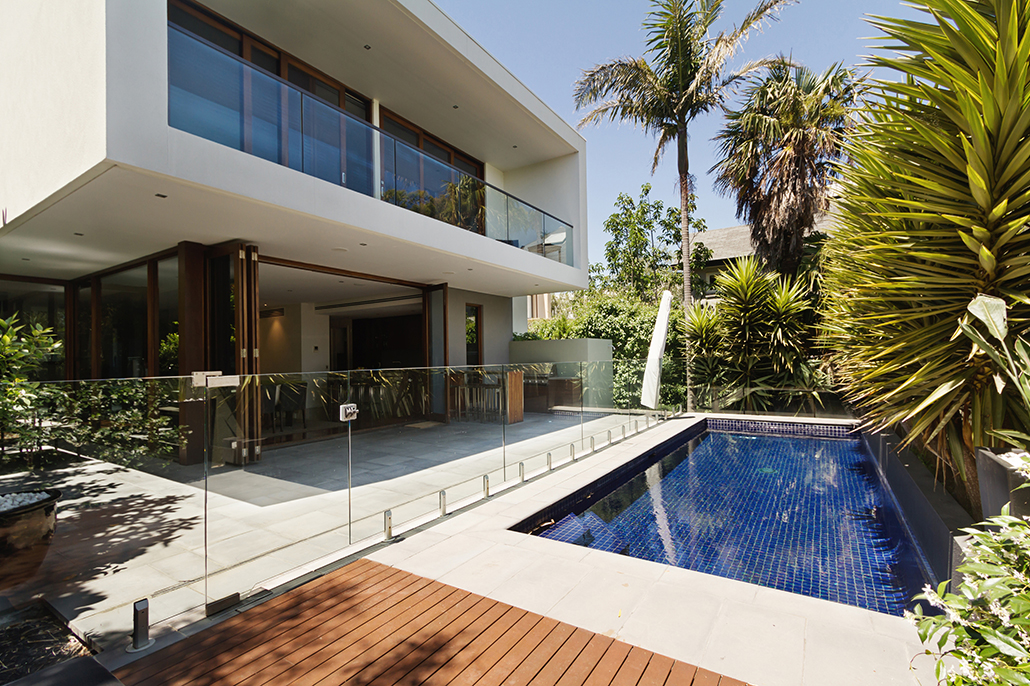
A contemporary Queensland home of similar design to those featured in the Mater Lotteries program, blending modern design with everyday liveability.
Where Design Meets Everyday Living
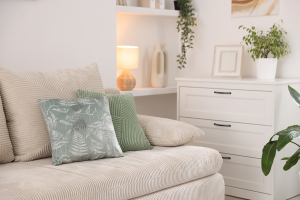
Soft neutrals and layered textures create the inviting atmosphere many buyers imagine when browsing a Mater Lotteries draw.
Spend a little time browsing Australian charity prize homes and certain themes emerge. They’re less about excess and more about ease. Flowing spaces. Light-filled rooms. Kitchens designed as gathering places rather than afterthoughts.
Even when not directly on the coast, there’s often a coastal influence: pale oak flooring, soft white walls, linen textures, brushed brass accents. Indoor–outdoor living remains central — stacking doors opening to covered alfresco areas, pools positioned to catch the sun, gardens designed to be beautiful without being high maintenance.
There’s also a growing emphasis on subtle sustainability. Solar panels are increasingly standard. Cross-ventilation is prioritised. Energy-efficient appliances and glazing are highlighted in promotional material. The homes feel modern, but not extravagant for the sake of it.
From a design perspective, they reflect broader architectural trends shaping Queensland and beyond. The emphasis is on liveability — how a space supports everyday routines, weekend lunches with friends, early mornings with coffee, and the occasional celebratory dinner.
Unlike grand mansions that feel distant from ordinary life, charity prize homes remain relatable. Large, certainly. Well appointed. But recognisably domestic.
And that relatability matters. When we picture ourselves in a space, we aren’t responding only to finishes and floor plans. We’re responding to what it represents: stability, comfort, breathing room. The freedom to host without worrying about the mortgage.
Home, at its core, is about security.
Healthcare is too.
The aesthetics may differ, but both exist to support wellbeing. A prize home might begin as a daydream. The funds it generates are grounded in something much more practical — hospital wards, specialist equipment, clinical research.
How the Mater Lotteries Prize Homes Model Works
Charity house lotteries follow a straightforward structure. A not-for-profit organisation secures or builds a high-value property — often in partnership with developers and sponsors — and offers it as the major prize in a ticketed draw.
Participants purchase tickets at set price points, typically with options for single entries or bundled packages. Additional prizes such as vehicles, holidays or cash may accompany the headline home.
After operational costs and prize expenses are covered, proceeds are directed towards nominated healthcare services, infrastructure upgrades or research programs. In the case of Mater Lotteries, funds support maternity, neonatal, cancer and specialist care.
Reputable charity lotteries outline where funds are allocated, helping create a clearer connection between participation and impact.
Unlike commercial lotteries, where revenue primarily sustains shareholders, charity lotteries embed philanthropy within the model itself. The prize draws attention. The purpose sustains it.
Good Causes
A prize home may belong to one winner, but the impact reaches far beyond the front door.
Proceeds from Mater Lotteries prize homes support maternity, neonatal and cancer care programs, along with vital medical research. In that sense, each ticket represents more than possibility — it becomes part of a shared contribution to Australia’s healthcare system.
Design may draw us in. Care is what endures.
As with any lottery, participation should always be responsible and within your means.
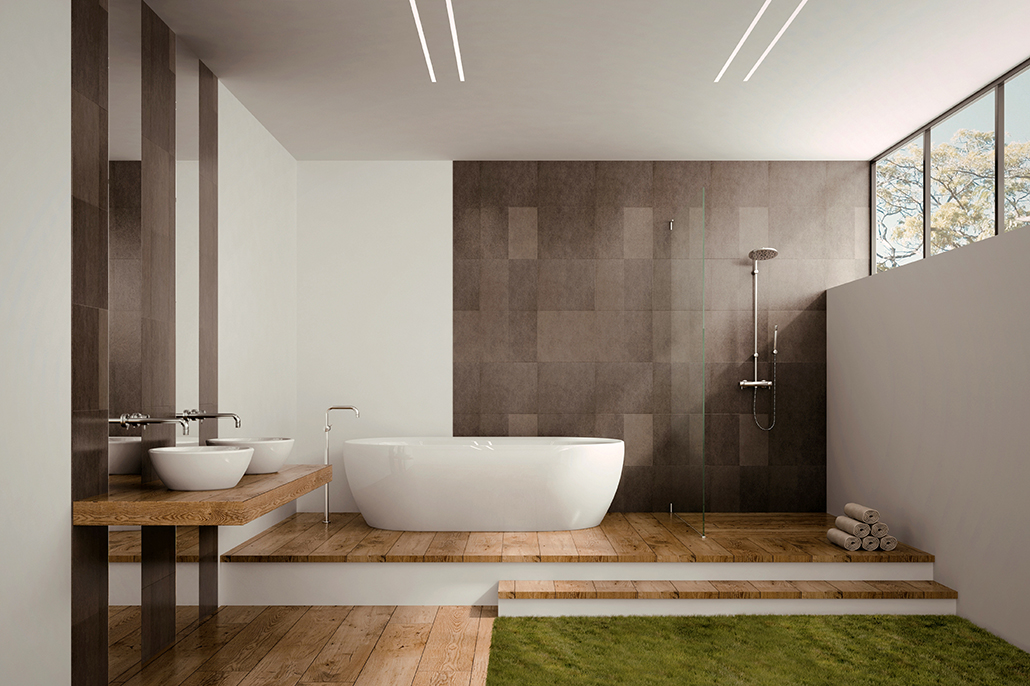
Light-filled bathroom styling reflects the relaxed, contemporary feel common in Mater Lotteries homes.
Why Prize Homes Resonate with Australian buyers
Most ticket buyers understand the odds. The likelihood of holding the keys to a multimillion-dollar home is slim.
That’s not really the point.
The appeal lies in layered possibility — the private daydream of life in a light-filled kitchen overlooking water, paired with the knowledge that, win or lose, the purchase contributes to something tangible.
For couples, there’s a certain pleasure in browsing the photos together. “Imagine that deck.” “We’d never leave that kitchen.” It’s a shared conversation, even if it never moves beyond the screen.
Charity house lotteries occupy a nuanced space between aspiration and contribution. They offer anticipation without requiring a traditional donation mindset. There is excitement, certainly, but also shared purpose.
When the idea of home intersects with the need for healthcare, the result becomes more complex than simple prize promotion. It becomes a small, voluntary way to support services that underpin every community.
For readers who enjoy exploring beautiful homes and understanding the stories behind them, you can view the current prize properties and learn more about how the program operates via Mater Lotteries.
As always, it’s worth reading the details carefully and deciding whether participation aligns with your values and circumstances.
The architecture may be striking, but the real structure is the network of care it helps sustain.
Frequently Asked Questions About Mater Lotteries Prize Homes
What are Mater Lotteries prize homes?
High-value properties offered through ticketed charity draws. Proceeds support hospital services, medical research and healthcare programs, including maternity, neonatal and cancer care.
How does a charity house lottery in Australia work?
Participants purchase tickets for the chance to win a featured property and other prizes. After costs are covered, remaining funds are directed to nominated healthcare services or research programs.
Are charity prize homes different from commercial lotteries?
Yes. While both involve ticket purchases and prize draws, charity lotteries embed a philanthropic objective within their structure. Revenue contributes to healthcare funding rather than shareholder profit.
Can you view current Mater Lotteries prize homes before entering?
Yes. Current prize homes are showcased online with photography, floor plans and inclusions so potential participants can review the property and draw terms before purchasing tickets.
Curious About the Current Mater Prize Home?
If you’d like to see the latest Mater Lotteries prize homes — and how this charity house lottery supports maternity, neonatal and cancer care — you can explore the current draw details below.
→ View the current Mater Lotteries prize home
(Affiliate link — supporting Jocelyn Magazine at no extra cost to you.)
About the author
With around five years’ experience as a body corporate secretary, Jocelyn brings a practical, real-world perspective to buying and living in townhouse and apartment complexes.